Portable Drone Detection for Protective Security Teams
Discover how portable passive RF drone detection supports protective security teams during dignitary protection, executive security, motorcades, and temporary deployments.
Overview
Protective security teams operate in environments where awareness of potential threats is essential, from public appearances and diplomatic visits to motorcades and private residences. Small unmanned aircraft systems (UAS) add another dimension to this responsibility. They can approach protected locations, monitor movements, record sensitive activities, or enter restricted airspace with limited warning.
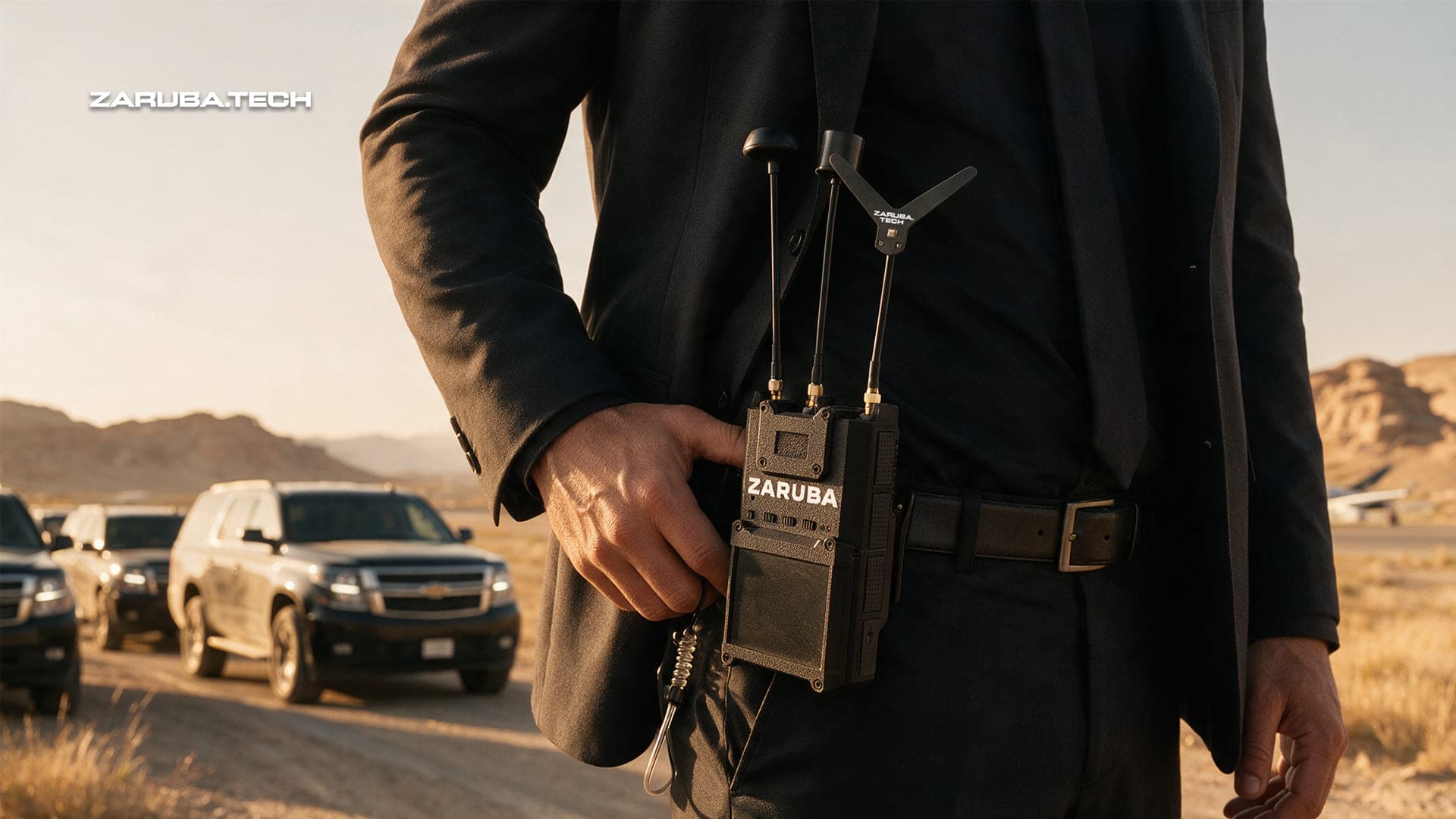
Portable drone detection provides an additional layer of situational awareness, helping security personnel identify detectable drone-related RF activity and assess potential aerial threats. It supports mobile teams operating across changing locations without requiring a fixed detection infrastructure.
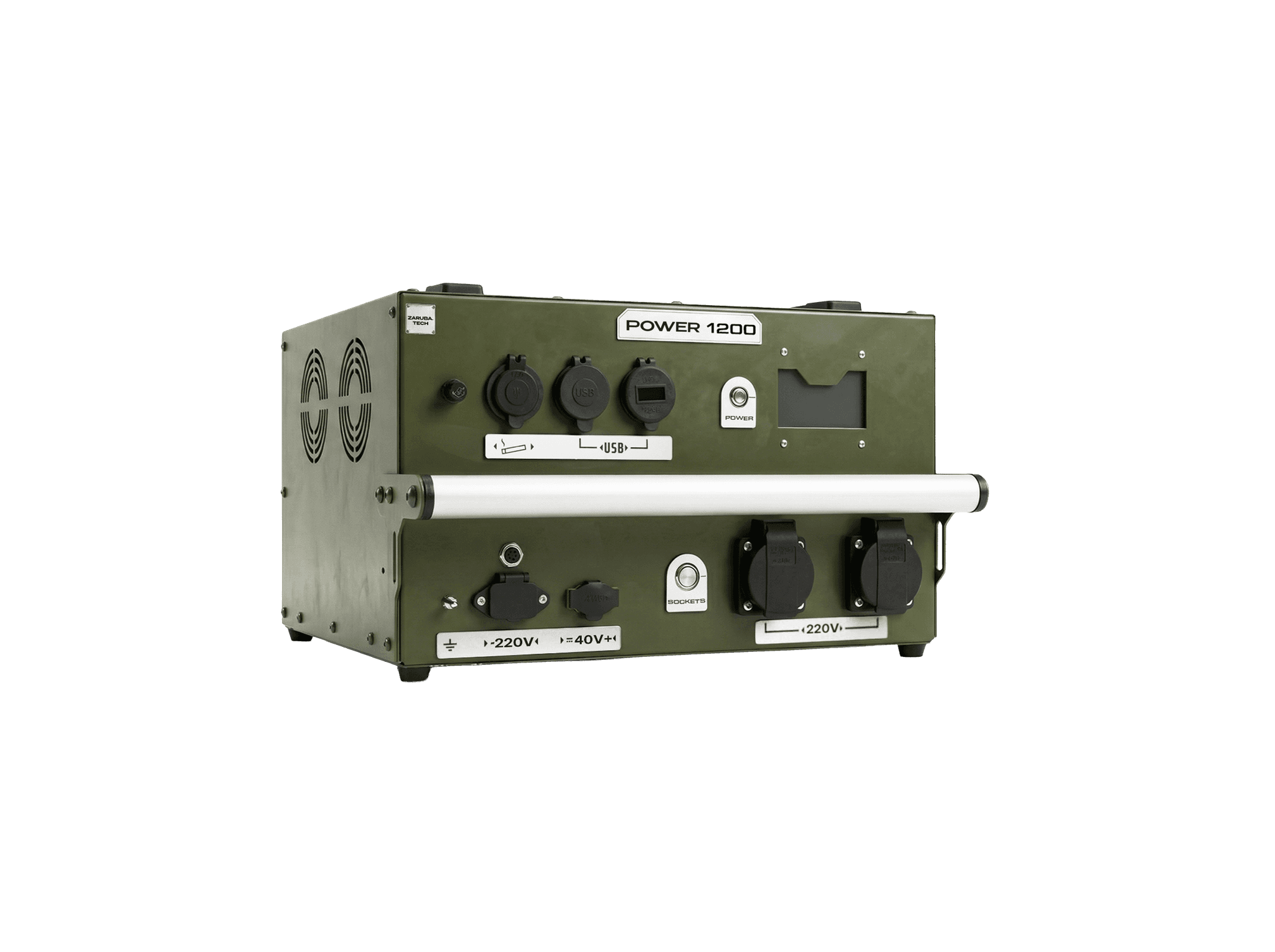
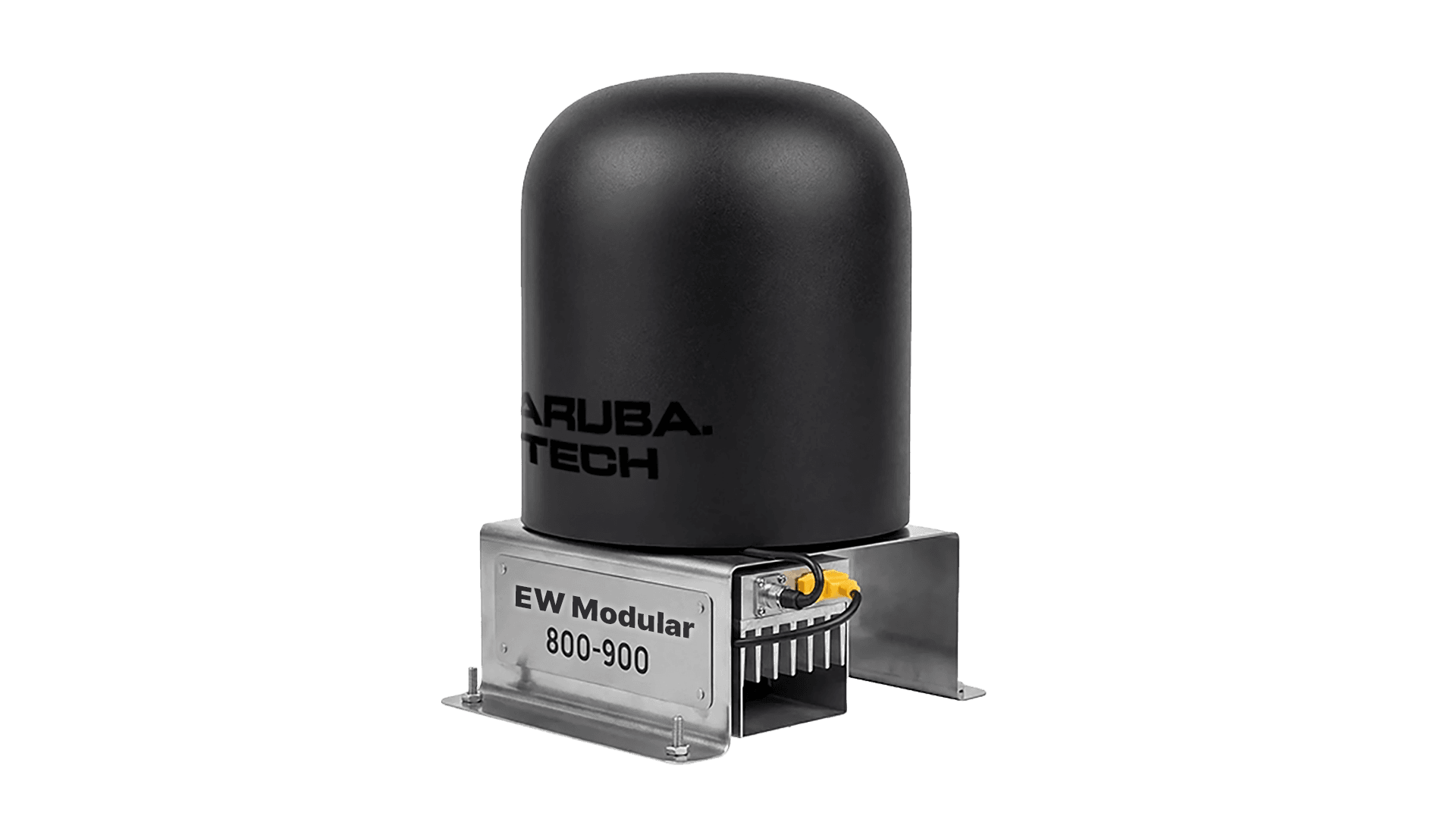
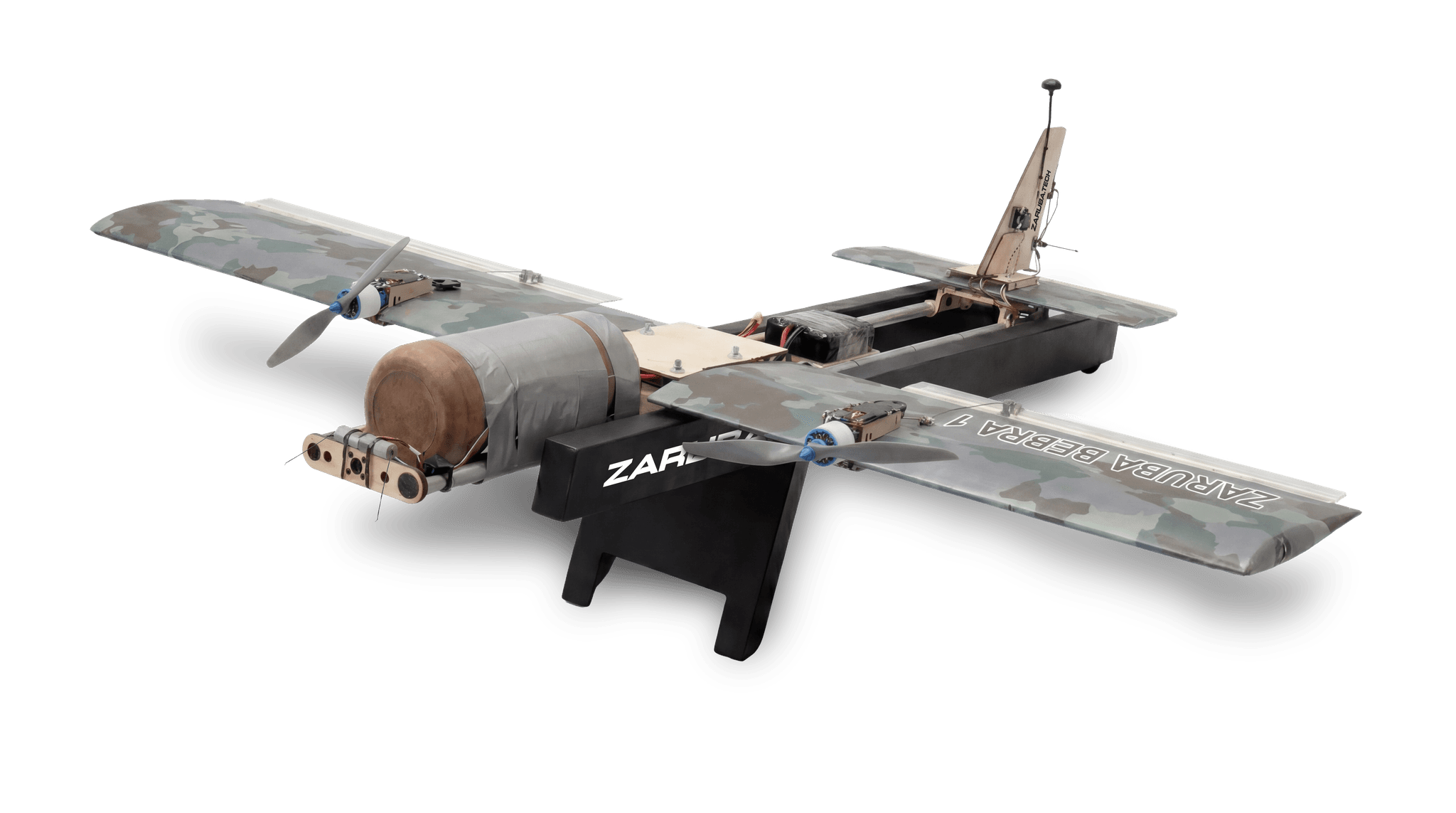
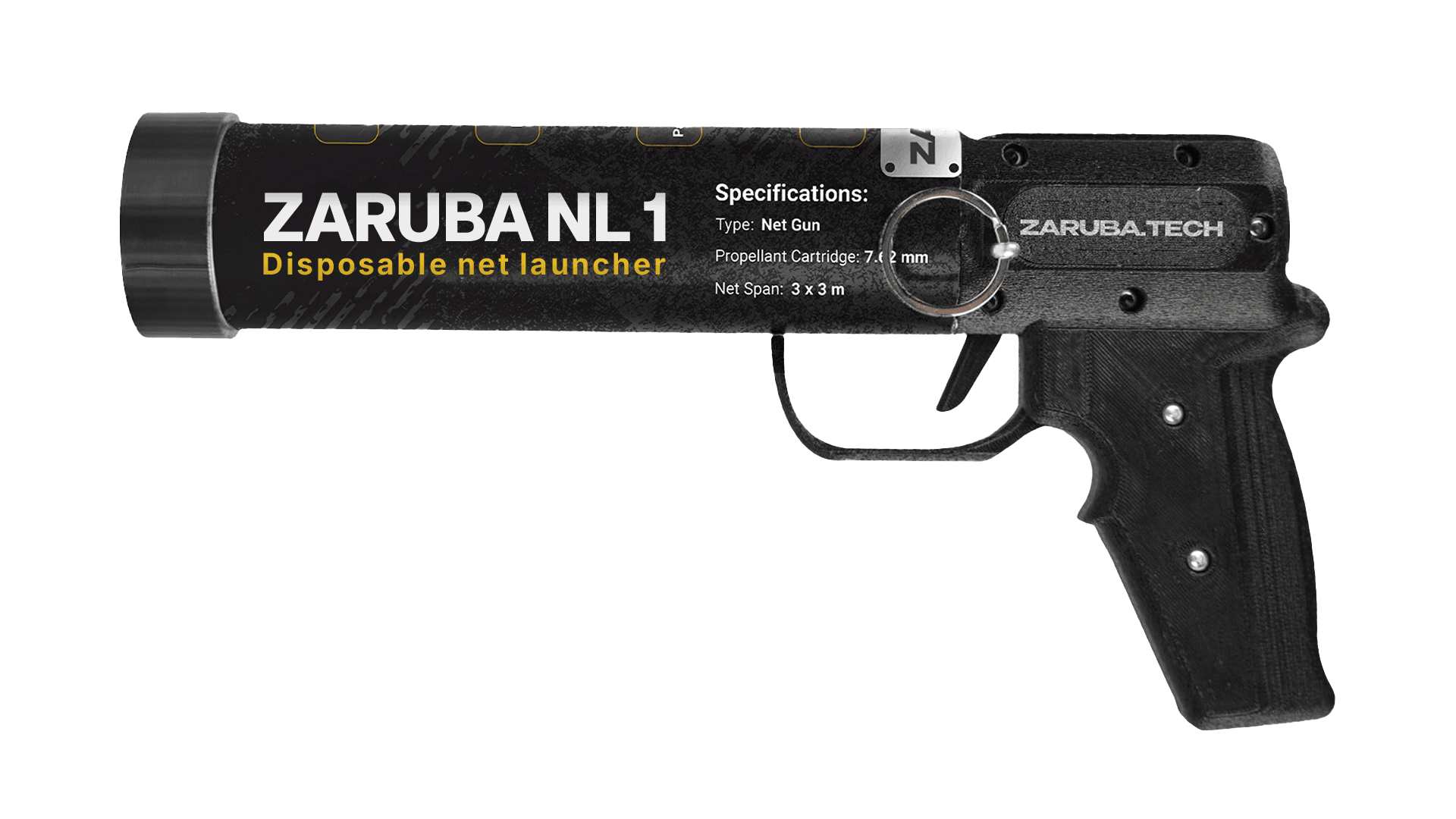
Other products by Zaruba Tech
Drone Risks in Protective Security
The growing accessibility of commercial and modified drones creates new challenges for close protection and protective security operations. Small UAS platforms can be difficult to observe visually, particularly in crowded urban environments, near buildings, or during large public gatherings.
For protective security teams, potential drone-related risks include:
- Unauthorized surveillance: Drones equipped with cameras can observe protected individuals, security arrangements, access points, and movement patterns.
- Privacy breaches: Unauthorized aerial recording can expose private residences, restricted facilities, and sensitive activities.
- Disruption of security operations: Unexpected drone activity near a motorcade, diplomatic facility, or public appearance can require immediate assessment and operational adjustments.
- Unidentified aerial activity: Security personnel may have limited information about an aircraft's presence, communication activity, or potential operator.
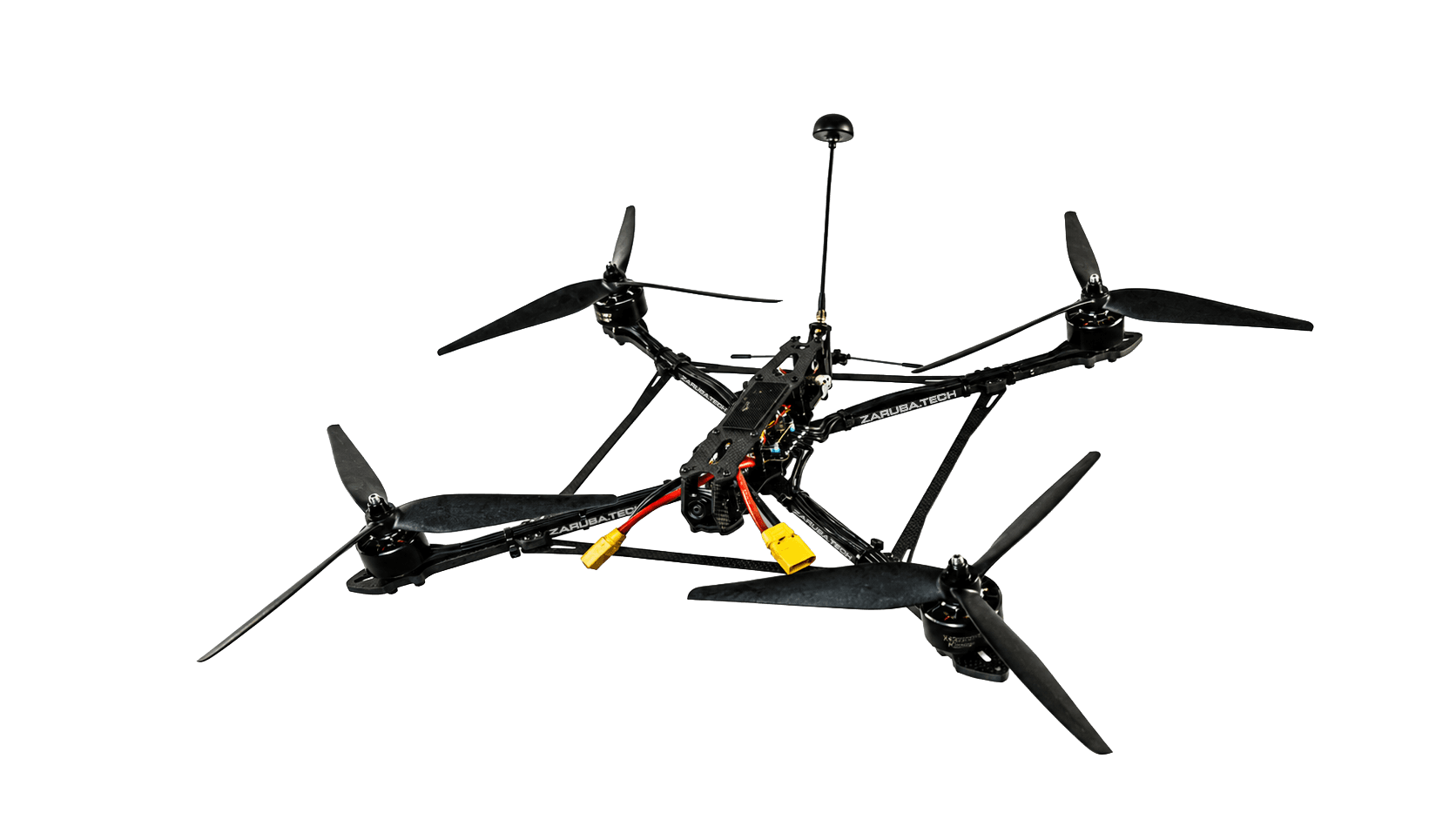
- Restricted-area violations: FPV Drones can enter designated security perimeters or temporary no-fly zones without authorization.
These scenarios require timely awareness and coordination. Detecting a drone-related signal does not automatically establish intent, but it can provide an important indication that further assessment may be necessary.
Protective Security Use Cases
Portable drone detection can support different protective security assignments where personnel need awareness of nearby drone activity without relying exclusively on fixed monitoring systems.
- Dignitary protection: Monitor detectable drone-related RF activity around protected individuals during public appearances, official visits, and movements between locations.
- Executive protection: Add an aerial-awareness layer to security arrangements for corporate leaders, high-profile executives, and other protected persons.
- Diplomatic security: Support security teams responsible for diplomatic personnel, official delegations, embassies, and sensitive meetings.
- Motorcades: Provide mobile RF monitoring during route preparation, vehicle movements, and temporary stops.
- Residences: Help security personnel assess detectable drone activity around private properties and protected residential locations.
- Temporary venues: Support security operations at locations used for short-term meetings, private functions, and official gatherings.
- High-profile events: Supplement existing security arrangements during conferences, ceremonies, public appearances, and other events involving protected individuals.
In each scenario, portable detection provides an additional source of information for security personnel. Its findings can be considered alongside visual observations, intelligence, access-control procedures, and established security protocols.
Why Portable Drone Detection Matters
Protective security operations are rarely limited to one location. Teams may move between residences, hotels, conference facilities, transport hubs, public venues, and temporary operational sites. A fixed drone detection installation cannot always provide coverage across all these environments.
Portable equipment addresses this operational requirement by allowing personnel to carry detection capabilities between locations and establish monitoring where needed.
Its main advantages include:
- Operational mobility: Equipment can accompany security personnel across different assignments and deployment locations.
- Flexible positioning: Teams can monitor relevant areas without installing permanent infrastructure.
- Additional situational awareness: RF monitoring can reveal detectable drone-related activity that may not be immediately visible.
- Passive operation: Receive-only detection avoids transmitting RF signals or interfering with nearby communications.
- Rapid deployment: Self-contained equipment reduces dependence on complex installation procedures and external infrastructure.
Portable detection does not eliminate the need for broader security planning. Instead, it gives teams another information source to support decisions in environments where aerial activity may affect the security picture.
Role of Passive RF Detection
Radio frequency (RF) detection is one of the technologies used to identify drone-related activity. Many remotely operated drones communicate with their controllers through wireless links, generating RF signals that can be detected and analyzed by compatible monitoring equipment.
Passive RF detection receives and processes these signals without transmitting its own RF energy. This makes it suitable for protective security environments where maintaining radio silence and avoiding interference with existing communications are important considerations.
Depending on the system's capabilities and the signals present, passive RF monitoring can help operators:
- Identify detectable RF activity associated with supported drone communication bands.
- Recognize signal patterns associated with certain drone communication systems.
- Observe changes in the RF environment during an assignment.
- Support further assessment of potential drone-related activity.
However, detection depends on several factors, including the drone's communication technology, operating frequency, signal strength, distance, antenna configuration, and surrounding RF environment.
Autonomous aircraft, drones operating outside supported frequency bands, and systems with limited or no detectable RF emissions may not be identified through passive RF monitoring.
Mobile and Temporary Deployment
Protective security teams often need equipment that can move with personnel rather than remain installed at a designated site. This is particularly relevant for assignments involving changing routes, temporary security perimeters, and multiple operational locations.
Portable RF detection can be incorporated into several deployment scenarios:
Advance security preparations
Personnel can use portable detection equipment during preliminary site assessments to observe the RF environment and identify detectable drone-related activity before the protected individual arrives.
Mobile security operations
Compact, self-contained equipment can accompany teams moving between locations, providing an additional monitoring capability during mobile assignments.
Temporary security perimeters
At private events, official gatherings, or temporary venues, portable systems can support localized monitoring without requiring permanent infrastructure.
Multi-location assignments
When security personnel are responsible for several sites within one operational period, portable equipment can be relocated as deployment requirements change.
Effective deployment requires consideration of antenna placement, local RF conditions, physical obstructions, and the monitoring area's geometry. Buildings, terrain, and other sources of interference can influence detection performance.
How Zaruba A3 Can Support Protective Security Teams
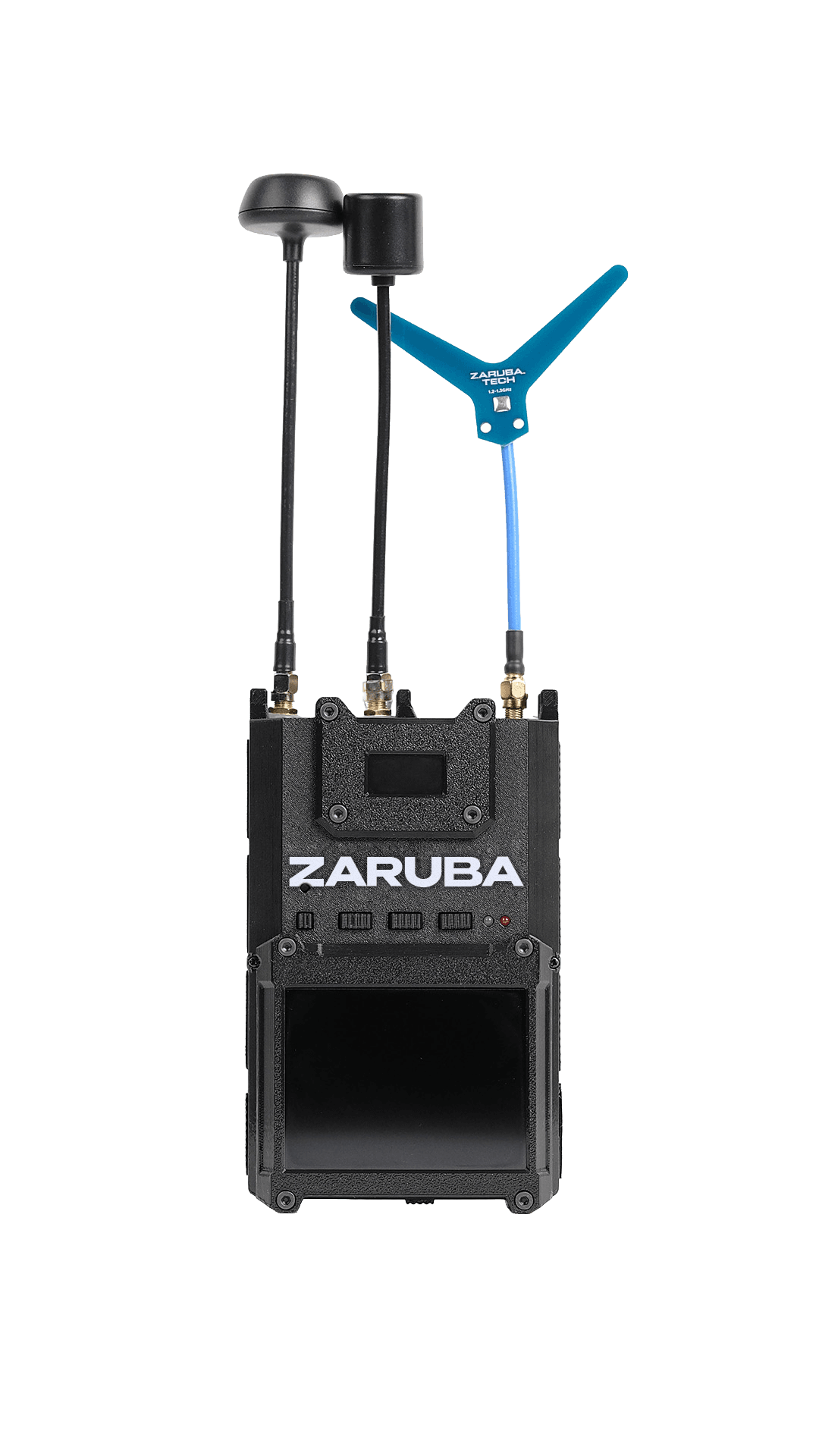
The Zaruba A3 is a portable passive RF drone detector designed to identify analog FPV video signals across three frequency bands. Its receive-only operating principle makes it an additional monitoring option for protective security teams that require portable RF awareness without introducing their own RF transmissions.
The system supports monitoring across 1.2 GHz, 3.3 GHz, and 5.8 GHz bands, covering several commonly used analog FPV video frequencies.
For protective security applications, the A3 offers several relevant capabilities:
- Portable design: A compact, self-contained device that can be transported between operational locations.
- Passive RF monitoring: Receives supported RF signals without transmitting or intentionally interfering with nearby communications.
- Multi-band detection: Monitors three frequency bands associated with analog FPV video transmission.
- Visual signal monitoring: Two integrated screens provide an interface for observing detected signals.
- External video output: Supports connection to an external display for operational viewing.
- Offline updates: Allows software updates without requiring a permanent internet connection.
- Battery-powered operation: An integrated 4,500 mAh battery supports operation without continuous external power.
The A3 can complement protective security procedures during site assessments, temporary deployments, and mobile assignments. Its role is to provide additional information about detectable analog FPV activity, helping personnel decide when further investigation or coordination with other security resources may be appropriate.
The device is not a universal drone identification system. Its detection capabilities are defined by its supported frequency bands and signal types.
What Portable RF Detection Does Not Replace
Portable RF detection is one component of a broader protective security approach. It should not be treated as a standalone counter-UAS solution or a substitute for other security technologies and procedures.
In particular, passive RF detection does not replace:
- Radar systems: Radar can provide a different method of detecting and tracking airborne objects, including targets that do not produce detectable RF emissions.
- Electro-optical and infrared systems: Cameras can help visually verify an aircraft and assess its physical characteristics.
- Remote ID receivers: Compatible receivers can capture identification and location information broadcast by compliant aircraft.
- Threat assessment procedures: Security personnel must evaluate detected activity in context rather than assume that every signal represents a hostile drone.
- Intervention capabilities: Passive detection does not jam, disable, intercept, or physically stop an aircraft.
- Established protective security protocols: Access control, advance planning, intelligence gathering, communications, and response procedures remain essential.
A layered approach allows security teams to combine RF monitoring with visual verification, intelligence, and operational coordination.
Relevant Zaruba A3 Specifications
The following specifications are relevant when assessing the A3 for portable protective security deployments.
- Frequency bands: 1.2 GHz, 3.3 GHz, and 5.8 GHz.
- Scanning speed: 4-8 seconds for a full cycle.
- Detection range: Up to 2.5 miles under suitable conditions.
- Battery life: 4,500 mAh battery capacity.
- Weight: Up to 23 oz.
- IP rating: IP54.
- Operating temperature: 14°F to 122°F
Related Solutions
Explore other Zaruba Tech solutions for drone awareness across different operational environments:
Related Resources
Learn more about passive RF detection, portable monitoring equipment, and the role of drone awareness in layered security operations:
- Drone Detection Procurement Checklist: 15 Questions Buyers Should Ask
- Counter-UAS Detection Layers: RF, Radar, EO/IR and Other Sensors
- How to Choose a Drone Detector: 10 Key Evaluation Criteria
Explore Portable Drone Detection with Zaruba A3
Assess how passive RF monitoring can complement your protective security operations.
- Explore Zaruba A3.
- Download A3 Datasheet.
- Contact Sales.