About
the company
Zaruba Tech an American innovative serial manufacturer of military radio electronics and technical equipment
An American full-cycle defense technology manufacturer
Zaruba Tech is an American defense technology company operating in the market since 2024. We are a serial manufacturer of full-cycle military solutions – from research and development to production, testing, and preparation for delivery.
The company was founded as an engineering initiative by a private developer, focused on creating modern radio-electronic systems for the defense sector. Today, Zaruba Tech is in a phase of active market entry and production scaling.
Zaruba Tech has:
Office and manufacturing facility in Los Angeles (USA).
Full production cycle: R&D, engineering, manufacturing, quality control.
Participation in the Silicon Slopes Summit on February 4–7, 2026.
Our mission:
To develop and manufacture technologies that enhance the efficiency, safety, and adaptability of units in modern threat environments.
To create solutions that address the real challenges of the modern battlefield and rapidly adapt to changing conditions.
Zaruba Tech focuses on meeting U.S. government needs in the field of defense technologies.
Our manufacturing standards
Continuous analysis of potential threats and development of advanced countermeasure solutions.
Direct contact with units and rapid implementation of changes.
Testing under real operational conditions.
Standardization of components and codification according to international standards.
Rapid adaptation to different types of threats.
Zaruba Tech solutions are developed based on practical operational experience.
Contact usTechnological solutions for modern needs
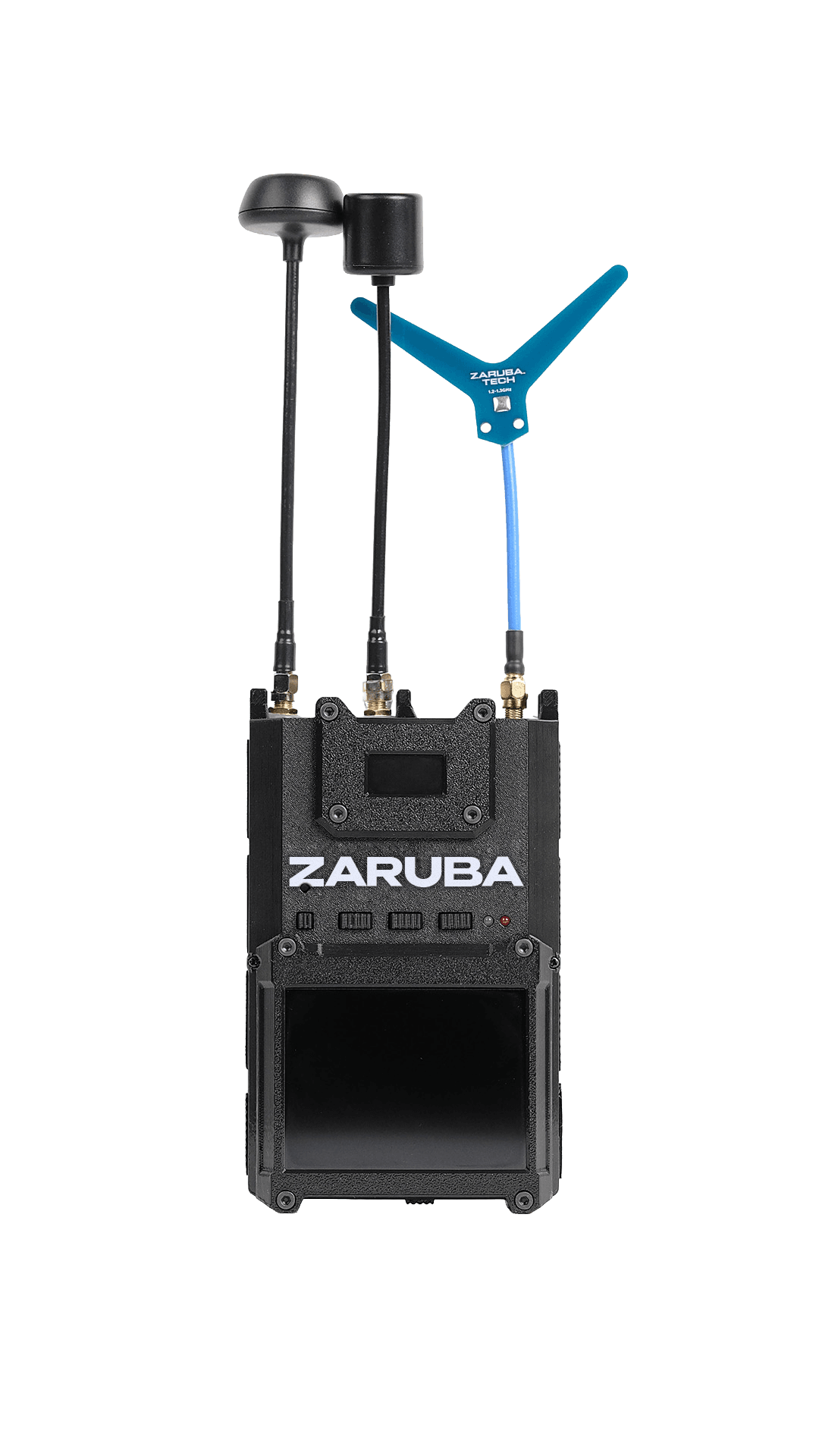
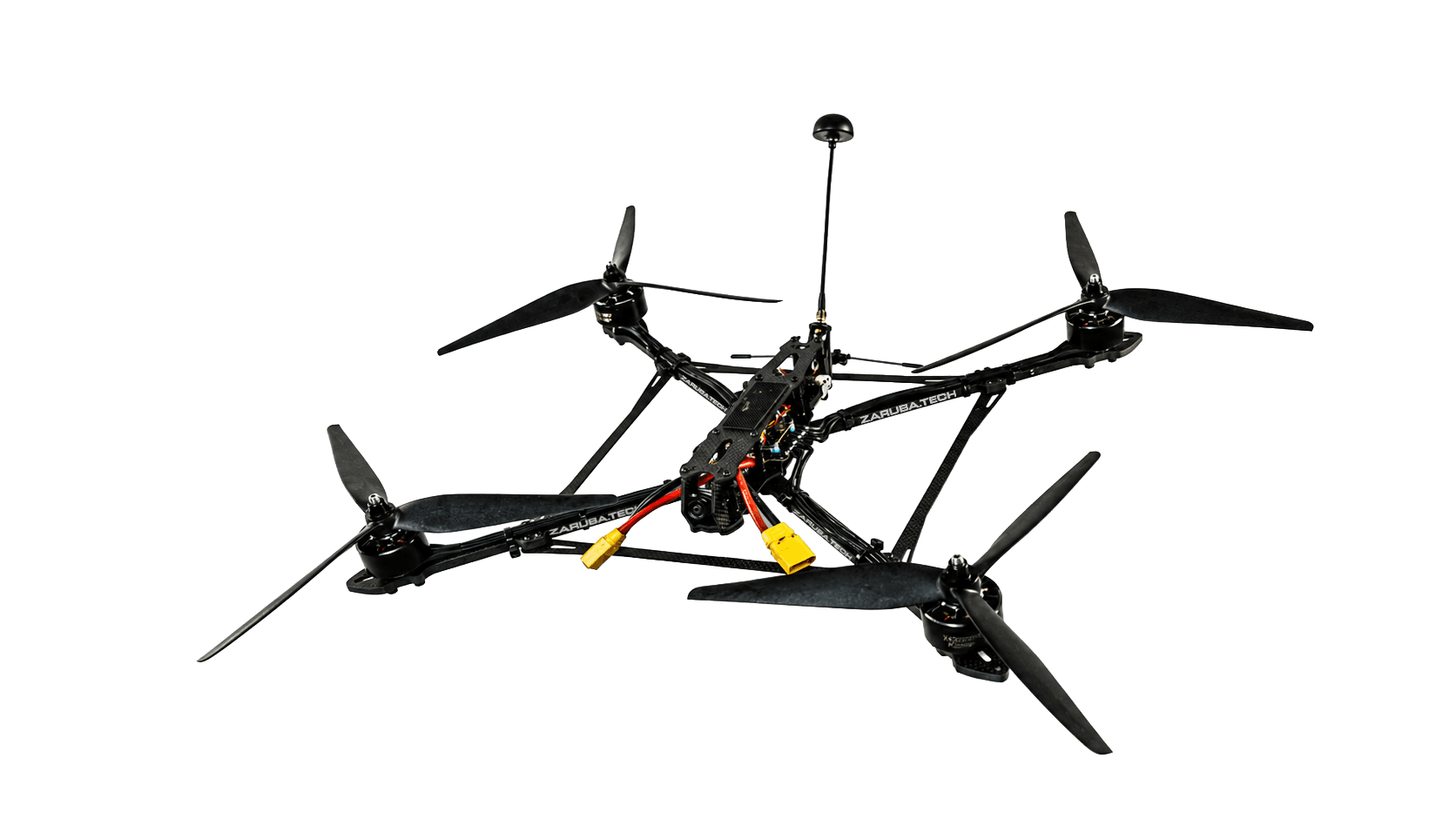
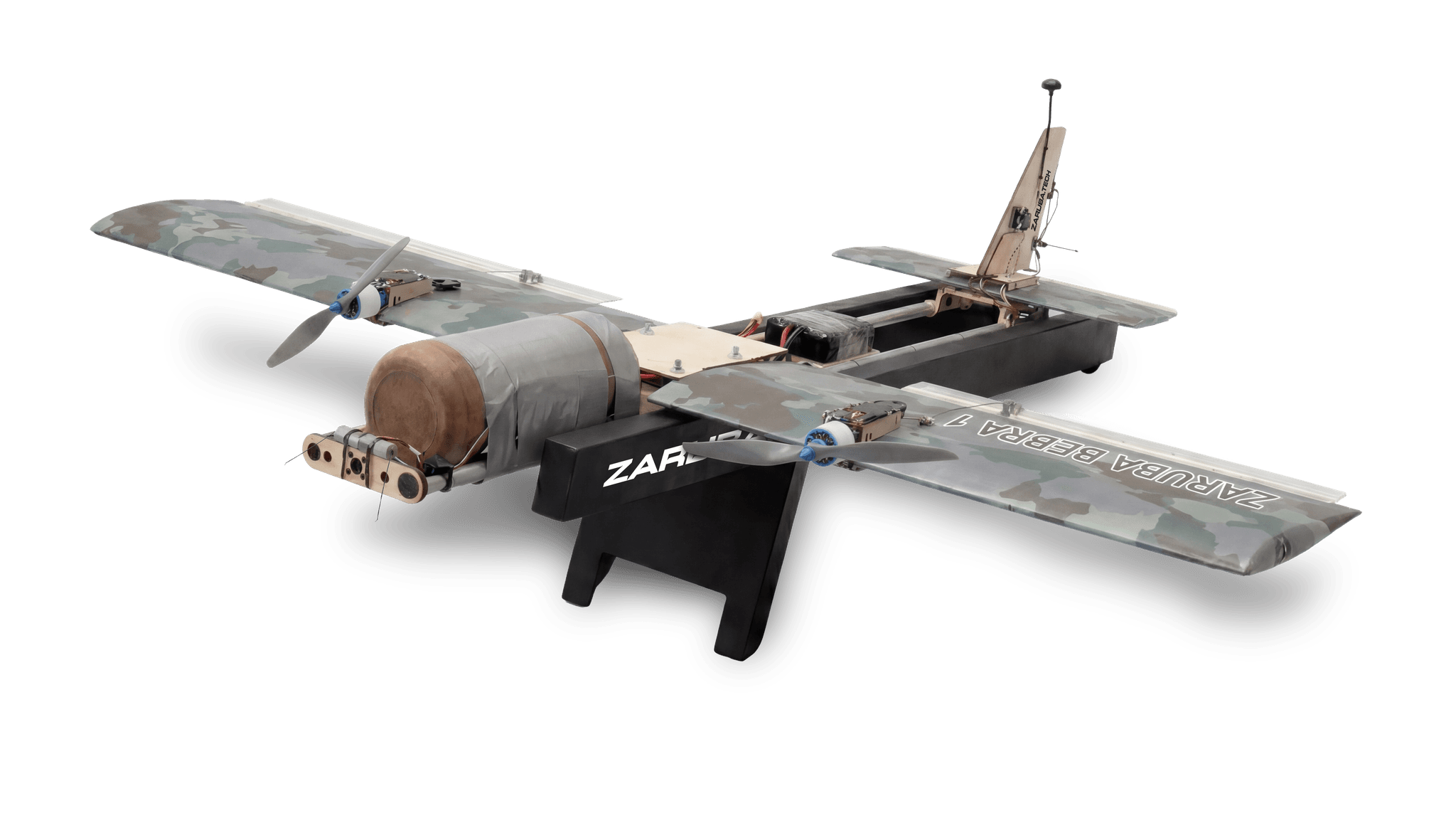
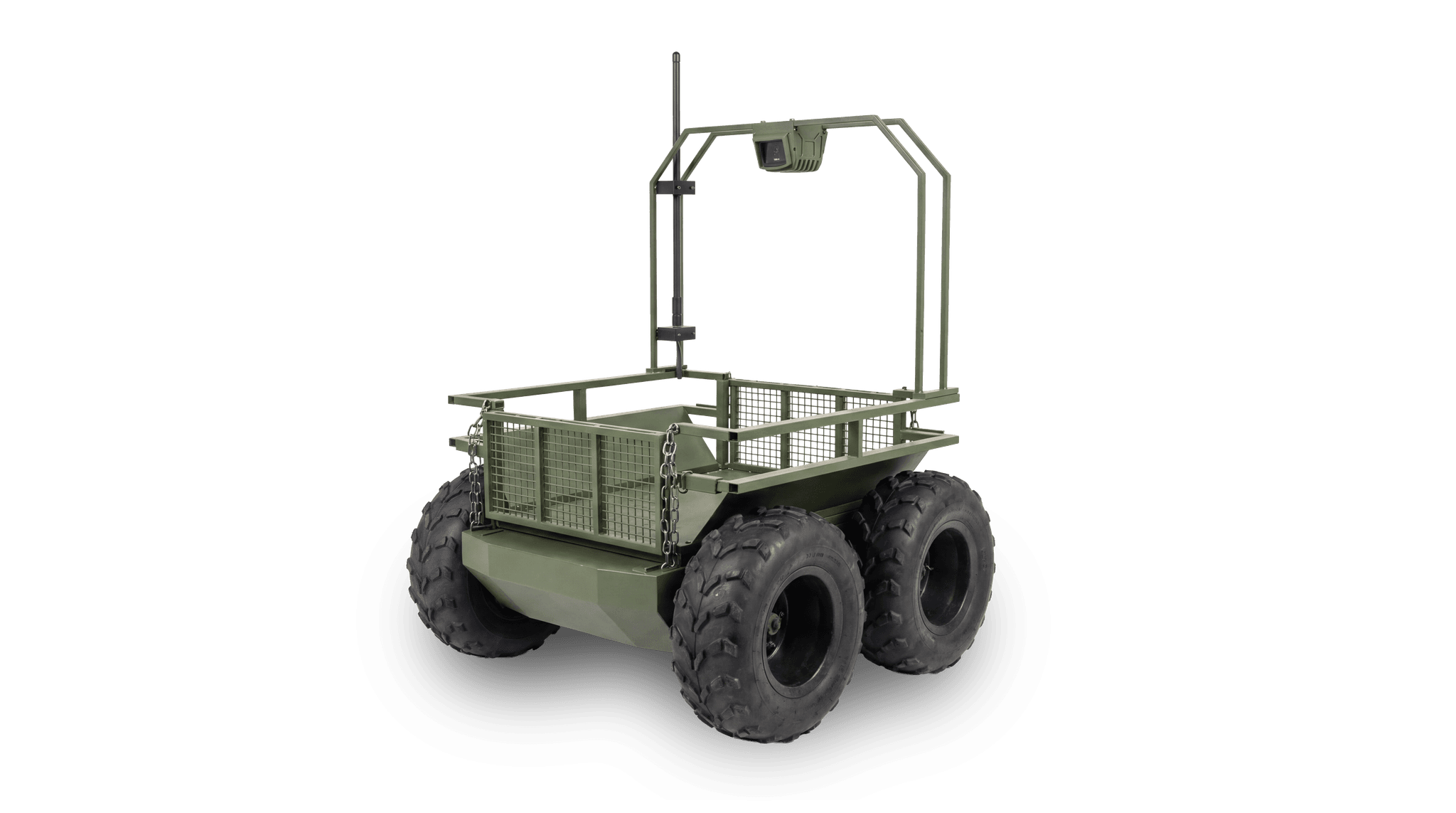
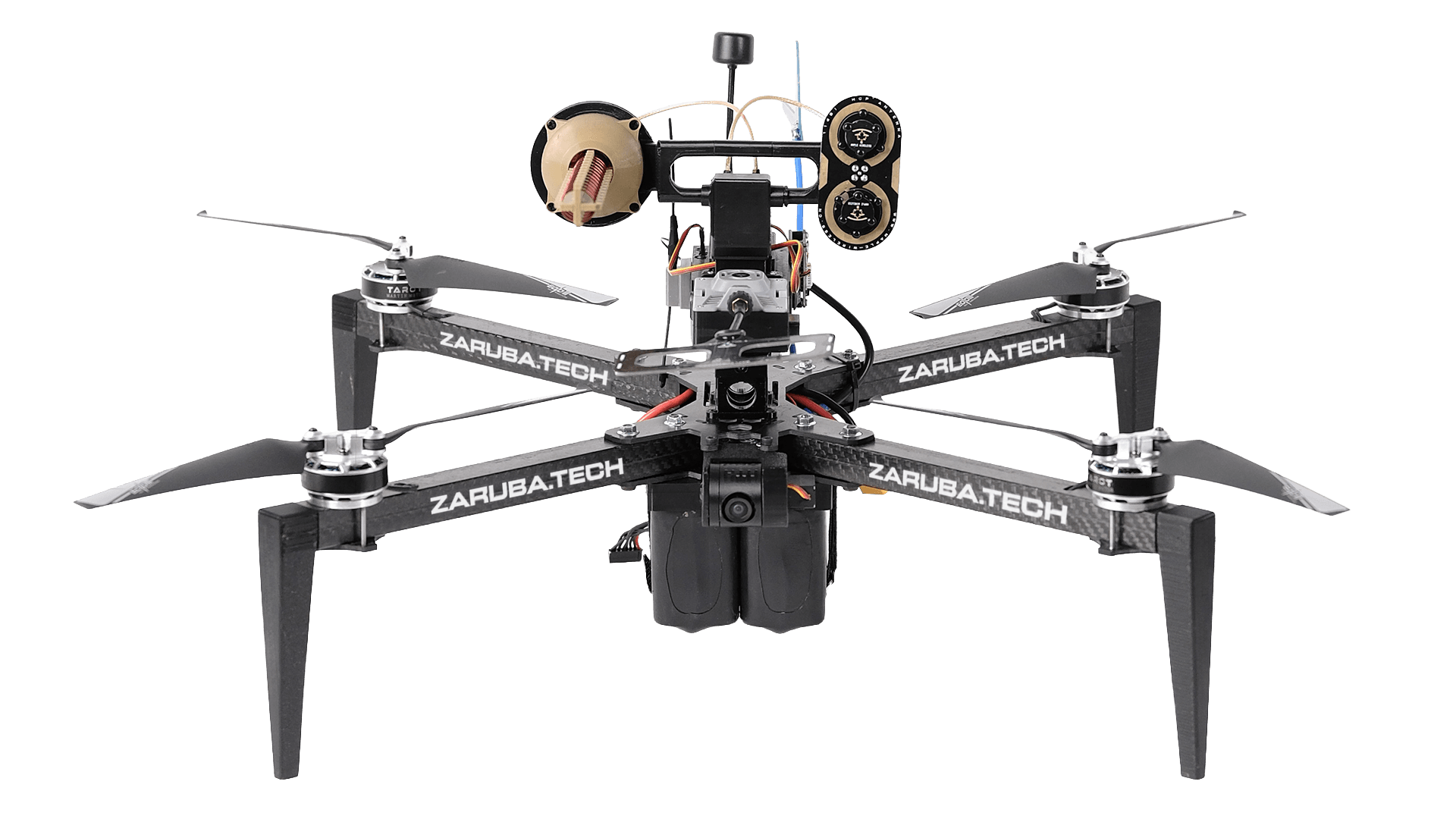
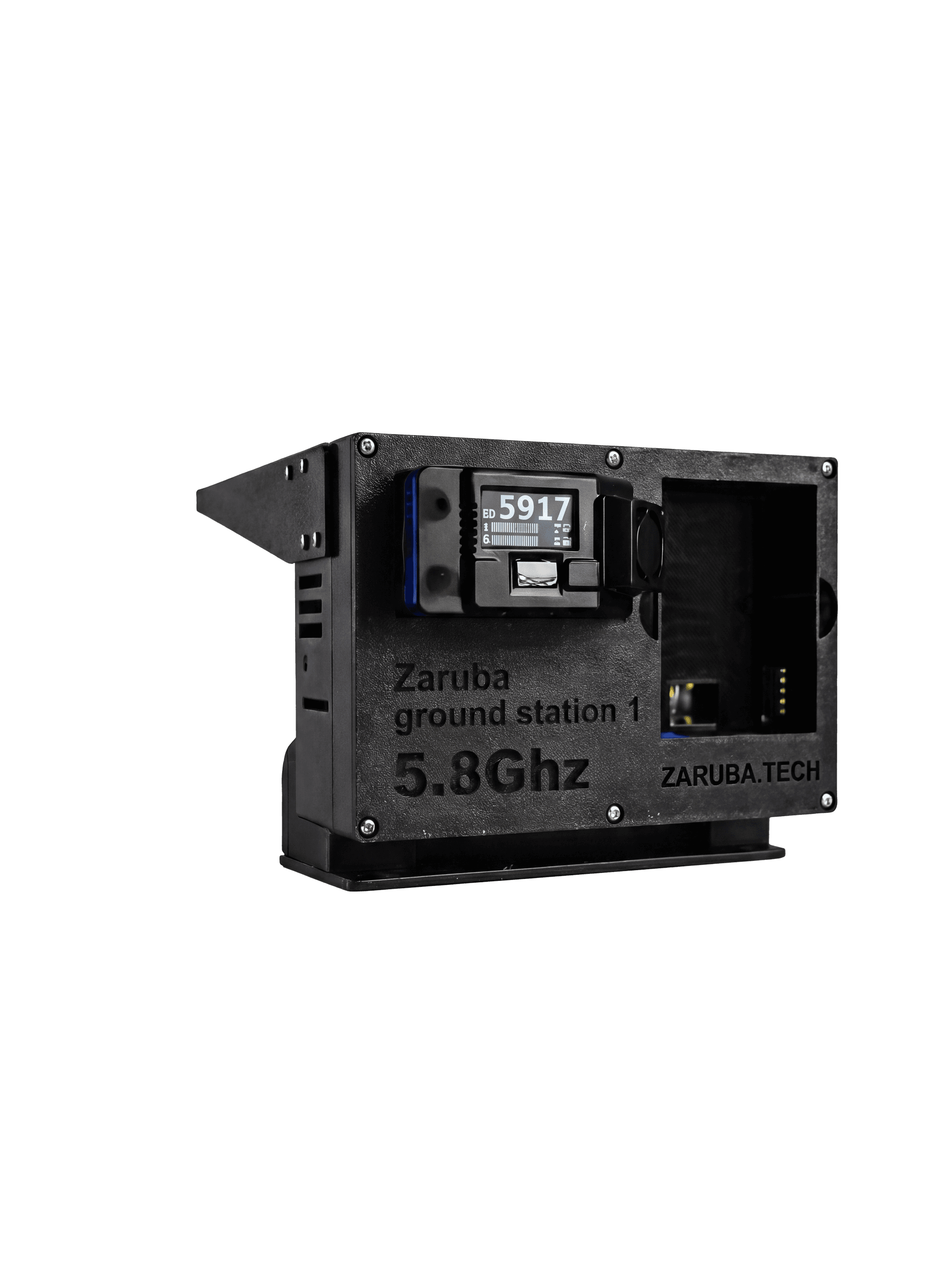
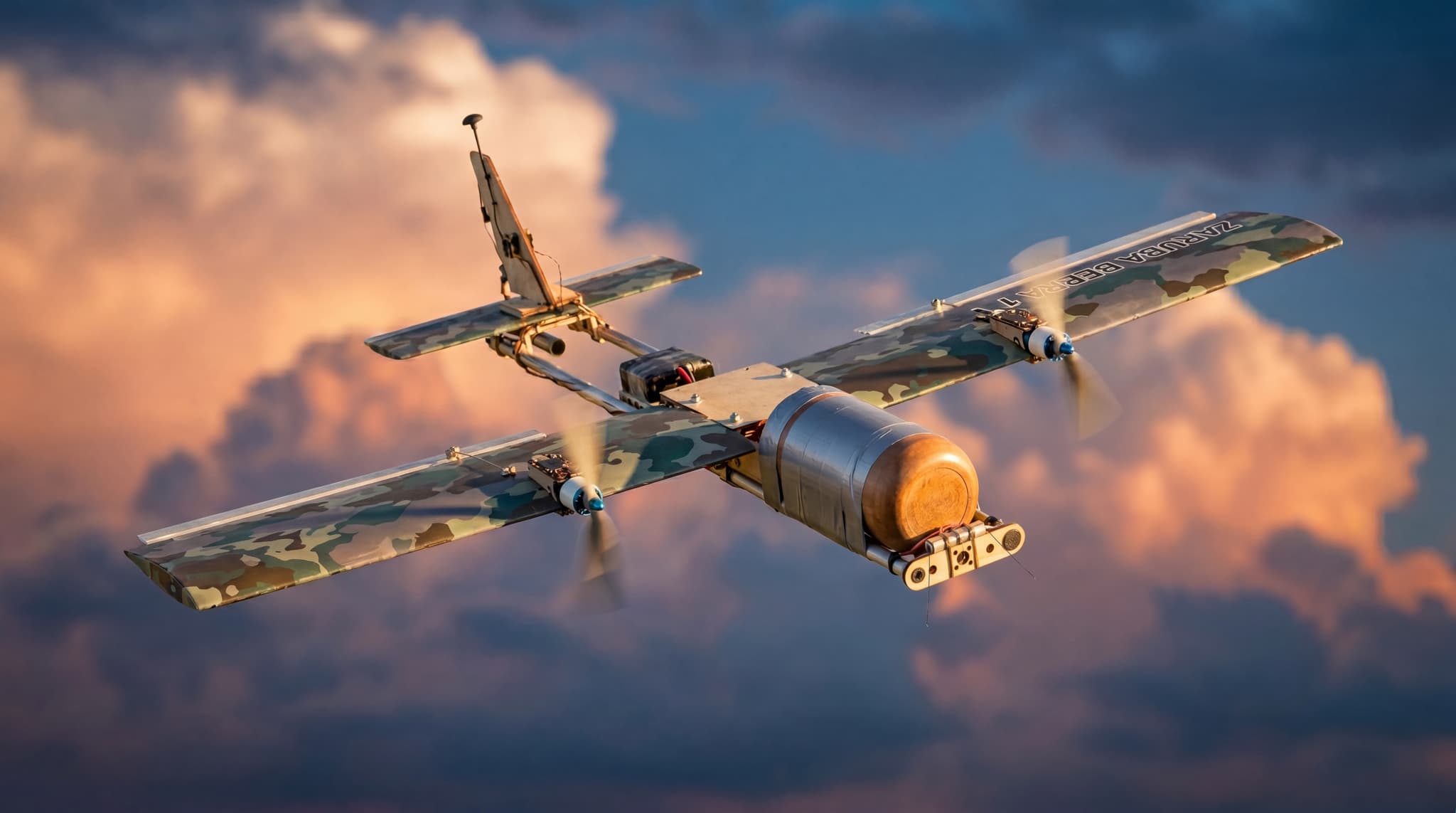
Zaruba Tech closely collaborates with Ukrainian R&D partners within the framework of technological cooperation, including BlueBird Tech.
Devices manufactured by our company undergo testing in real operational conditions. After testing, the engineering team receives practical feedback from military units. Continuous interaction allows for rapid system upgrades, ensuring their relevance in response to changing threat dynamics and operational conditions.
We are open to collaboration with government agencies and other defense companies.
News and Technical Developments
Drone Detection Procurement Checklist: 15 Questions Buyers Should Ask
Selecting a drone detection system is not simply a matter of comparing detection ranges or supported frequencies. A system that performs well in one environment may be unsuitable for another because of differences in drone types, RF activity, deployment conditions, operator requirements, or integration needs.
Counter-UAS Detection Layers: RF, Radar, EO/IR and Other Sensors
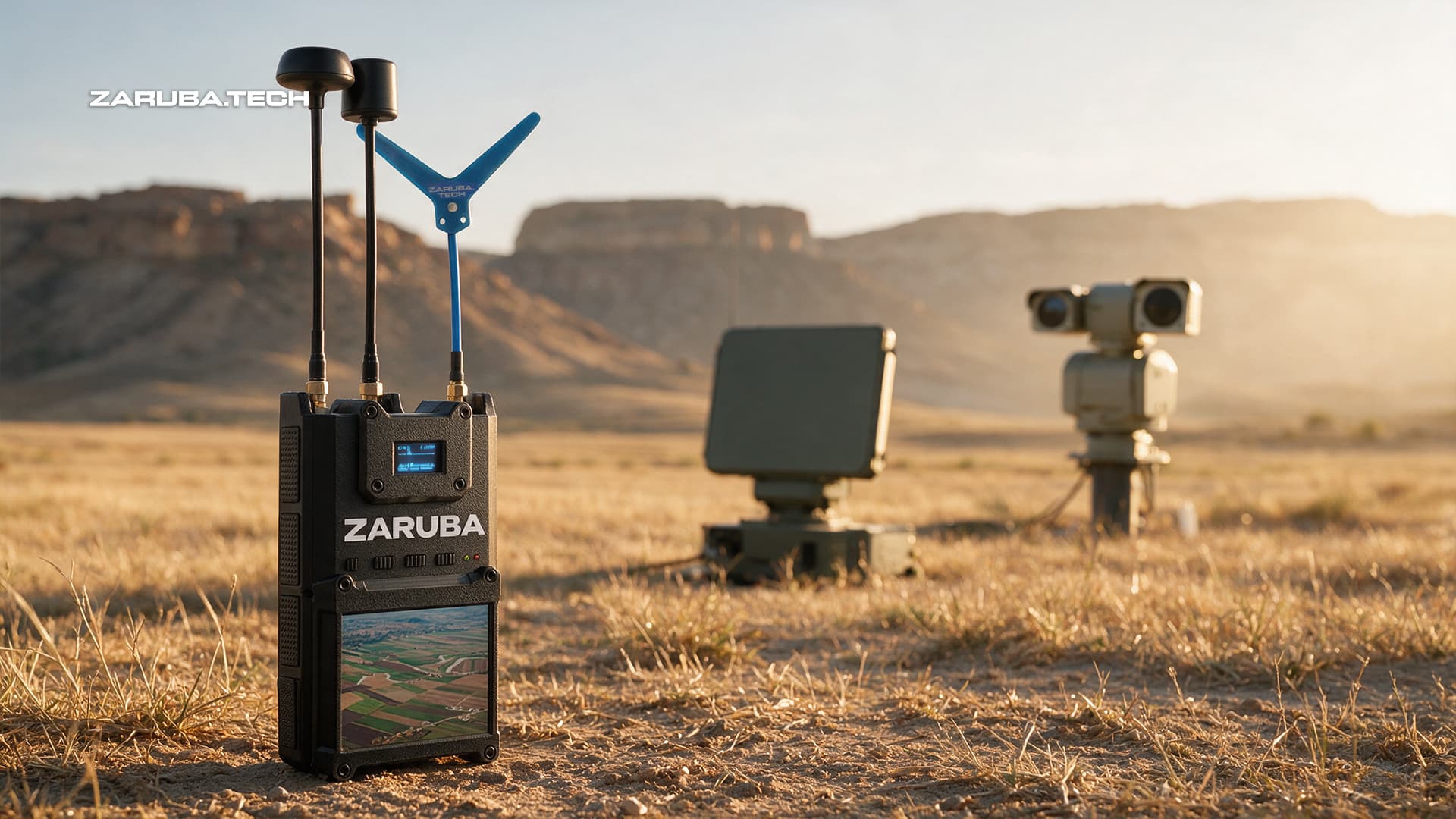
Counter-UAS detection is rarely based on a single sensor. Different drone types, operating environments, and flight profiles create different detection challenges, so effective systems often combine several sensing technologies. RF detection, radar, EO/IR cameras, acoustic sensors, and cooperative technologies such as Remote ID can each provide a part of the picture. A layered architecture helps compensate for individual sensor limitations and provides more reliable information about the presence, location, and behavior of unmanned aircraft systems (UAS).
How to Choose a Drone Detector: 10 Key Evaluation Criteria
Drones are becoming increasingly common across commercial, industrial, and security environments, creating a growing need for reliable detection solutions. However, selecting the right drone detector requires more than comparing advertised detection distances or technical specifications.
FPV Drone Detection: Capabilities and Limitations
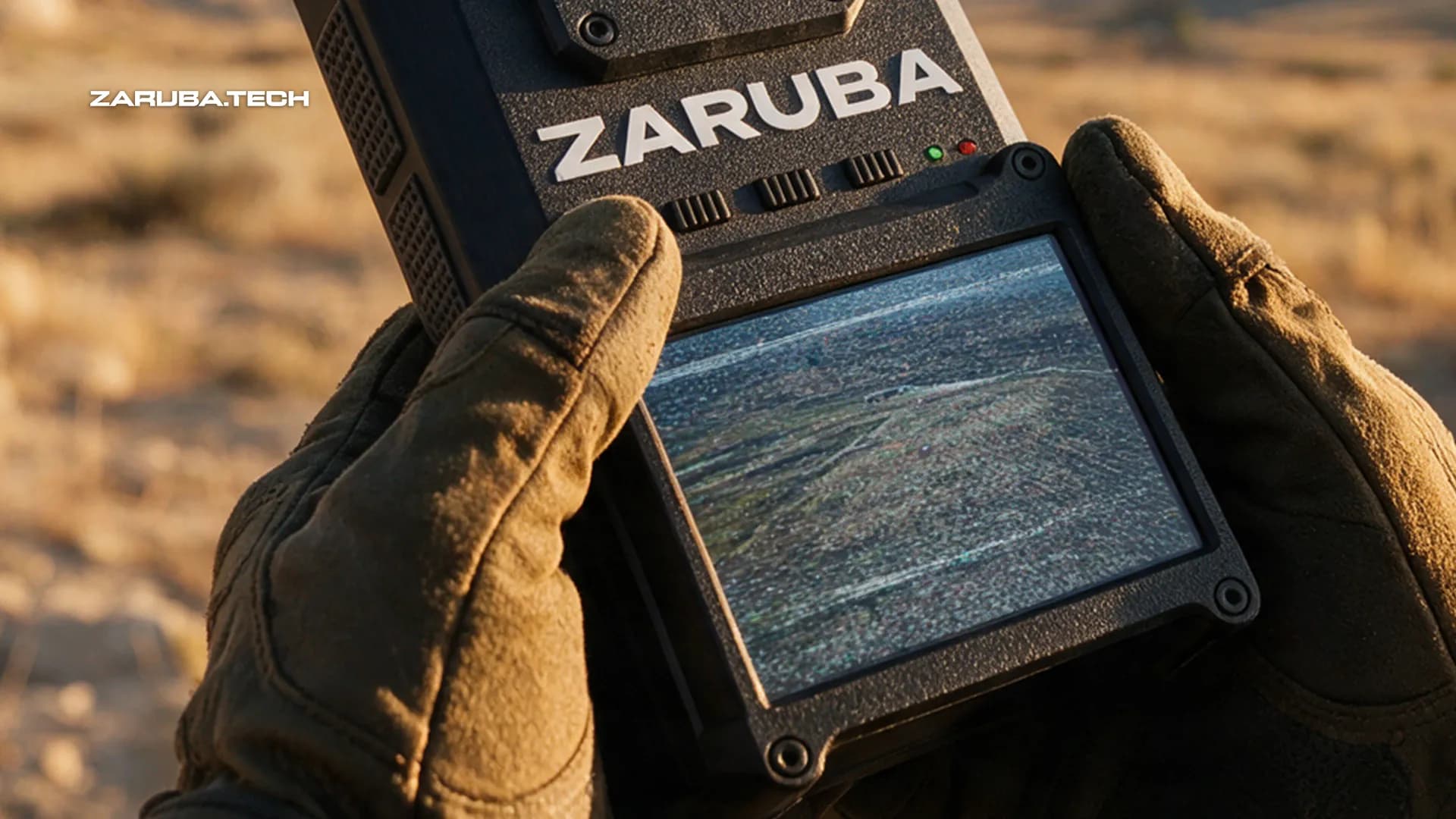
FPV drones are hard to detect because of their small size, high speed, and flexible communication systems. Unlike traditional drones that may rely on standardized identification methods, many FPV platforms use customizable radio links and low-latency video transmission, making early detection more complex. Understanding the capabilities and limitations of FPV drone detection helps organizations choose the right technologies for monitoring and counter-FPV strategies.
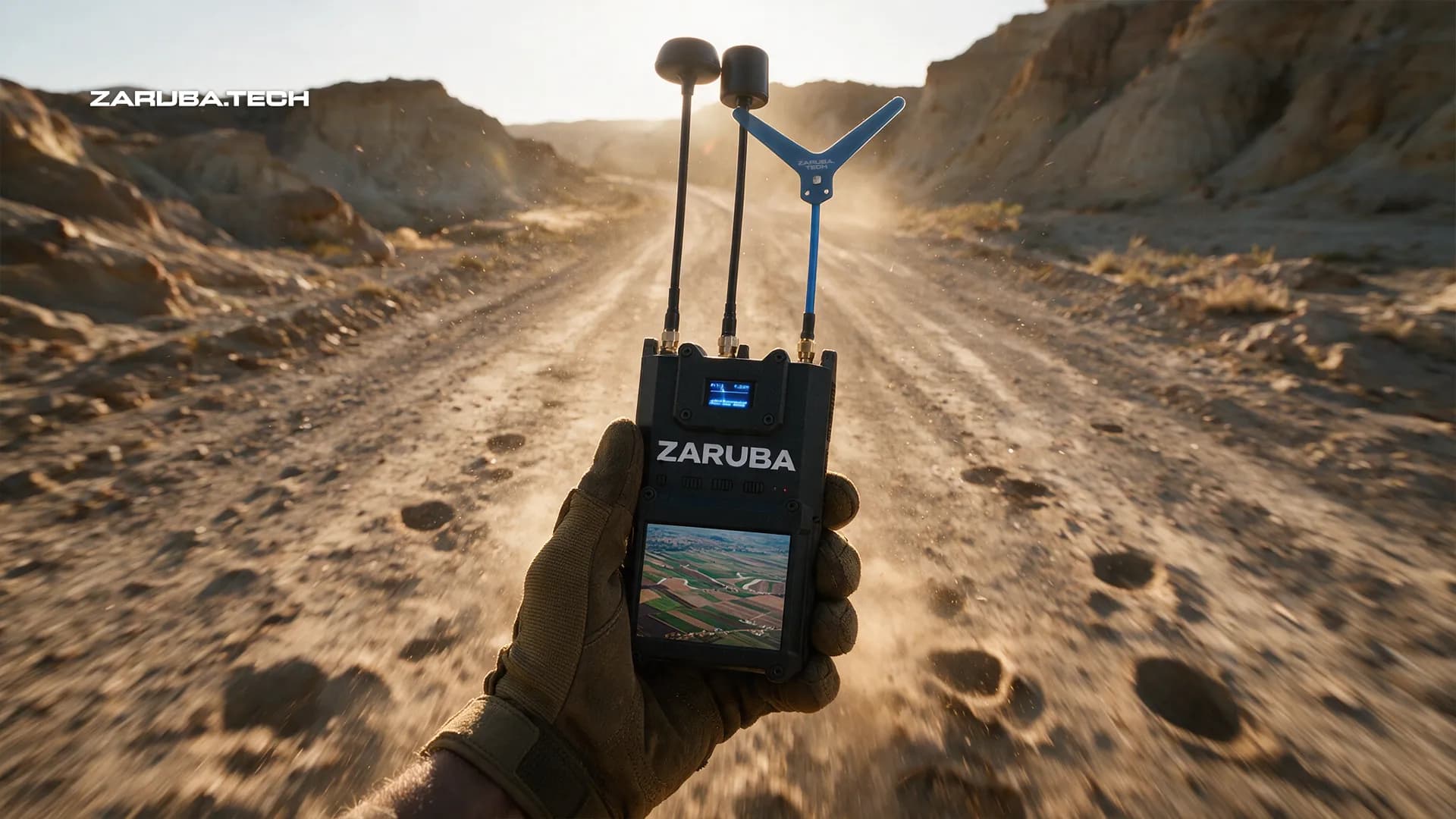
How Handheld Drone Detectors Work
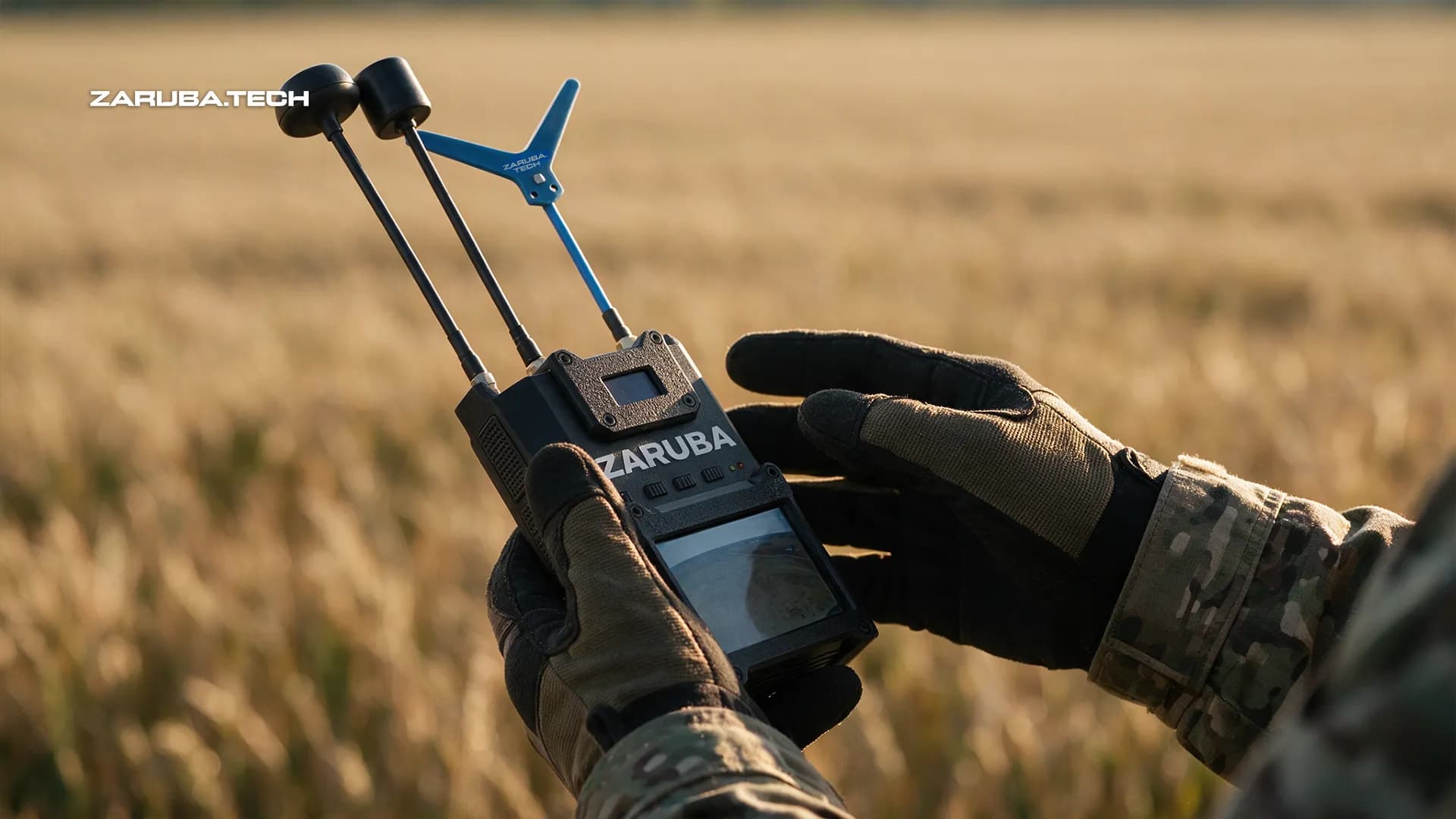
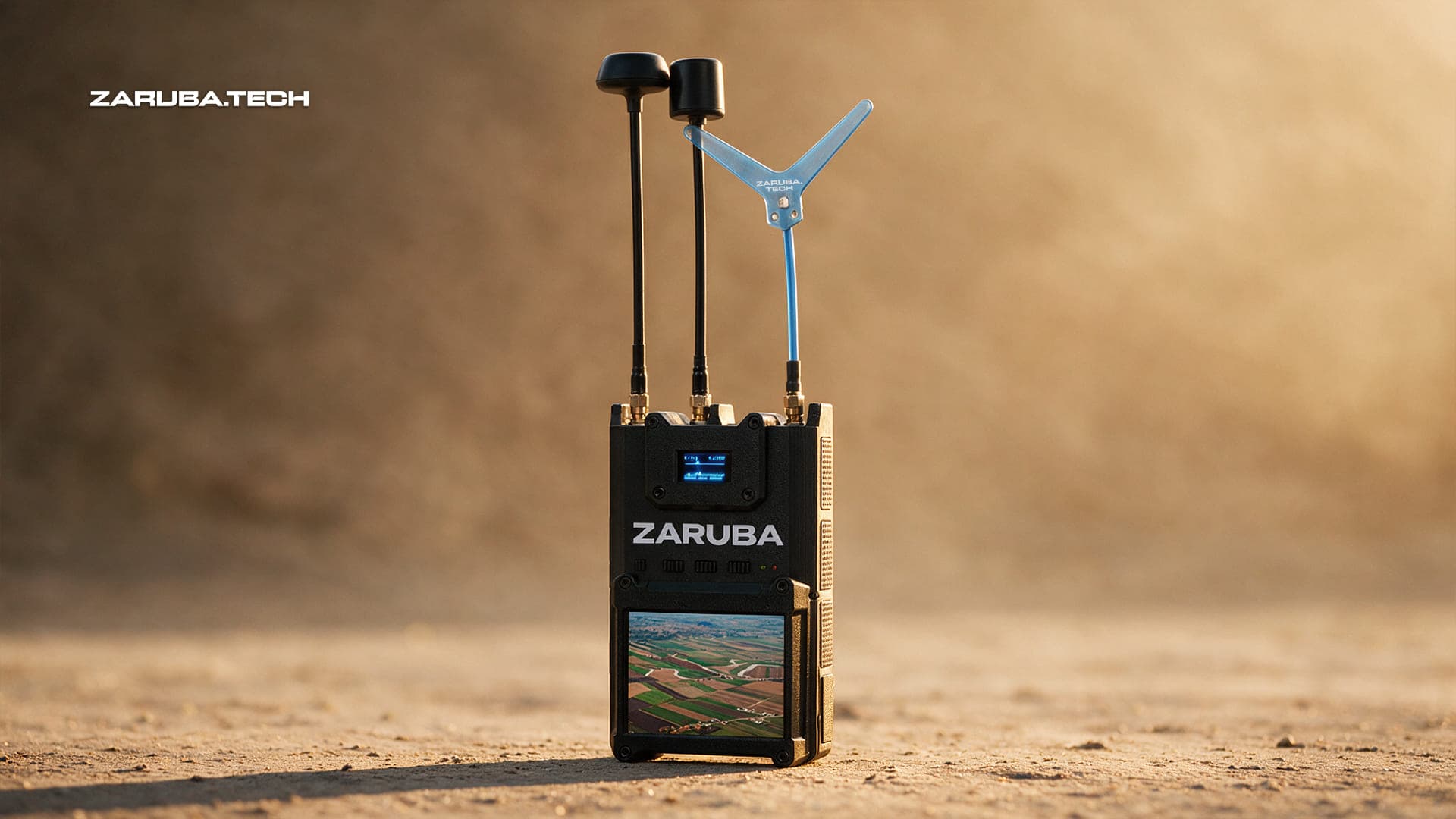
Detecting drone activity requires technologies that can identify communication signals without disrupting the surrounding environment. Handheld drone detectors use RF monitoring to analyze radio frequency emissions from drones, controllers, and video transmission systems. Understanding how these devices work helps explain their role in modern drone detection strategies.
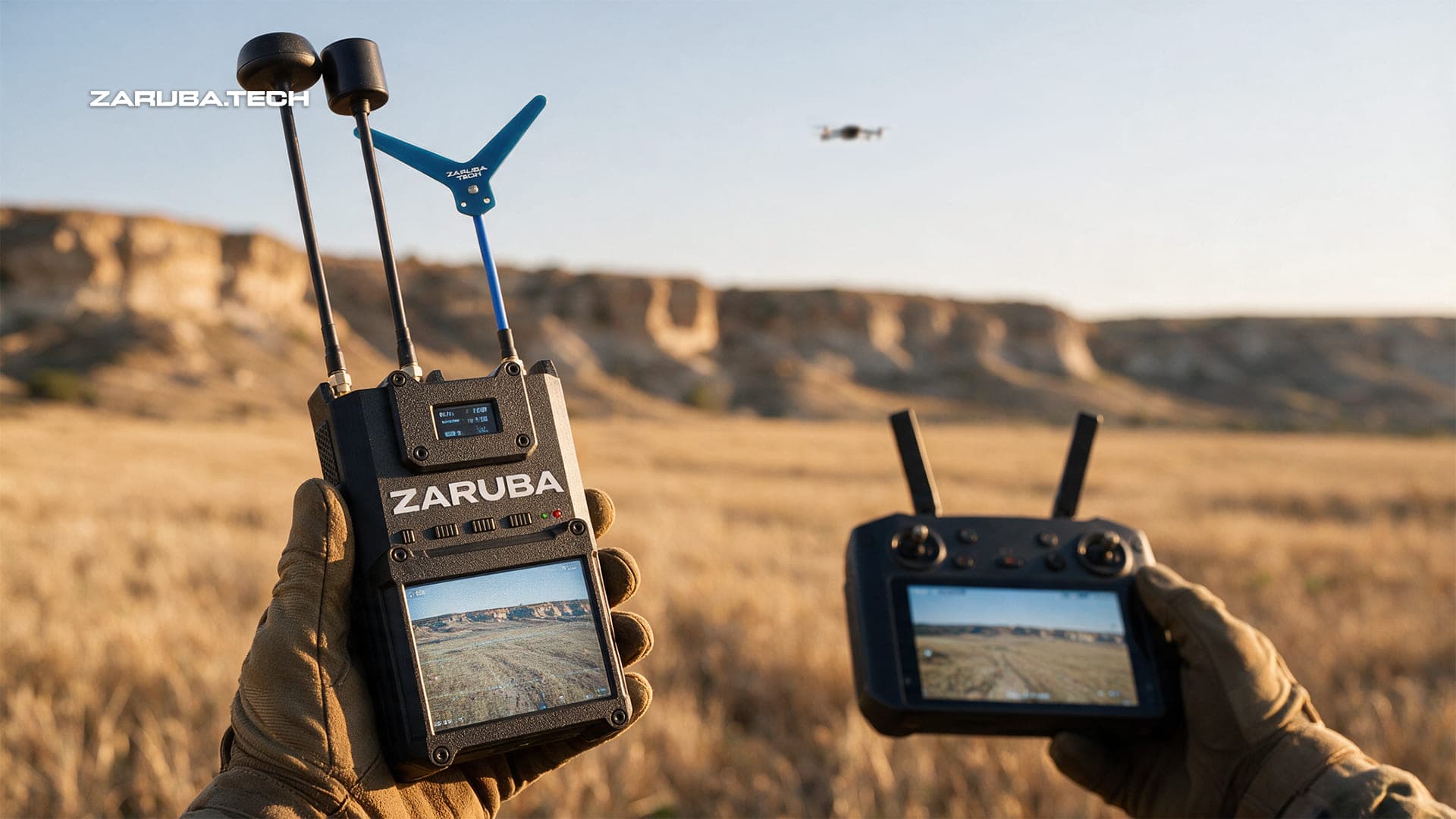
RF Detection vs Remote ID: Understanding the Difference in Drone Detection Technologies
As drone use expands across commercial, recreational, and industrial environments, organizations need reliable ways to identify and monitor unmanned aircraft activity. Airports, critical infrastructure operators, government facilities, and security teams increasingly rely on layered drone detection approaches that combine different technologies to improve situational awareness. Two commonly discussed technologies are Remote ID and RF detection. Although both can help identify drone activity, they operate in fundamentally different ways. Remote ID is a cooperative identification technology: it depends on the drone broadcasting information about itself. In contrast, RF detection analyzes radio frequency activity and signals in the surrounding environment, allowing security teams to detect communication links even when a drone does not actively provide identification data. Understanding the difference between RF detection vs Remote ID is essential when selecting the right technology for a specific security application.