Zaruba EW Electronic Warfare System for RF Defense
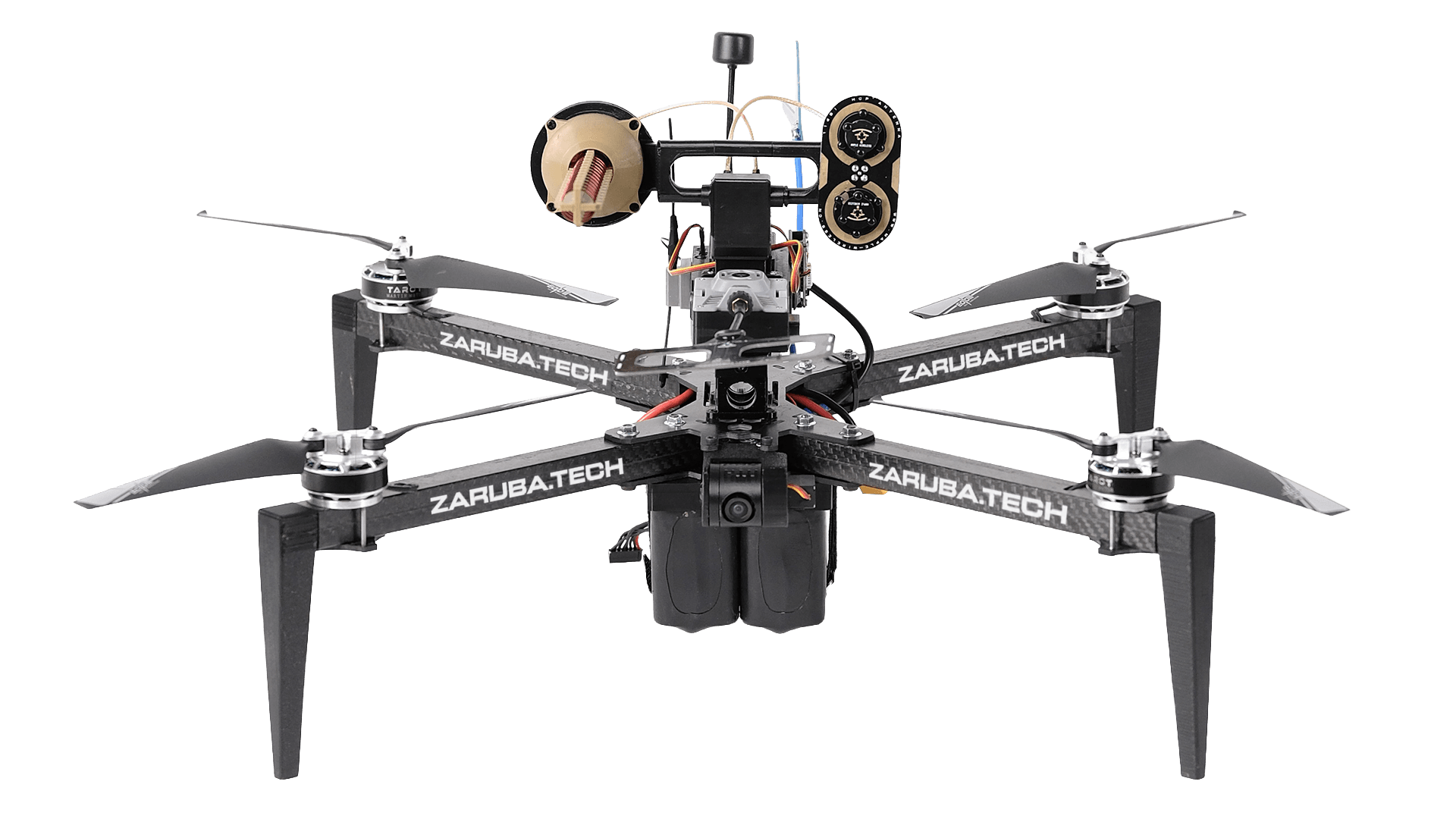
Electronic warfare countermeasure systems designed to protect personnel, equipment, and positions by creating interference within designated frequency ranges to disrupt the control and communication channels of UAVs and FPV drones.
Video review of the device
[ Video review ]
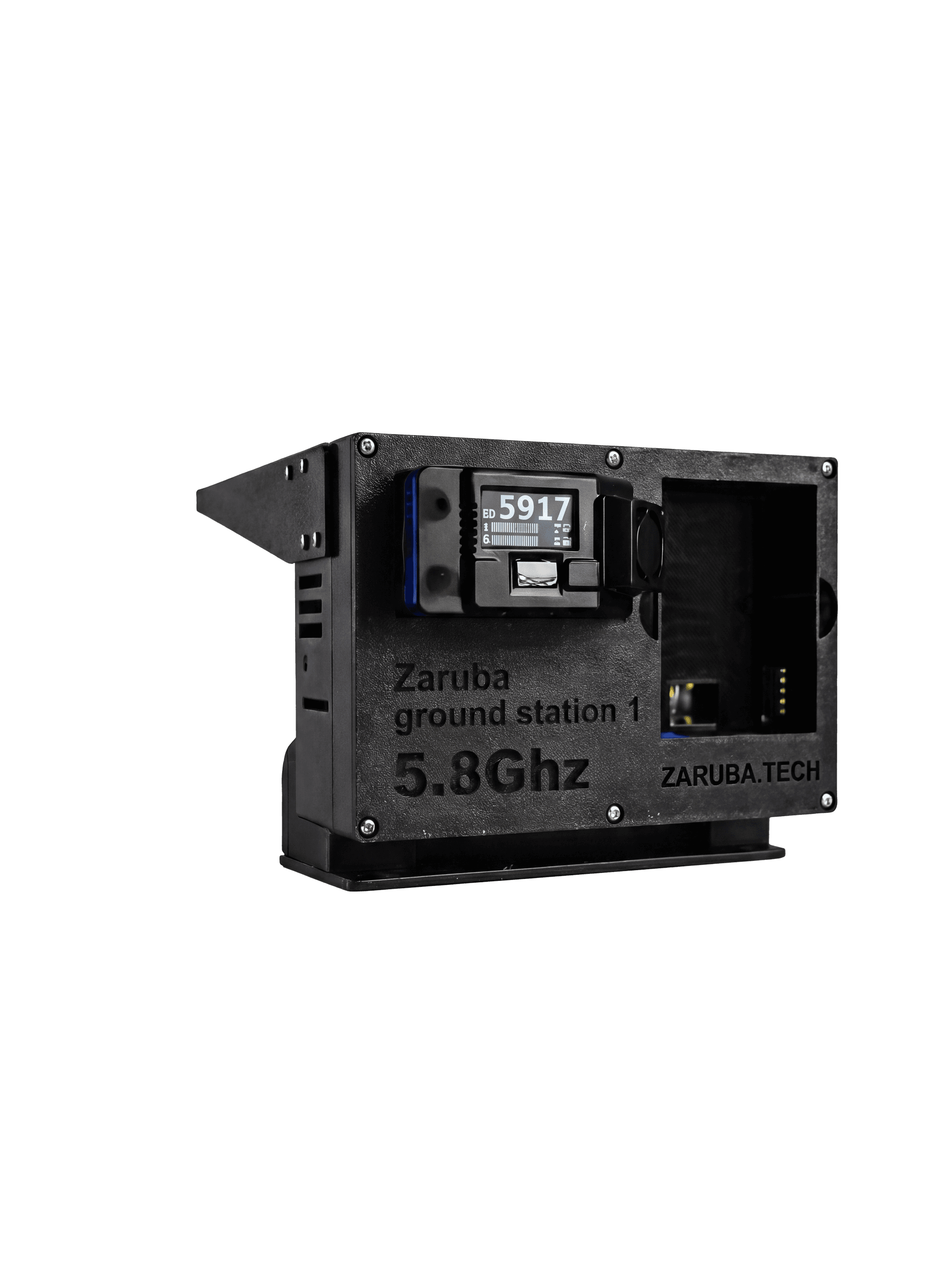
Zaruba EW system drone detector gallery
Modifications of Zaruba EW system drone detectors
“Zaruba EW modular XL” system
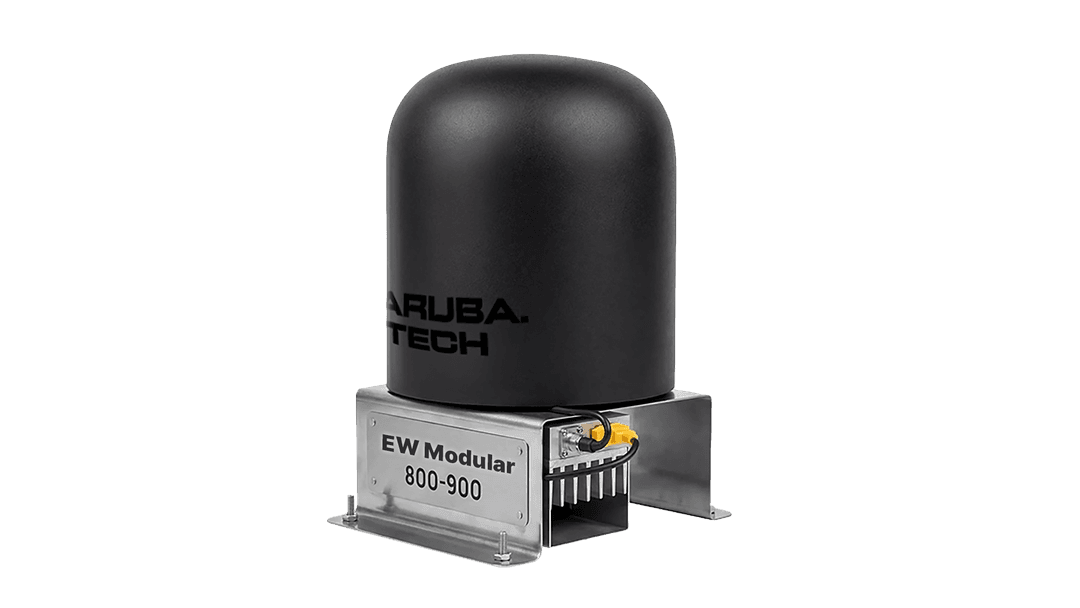
“Zaruba EW 4MC” EW anti-drop
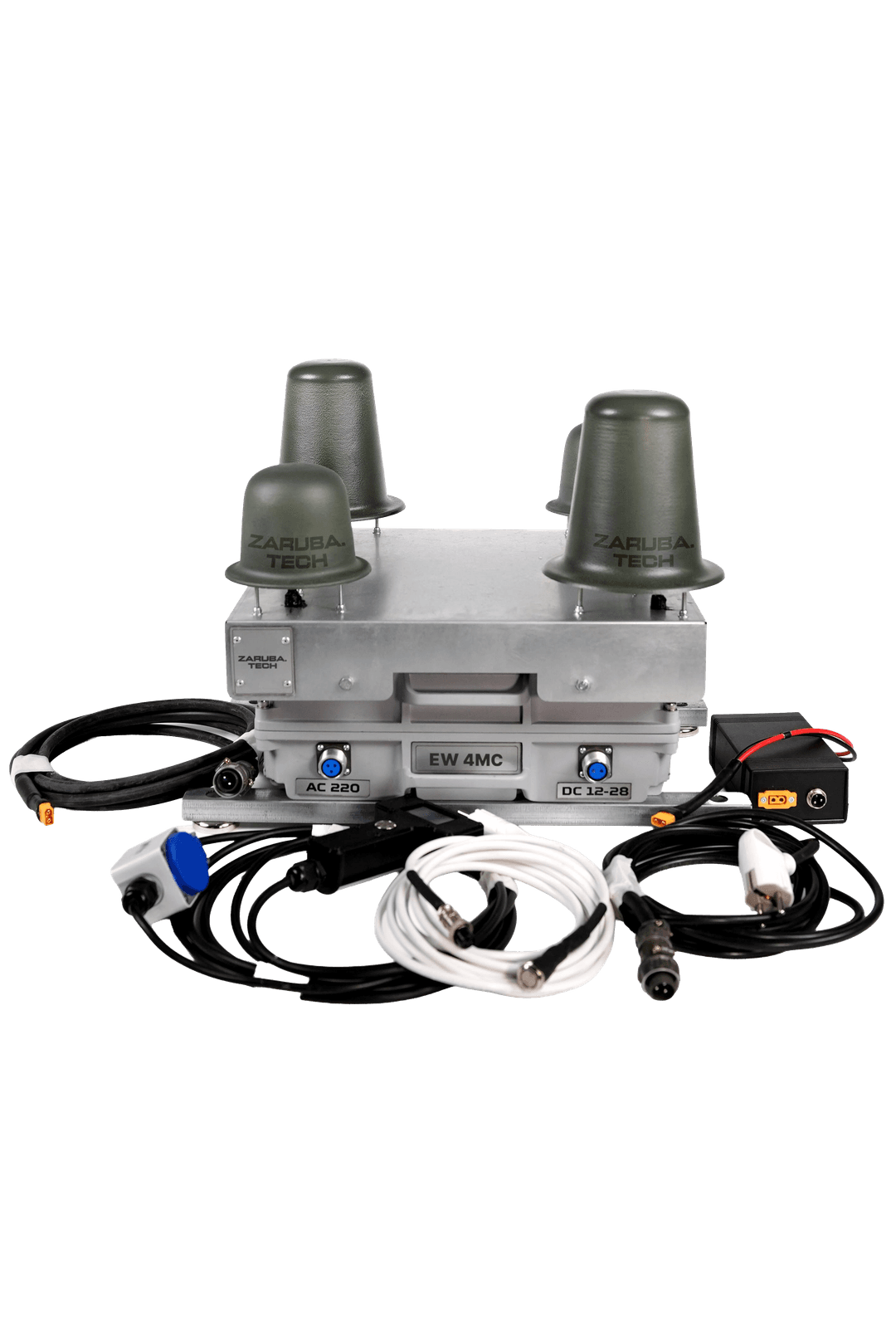
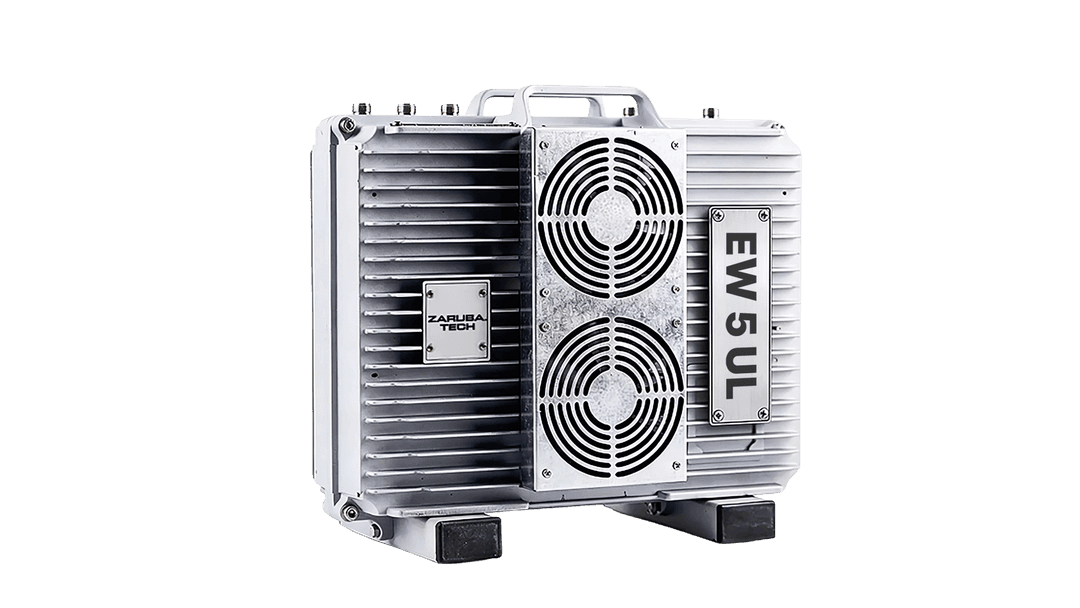
“Zaruba EW 5 UL” EW
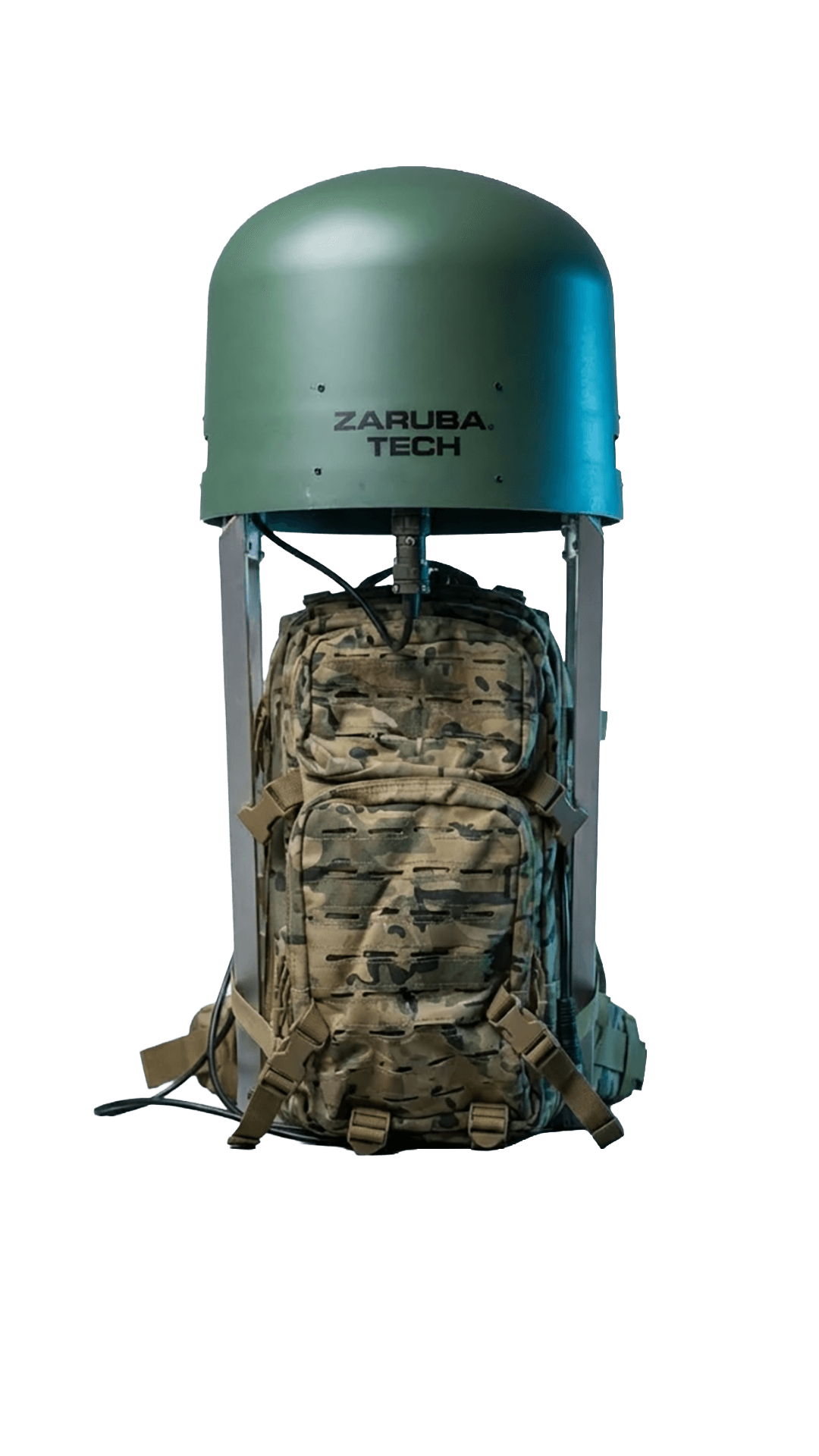
Zaruba EW “Anti-Drop” backpack
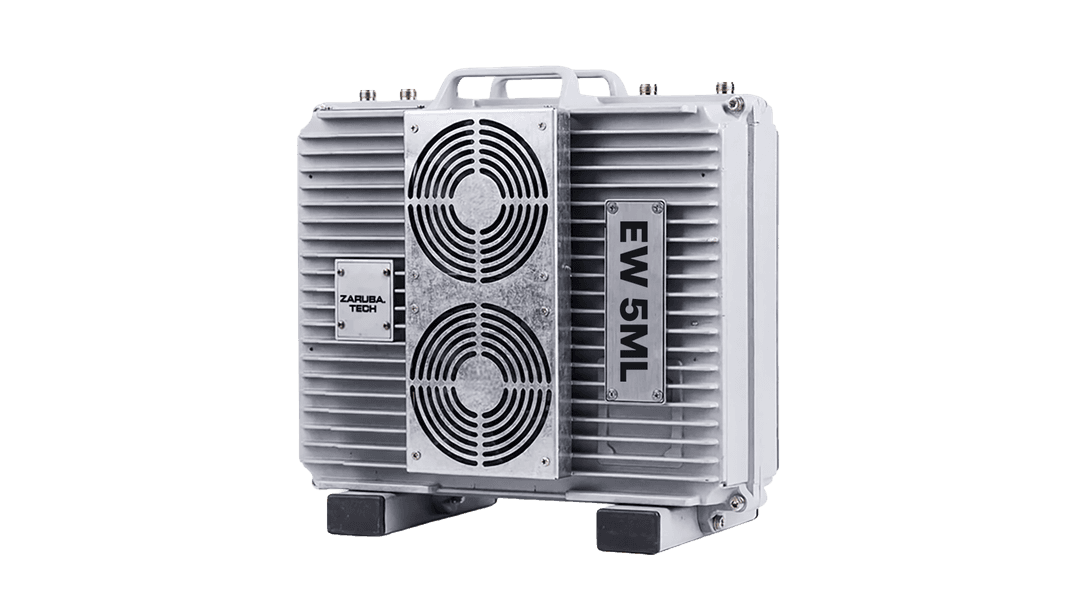
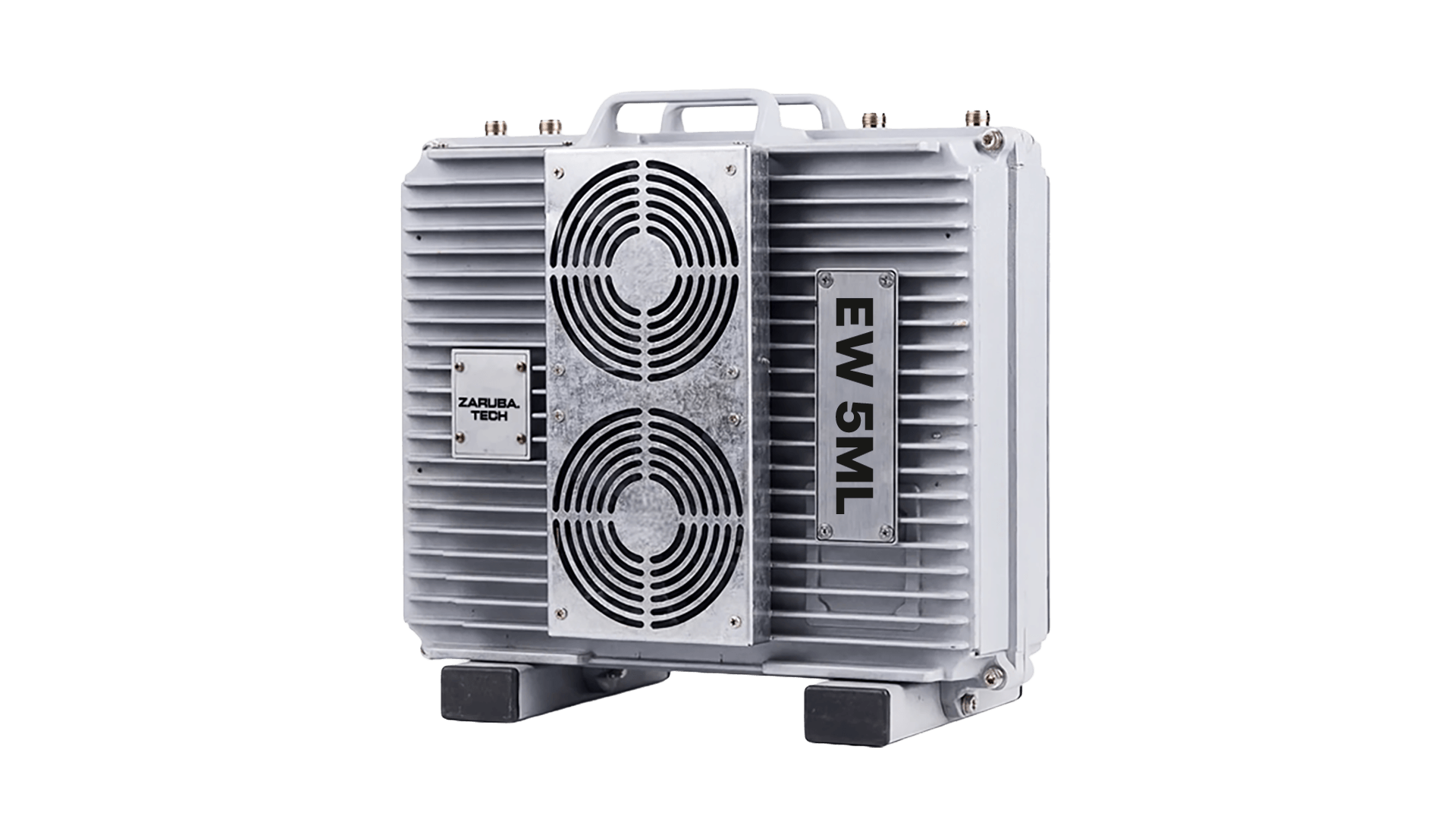
“Zaruba EW 5ML” EW
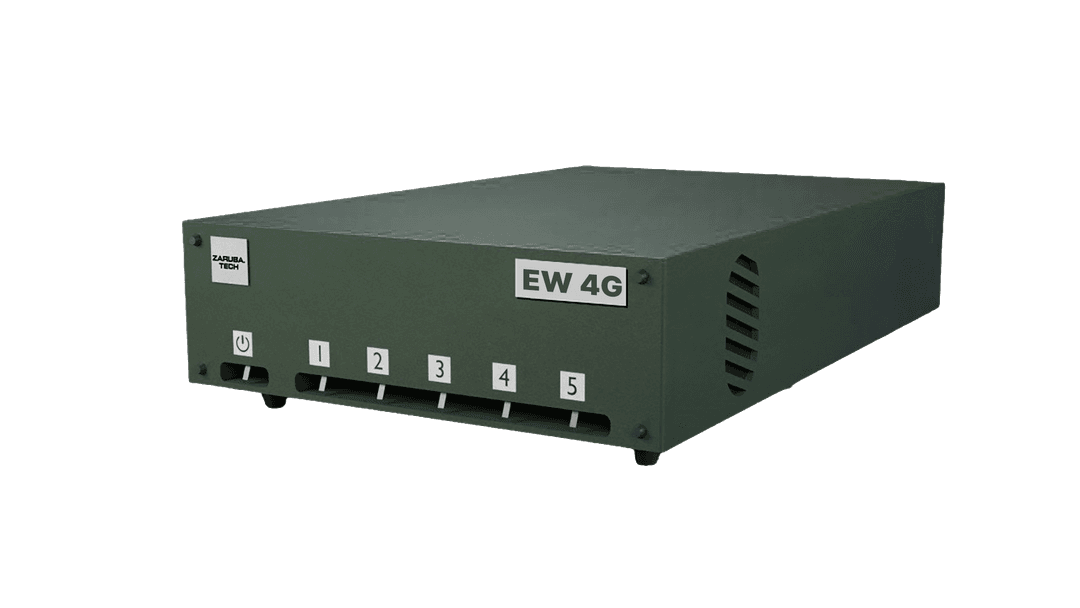
“Zaruba EW 4G” multichannel signal suppressor
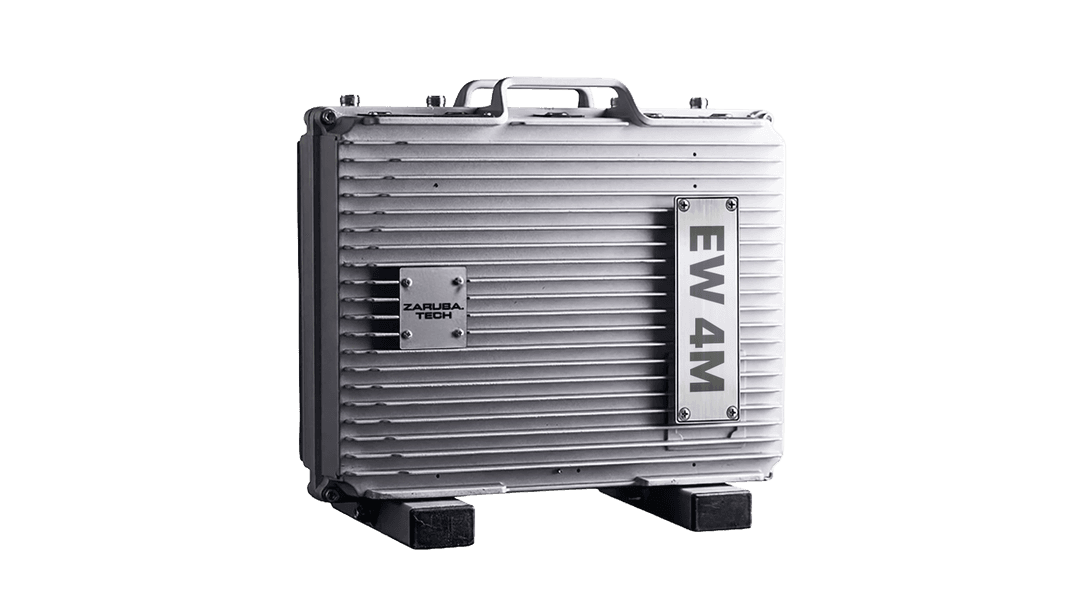
“Zaruba EW 4M” EW
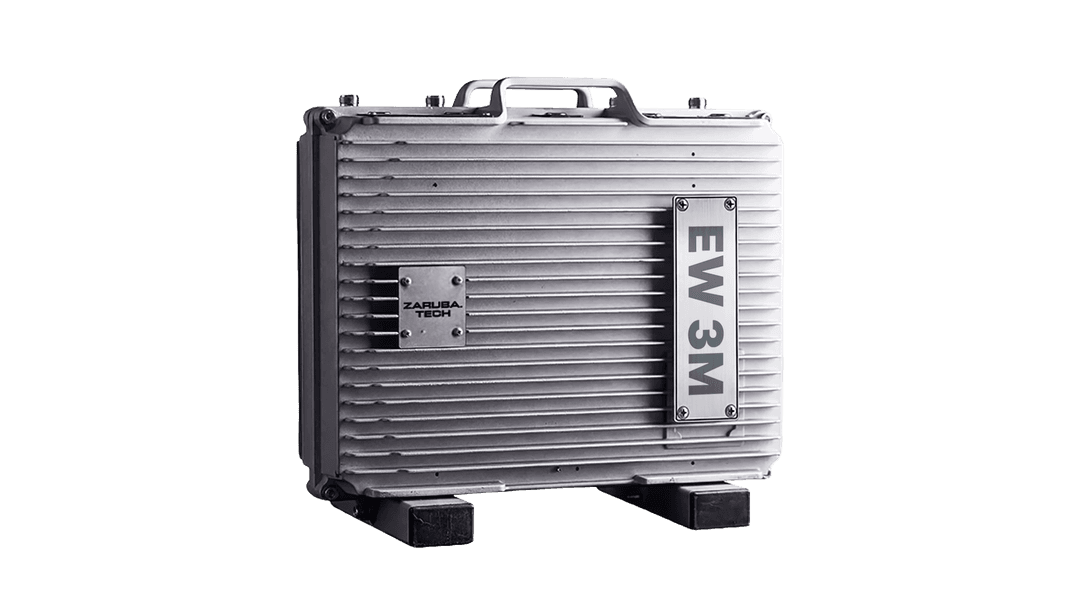
“Zaruba EW 3M” EW
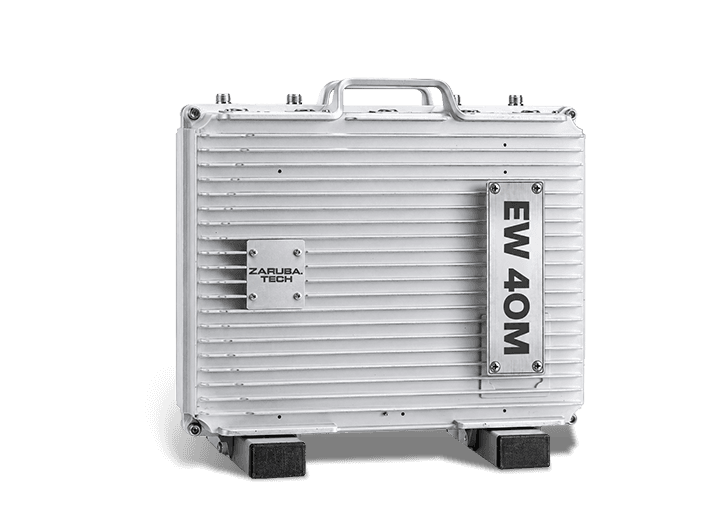
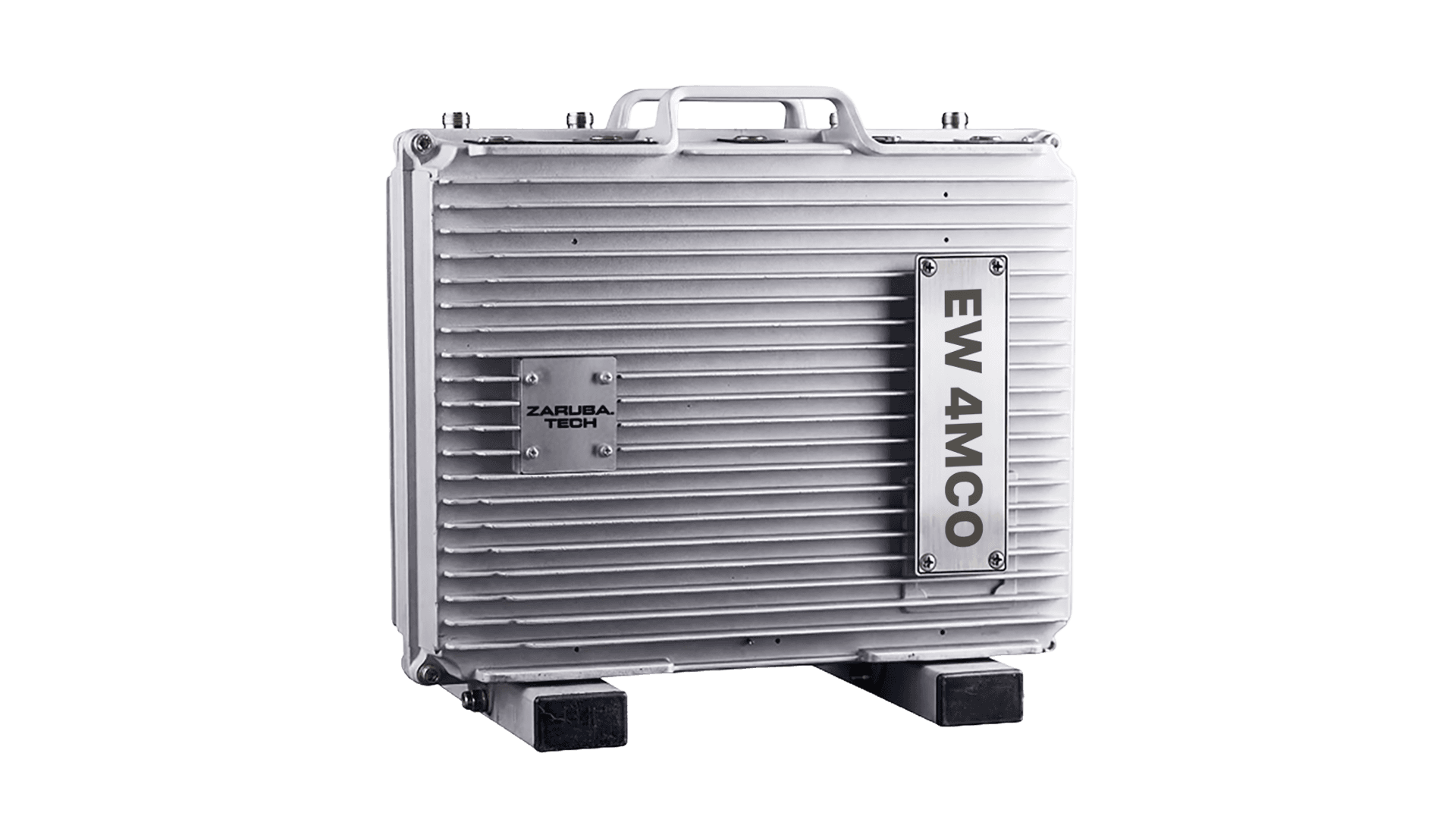
“Zaruba EW 4MO” EW
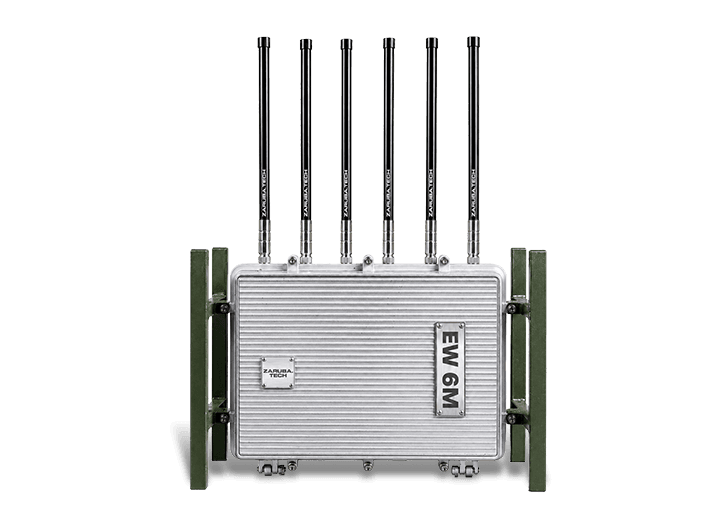
“Zaruba EW 6M” EW
Zaruba EW Warfare Systems for RF Jamming & Spectrum Control description
“Zaruba EW” is an electronic warfare system designed for the active suppression of control, data transmission, and navigation channels of unmanned aerial vehicles, including FPV drones and Mavic‑type quadcopters, across a wide operating frequency range. The device generates radio‑electronic interference within specified frequency bands, creating a field that blocks communication between the drone and its operator. As a result, the UAV loses stable control, which may lead to a forced landing, activation of the Return‑to‑Home (RTH) mode, or disruption of its mission. The system can operate in either selective suppression mode, targeting specific frequency bands, or in simultaneous mode with all active channels engaged, providing an extended protection zone and increased effectiveness by overlapping interference across multiple frequency ranges. The “Zaruba EW” system is designed for stationary, vehicle-mounted, and mobile deployment. The system is used to protect military facilities, equipment, transport convoys, infrastructure, positions, and personnel, as well as to cover observation posts, evacuation routes, and field fortifications.
Contact usKey features of Zaruba EW system drone detector
Suppression of UAV control and communication channels across a wide frequency range
Suppression of UAV control and communication channels across a wide frequency range
Technical characteristics of Zaruba EW system drone detector
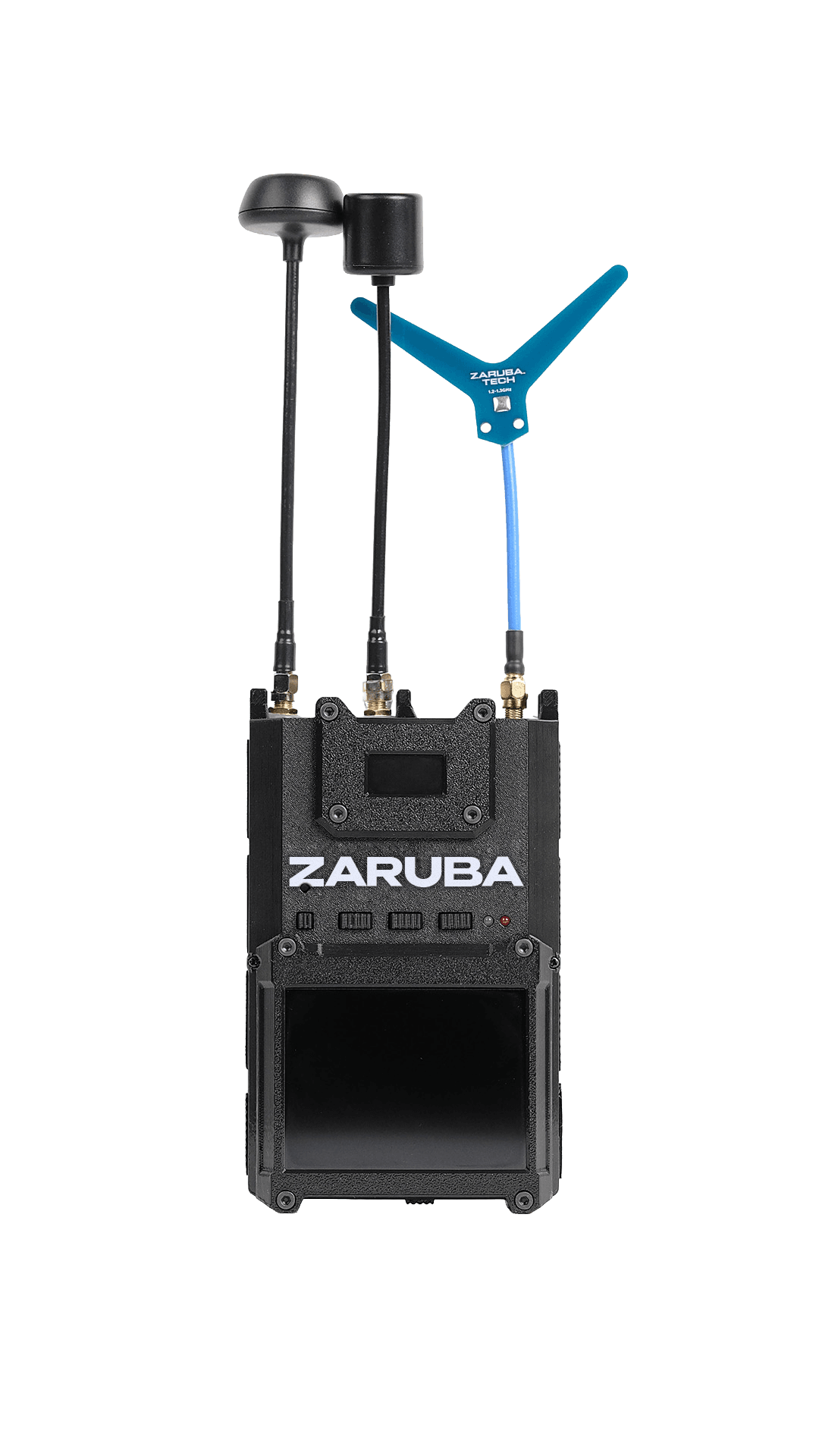
Antenna systems of various types (sector, quadrifilar, or helical) create either a directional or zonal radiation pattern, allowing interference to be effectively concentrated in areas where UAVs are likely to operate and increasing the neutralization range.
The active cooling system maintains a stable temperature for the electronic modules during prolonged operation and high power loads, preventing overheating and a decrease in emission efficiency.
The system’s operating temperature range is from -22 °F to 122 °F, ensuring stable performance in cold, hot, and rapidly changing temperature conditions during field and mobile operations.
The housing, made of heat-dissipating materials with an IP44–IP55 protection rating, provides resistance to dust, moisture, and mechanical impacts during outdoor operation.
The control system is implemented through individual switches, buttons, or a remote with active channel indicators, allowing the operator to quickly activate the required interference bands and monitor the device's operation in real time.
Mounting elements, in the form of brackets or magnetic fasteners, allow for quick installation on vehicles, poles, or stationary positions, enabling rapid deployment of the system without the need for additional tools.
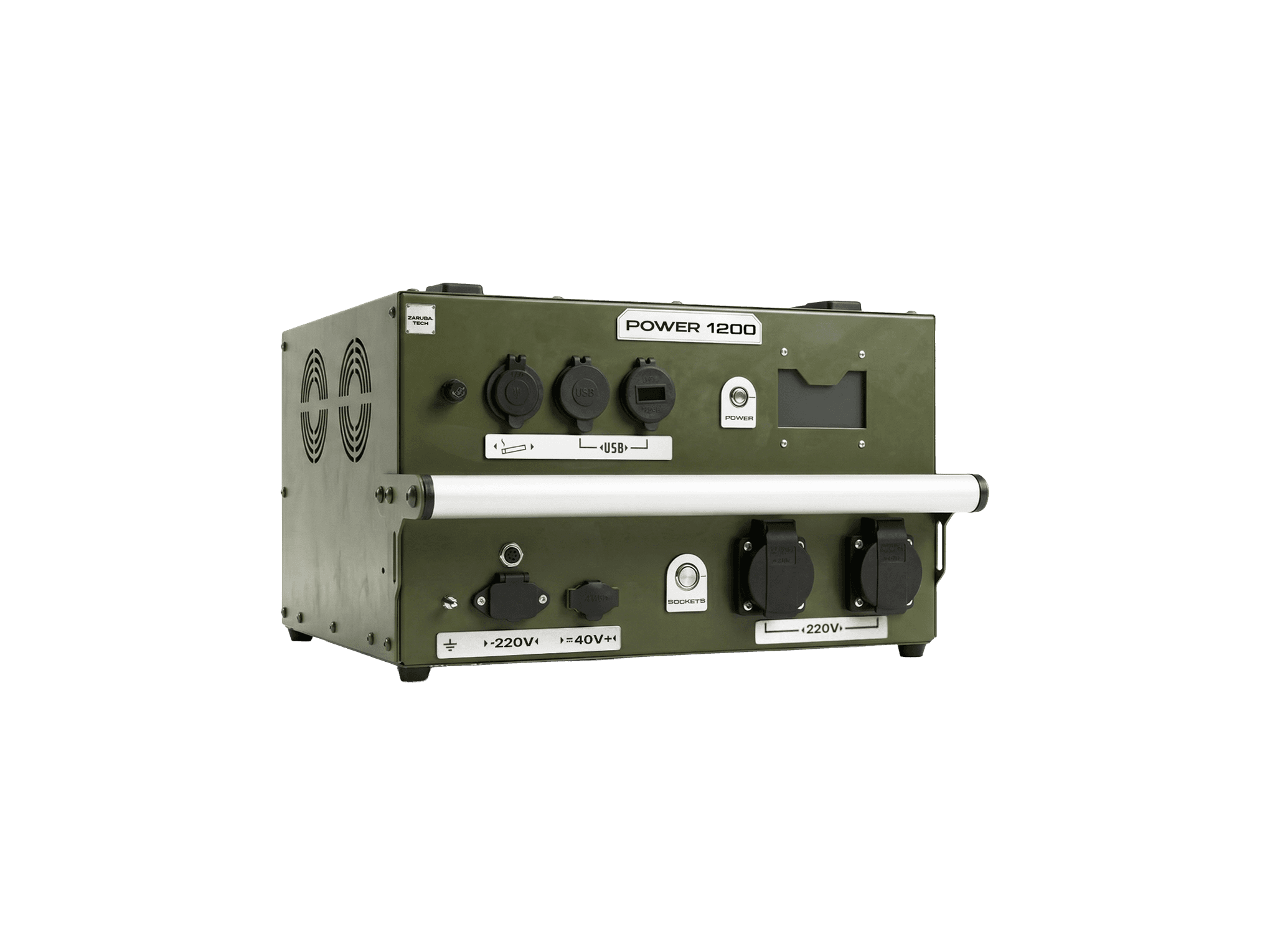
The power supply is designed to support connection to 220 V mains or to autonomous, onboard 20–36 V/28 V (depending on the model) sources, providing versatility for use in both stationary and mobile environments.
Production and technical support for the “Zaruba EW” system are provided by Zaruba Tech.
FAQ
The Zaruba EW system generates active electronic interference in specific frequency bands used by the control, data transmission, and navigation channels of unmanned systems. Depending on the model, the system can operate in ranges from 170 to 1050 MHz, as well as in the 2.4 GHz, 5.2 GHz, 5.8 GHz bands, and adjacent ranges. As a result, the drone loses stable communication with the operator, making its mission difficult or completely disrupting its execution.
The effectiveness of the Zaruba EW system is achieved through a combination of carefully selected frequency bands, sufficient emission power, and the appropriate type of antenna system. The lineup includes modules with 50–60 W power and complexes with total power up to 300 W, enabling operations against FPV drones at various distances. Specifically, the 3M, 4M, 4MO, 5ML, and 6M series models are designed to suppress FPV drones within designated operational bands.
Zaruba EW system can be deployed in stationary, vehicle-mounted, and mobile formats. Thanks to brackets, magnetic mounts, or backpack configurations, the system can be easily integrated into transport platforms, fixed positions, or mobile units. This allows it to be incorporated into a broader protection network for facilities, equipment, convoys, observation posts, and evacuation routes.
Different types of UAVs operate in various control and video transmission bands, so an effective EW system must cover multiple ranges. The Zaruba EW lineup includes models capable of suppressing both the lower frequency bands used by FPV drones and the typical 2.4 GHz and 5.8 GHz bands characteristic of Mavic-type drones. This allows system configurations to be tailored to specific threats and operational conditions.
The Zaruba EW system creates a controlled zone of electromagnetic influence within its operational frequency range, disrupting or blocking communication between a drone and its operator. This allows the system to protect equipment, positions, infrastructure facilities, transportation routes, and field fortifications from unmanned threats.
Signal intelligence enables the system to analyze and classify incoming signals. This allows for more accurate threat identification and reduces unwanted interference with friendly communication systems.
Mobile deployment allows the system to quickly change positions in response to evolving threats. This flexibility is crucial for covering different operational zones and adapting to dynamic battlefield conditions.
The effectiveness of the operation can be influenced by the intensity of the electromagnetic environment and weather conditions. That’s why Supremacy systems feature high-power modules, enclosures with IP44–IP55 protection, and an operating temperature range from -30 °C to +50 °C. This allows them to be used in open terrain and mobile conditions.
A stable power supply is critical for effective jamming. Depending on the model, the system can operate from a 220 V mains supply or from autonomous and onboard sources of 20–36 V / 28 V. Individual modules may consume up to 130 W, while multichannel systems can reach up to 900 W, so selecting the appropriate power source directly affects the duration and stability of the system’s operation.
Zaruba EW is designed as a specialized electronic warfare system with adaptive capabilities, modular integration, and real-time response. This makes it more effective against modern drone threats compared to basic or static signal jammers.