Drones are becoming increasingly common across commercial, industrial, and security environments, creating a growing need for reliable detection solutions. However, selecting the right drone detector requires more than comparing advertised detection distances or technical specifications.
A proper evaluation should consider the technology behind detection, supported frequency ranges, real-world performance, operational flexibility, and long-term manufacturer support. This article explains how to choose a drone detector by examining 10 key criteria that help organizations evaluate available solutions.
1. Detection Technology
The first factor to evaluate is the technology used to detect drones. Different systems rely on different detection methods, including radio frequency (RF) analysis, radar, optical sensors, acoustic detection, and combined approaches.
RF drone detectors analyze communication signals between drones and their controllers. This approach is particularly effective for identifying many consumer and FPV drones that rely on wireless links for control and video transmission.
When comparing solutions, it is important to understand RF detection versus radar. RF detectors passively monitor electromagnetic signals generated by drone communication systems, while radar actively transmits signals and detects physical objects by analyzing reflected waves. These technologies provide different types of information and may be used separately or together depending on operational requirements.
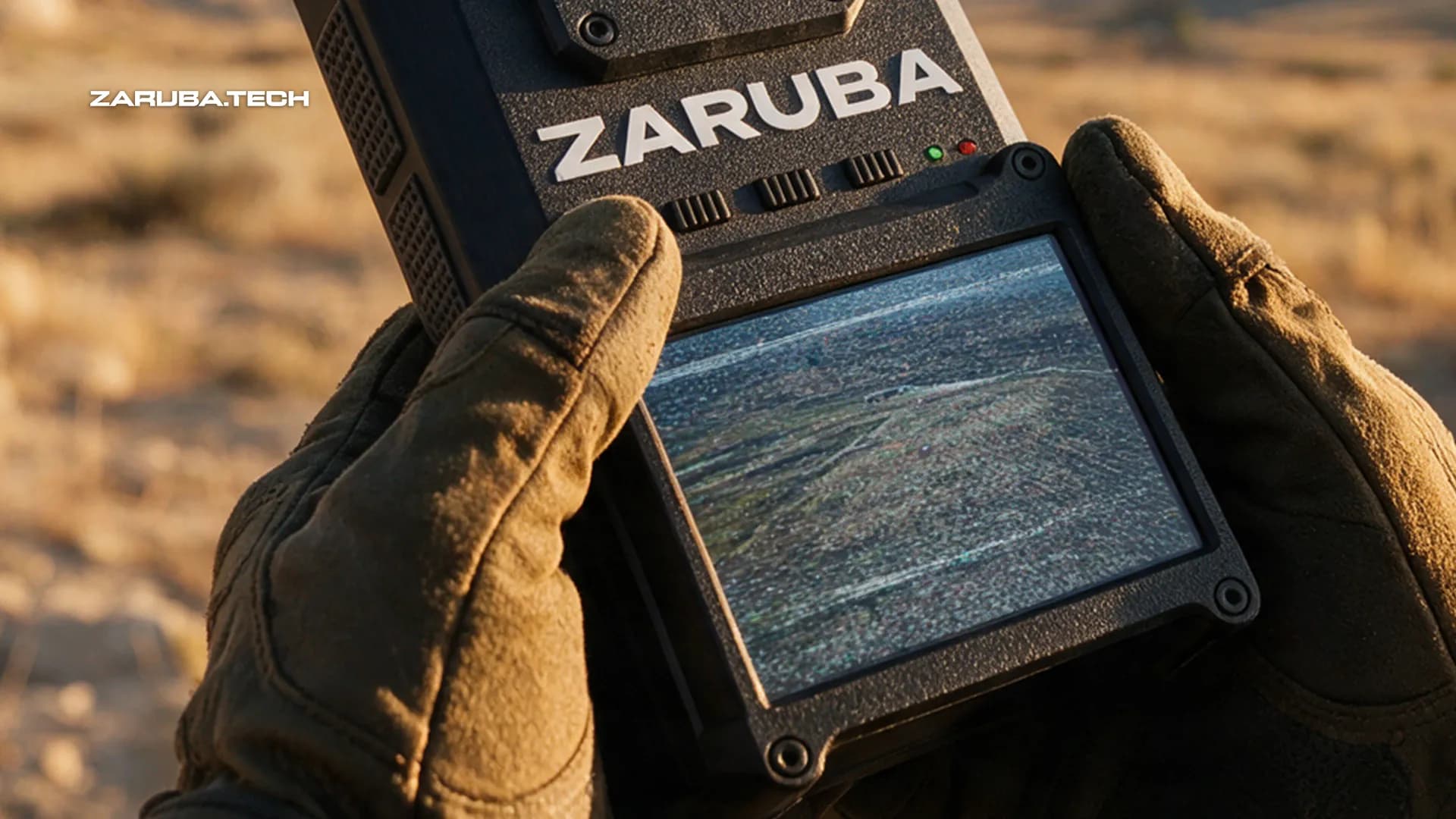
For example, the Zaruba A3 uses passive RF detection technology to analyze drone-related signals without transmitting or interfering with communications. This allows operators to monitor drone activity while maintaining a low electromagnetic footprint.
2. Frequency Coverage
A drone detector’s frequency coverage determines which types of drones and communication systems it can identify. Modern drones may use different frequency bands for control links, telemetry, and video transmission.
When evaluating a detector, consider whether it covers commonly used drone frequencies, such as:
- 900 MHz ranges used by some control systems
- 1.2 GHz communication bands
- 2.4 GHz control frequencies
- 5.8 GHz FPV video and control bands
Wider frequency coverage generally improves detection capability across different drone platforms. For instance, Zaruba A3 configurations support monitoring of 1.2 GHz, 3.3 GHz, and 5.8 GHz frequency ranges, allowing detection of various RF signals associated with drone activity.
However, frequency coverage alone does not guarantee performance. Signal processing quality and the ability to distinguish drone signals from background RF activity are equally important.
3. Real-World Detection Range
Detection range is one of the most frequently compared specifications, but it should always be evaluated in the context of real operating conditions.
The actual range depends on multiple factors, including:
- Drone model and transmitter power
- Frequency band being used
- Terrain and obstacles
- RF interference
- Weather conditions
- Detector antenna configuration
Manufacturers should provide information about how range measurements were obtained and what drone types were tested.
The Zaruba A3 can detect drone-related RF activity at distances of up to 2.5 miles under suitable conditions. However, as with any RF-based system, real-world results depend on the surrounding environment and signal characteristics.
4. Scan Speed
Scan speed affects how quickly a detector can identify potential drone activity after signals appear.
A fast scanning system is especially important in dynamic environments where drones may enter monitored areas with little warning. Effective solutions should provide rapid detection while minimizing false alerts.
Key factors to evaluate include:
- Detection response time
- Continuous scanning capability
- Ability to monitor multiple frequency ranges
- Signal processing efficiency
A detector that scans quickly helps operators react faster and improves overall situational awareness. According to A3 technical specifications, the device scans the whole spectrum within 4-8 seconds.
5. Passive vs Active Operation
Another important consideration is whether the detector operates passively or actively.
Passive RF detectors receive and analyze existing signals without transmitting their own signals. This provides several advantages:
- No interference with communication systems
- Reduced electromagnetic visibility
- Suitability for sensitive environments
- Lower operational complexity
Active systems, such as radar, transmit signals to detect physical objects. They can provide information about object location and movement but operate based on a different detection principle.
Understanding the difference between passive and active technologies helps organizations select solutions that match their security requirements.
6. Portability
The required form factor depends on how and where the detector will be used. Fixed systems may prioritize wide-area coverage, while field teams often require lightweight and rapidly deployable equipment.
Important portability factors include:
- Device size and weight
- Deployment speed
- Outdoor durability
- Ease of operation
A handheld detector should allow operators to quickly monitor an area without complex installation.
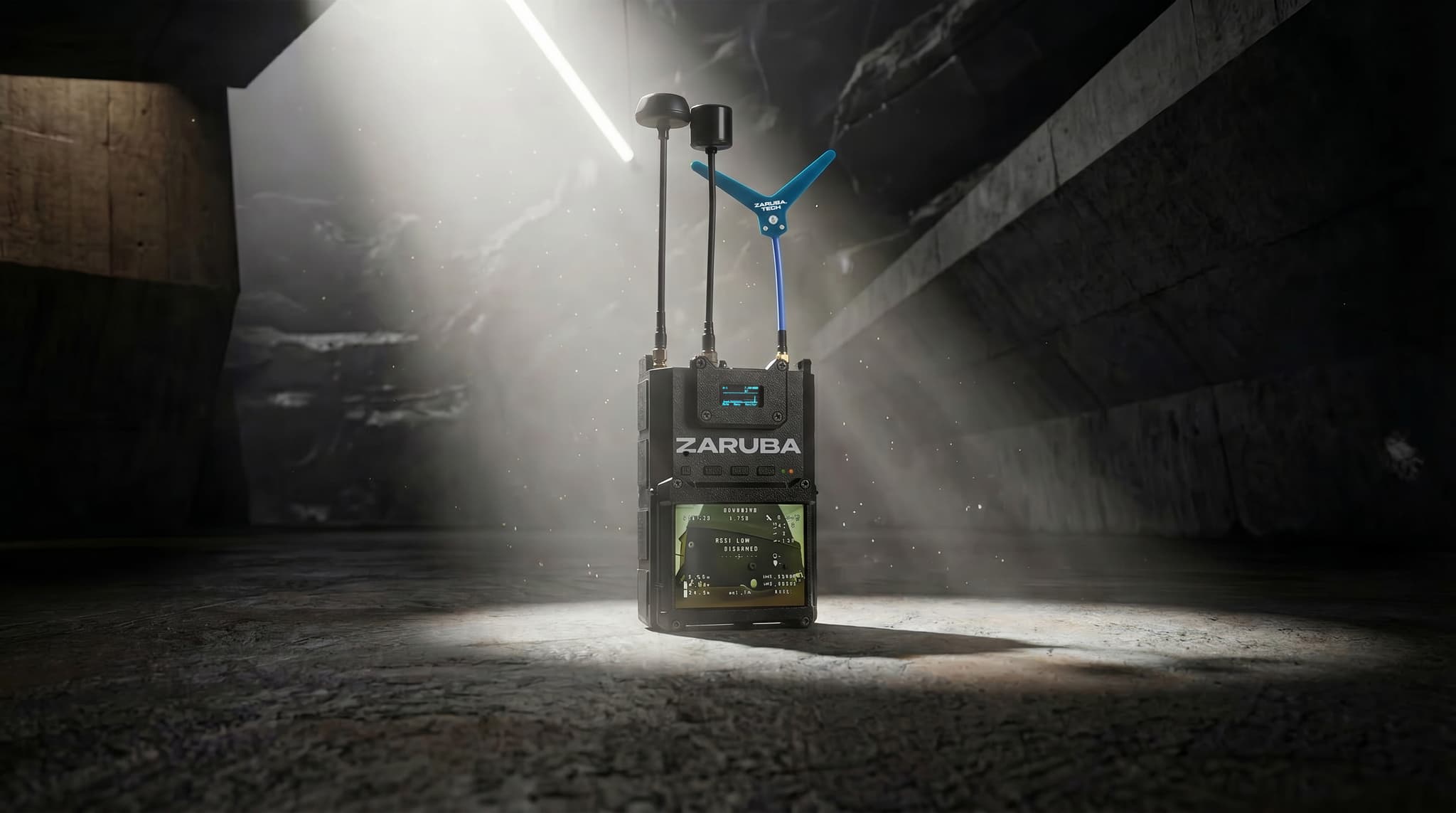
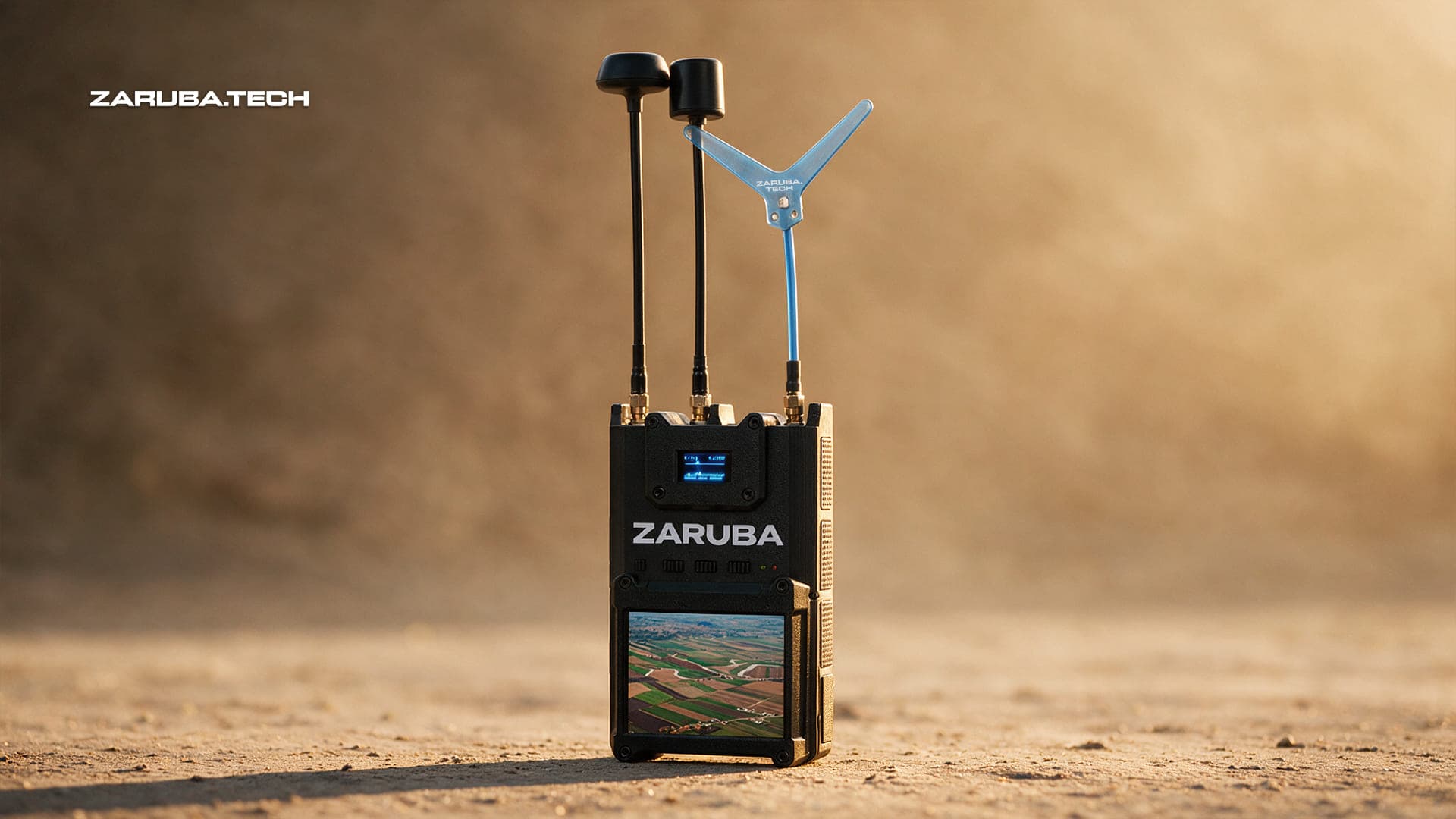
The Zaruba A3 is a portable solution, measuring approximately 3.7 × 6.2 × 1.9 inches (excluding antennas and additional equipment) and weighing up to 23 oz. Its IP54-rated enclosure provides protection against dust and water exposure, making it suitable for outdoor use in various conditions.
7. Battery and Endurance
Battery performance directly affects operational flexibility, especially for mobile teams.
When evaluating battery capabilities, consider:
- Continuous operating time
- Battery replacement options
- Charging requirements
- Performance in different temperatures
A detector intended for field operations should provide enough endurance for planned monitoring tasks.
The Zaruba A3 uses a 4500 mAh battery and is designed to support portable operation up to 6 hours without requiring a constant power source.
8. Alerting Capabilities
Detection is only useful when operators can quickly understand and respond to alerts.
A capable drone detector should provide clear information, such as:
- Detection notifications
- Signal frequency identification
- Signal strength indicators
- Visual and audio alerts
- Integration options with other monitoring systems
Good alerting capabilities reduce operator workload and help distinguish potential drone activity from normal RF background noise. Zaruba A3 has two screens and LED indicators to display detection information, monitor device status, and provide visual alerts during operation.
9. Antenna Configuration
The antenna system directly affects detection sensitivity, frequency performance, and overall coverage.
When evaluating antenna configuration, consider:
- Number of antennas
- Supported frequency ranges
- Omnidirectional or directional design
- Replacement and maintenance options
Multi-band antenna systems can improve detection capabilities by allowing monitoring across several frequency ranges.
The Zaruba A3 uses a tri-band antenna configuration designed for different frequency ranges. Depending on the model configuration, it includes dedicated antennas for monitoring 1.2 GHz, 3.3 GHz, and 5.8 GHz signals, helping operators detect a wider variety of drone communication systems.
10. Testing, Support and Updates
Drone technology changes quickly, so long-term support should be included in any evaluation process.
Before purchasing a detector, organizations should ask:
- How often are firmware updates released?
- Are new drone protocols supported?
- What technical assistance is available?
- Is operator training provided?
- What warranty terms are included?
Regular updates help maintain detection performance as drone technologies and RF environments evolve.
The Zaruba A3 supports offline firmware updates through its application, allowing the system to receive improvements without requiring a constant internet connection.
Questions to Ask a Drone Detector Manufacturer
Creating a detailed detector procurement checklist helps organizations compare solutions based on operational needs rather than marketing claims.
Before selecting a drone detector, consider asking the manufacturer:
- What detection technology does the system use?
- Which frequency ranges are covered?
- What drone models were used during testing?
- How is detection range measured?
- Does the system operate passively or actively?
- How does it handle RF interference?
- What updates are included after purchase?
- What support is available after deployment?
- Can the detector integrate with other security systems?
These questions help identify whether a solution matches the intended application and operating environment.
Working directly with Zaruba Tech, a manufacturer of Zaruba A3, gives you access to in-house engineering, customization, and technical support. This direct collaboration helps tailor drone detection solutions to specific operational requirements and integration needs.