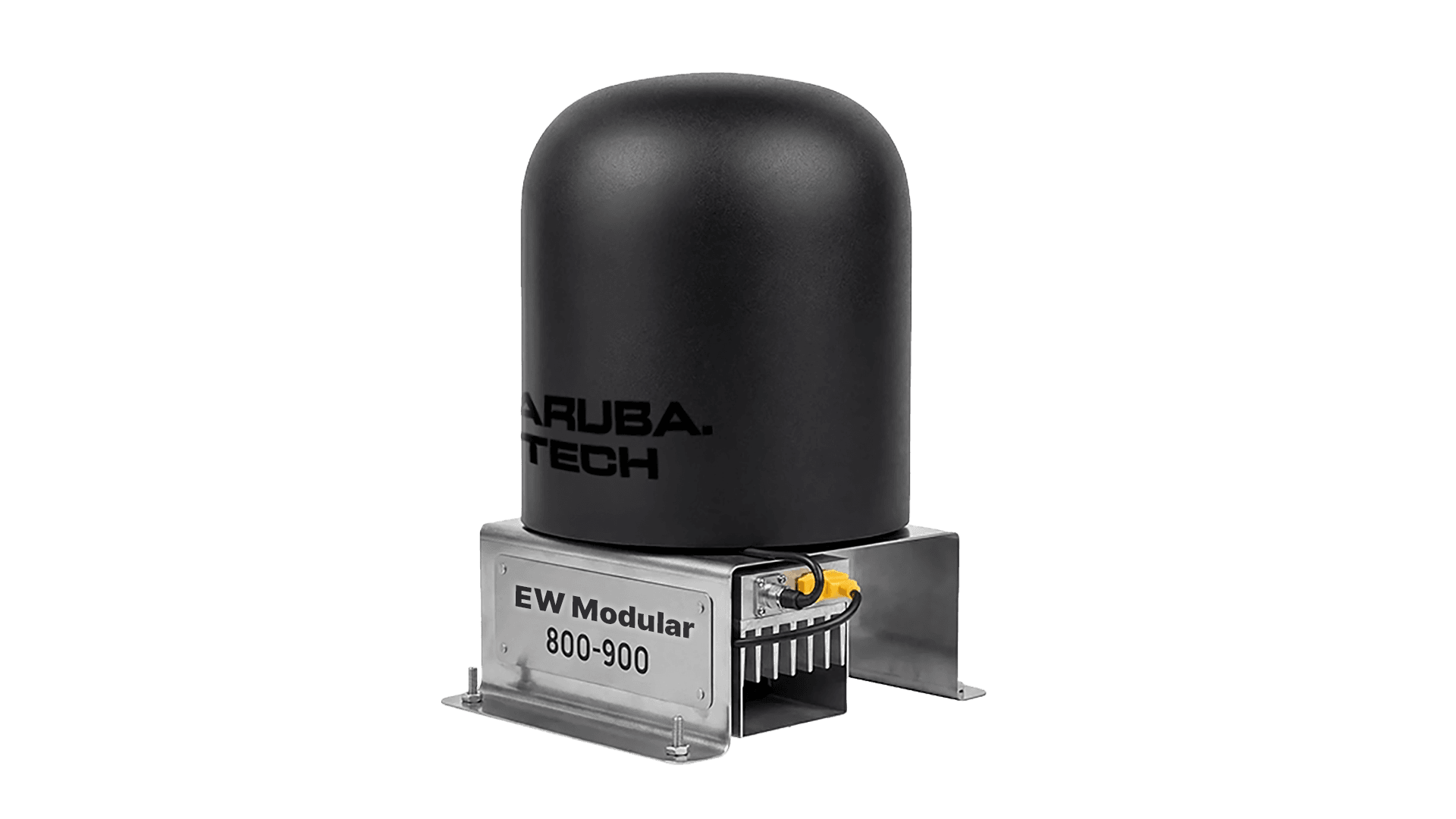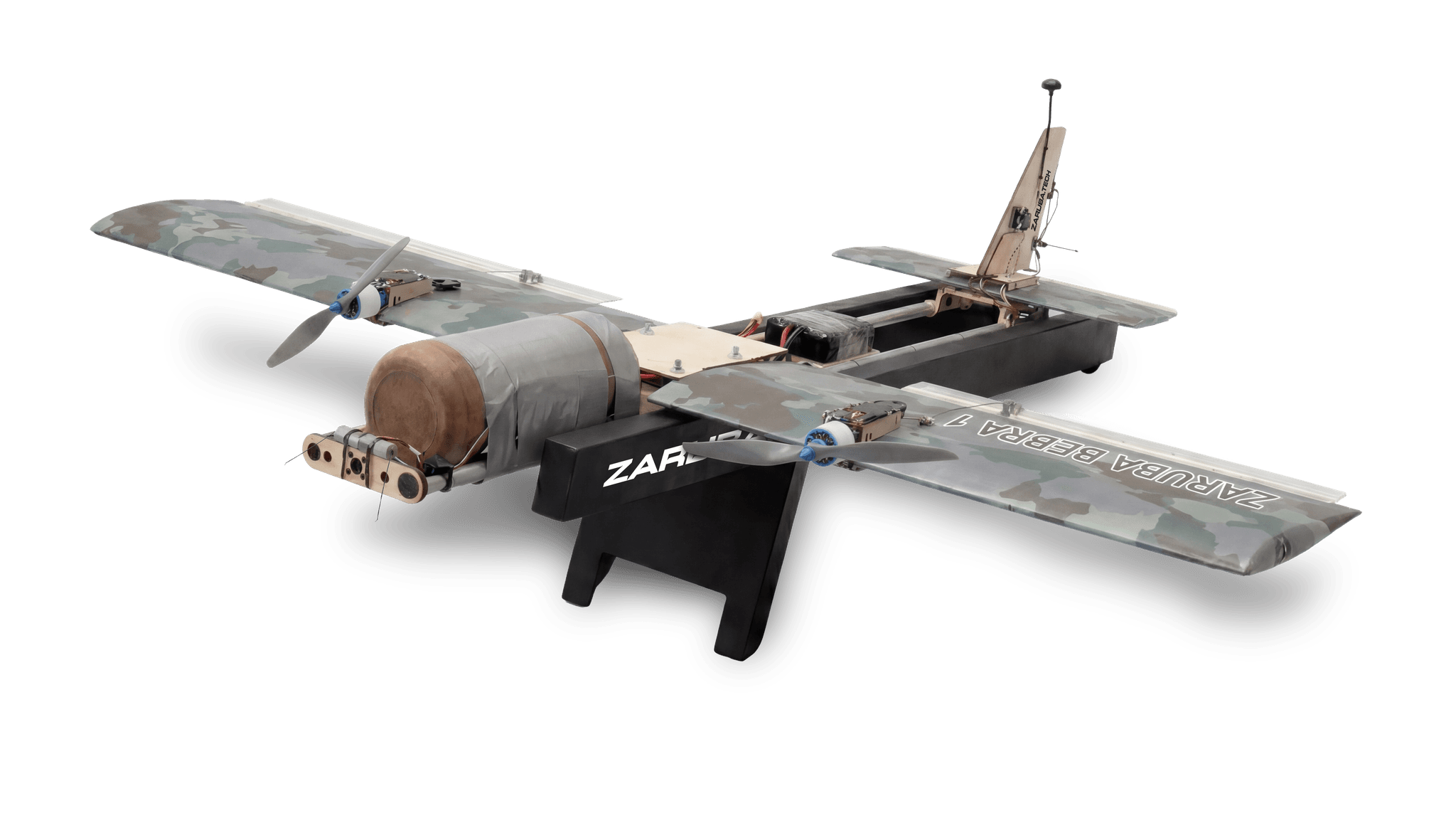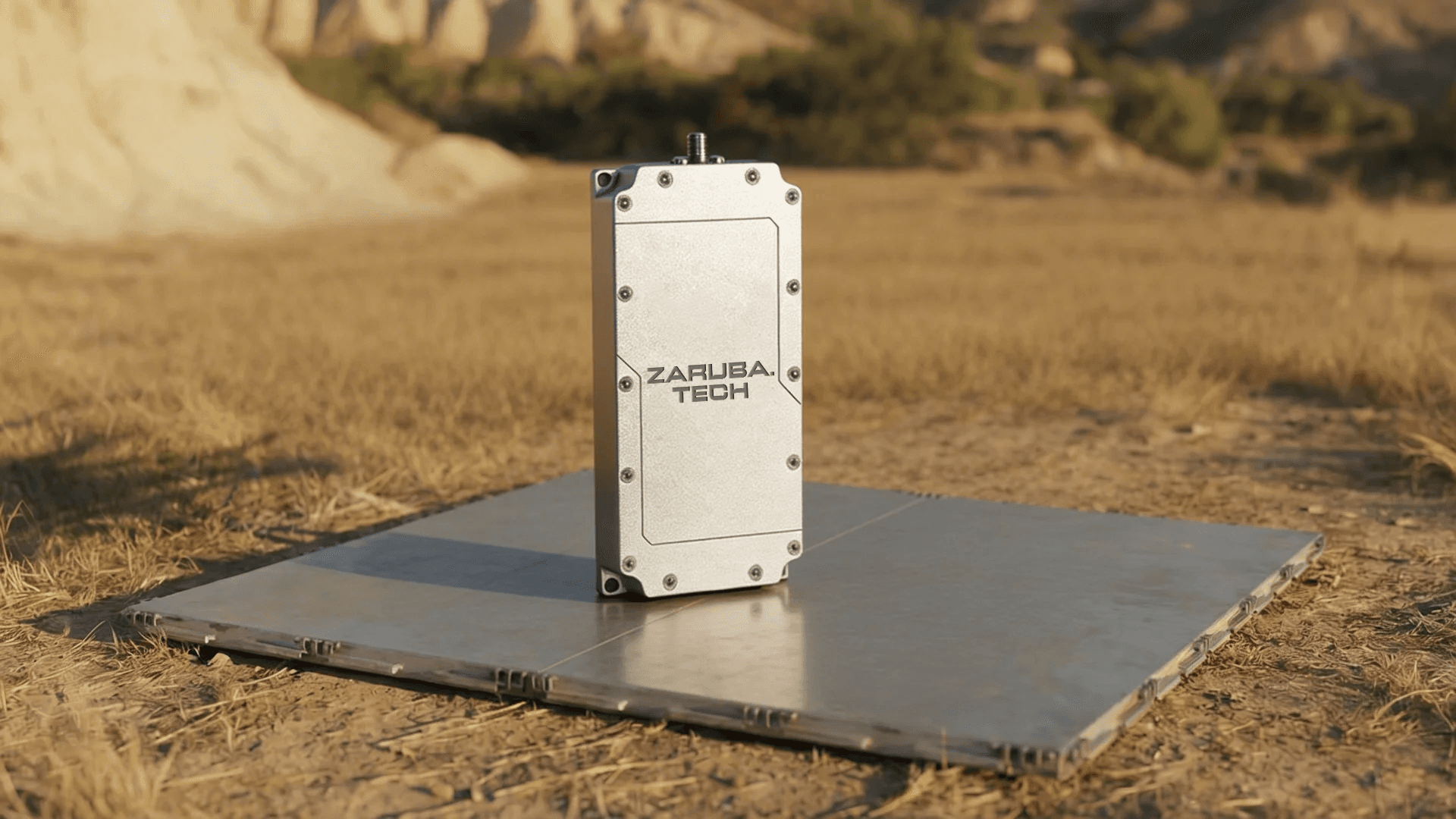
Modules for EW Systems for RF Jamming & Signal Processing
Modular electronic warfare jamming units designed to suppress control and telemetry channels of unmanned and radio‑controlled systems within specified frequency ranges by generating dense broadband interference.
Video review of the device
[ Video review ]
Modification of Modules for EW systems
EW Module 220–300 MHz
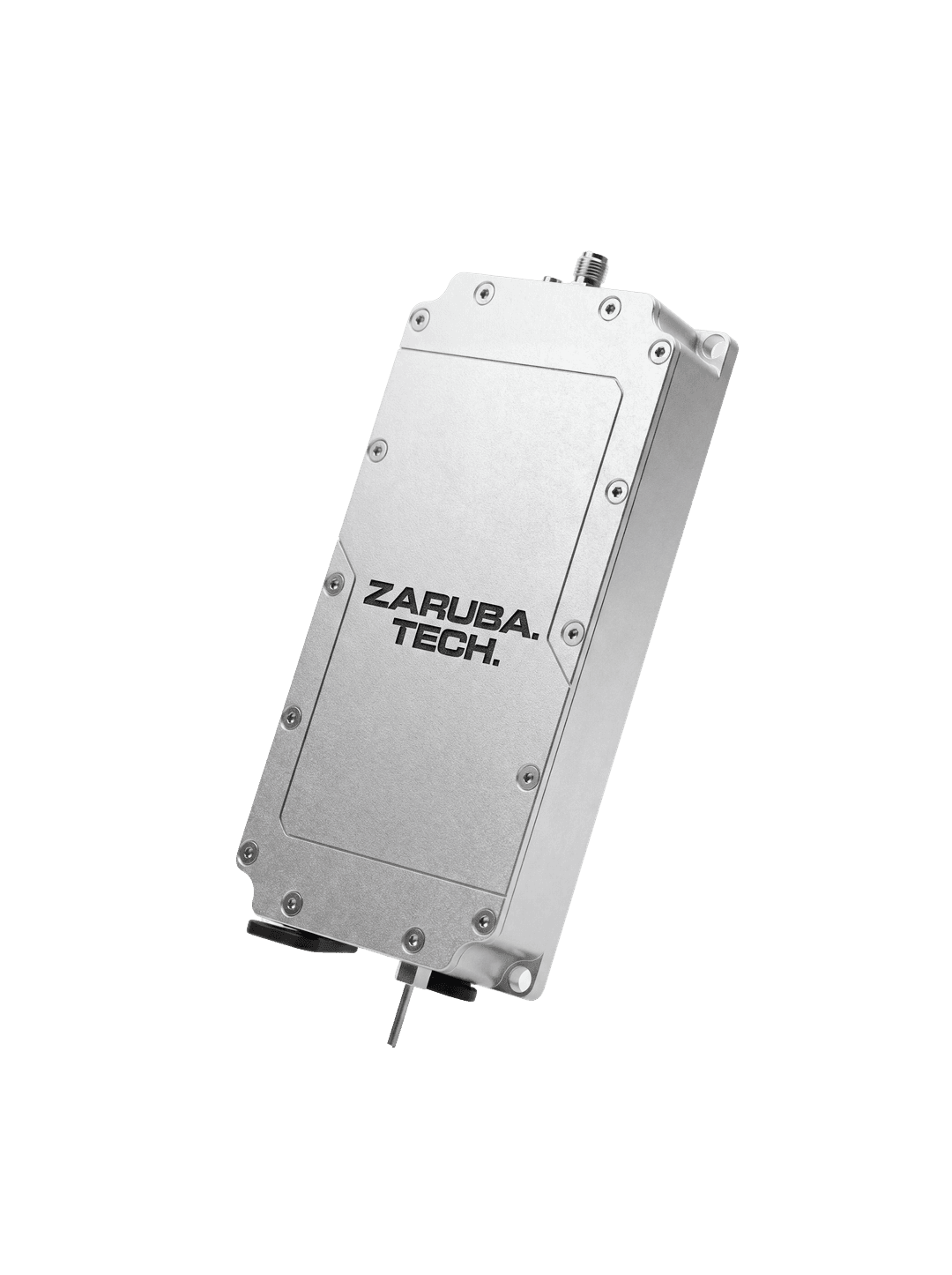
EW Module 300–400 MHz
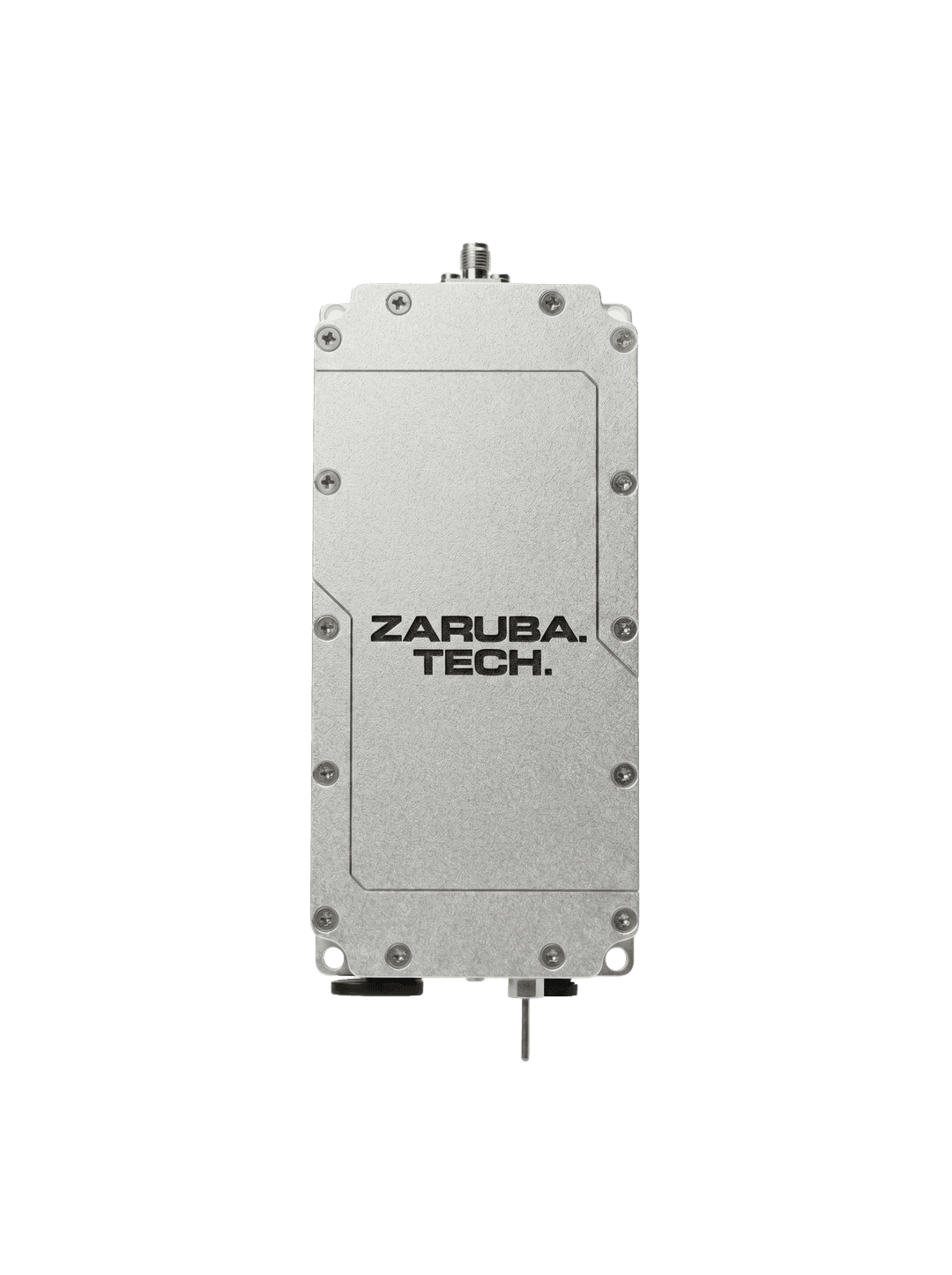
EW Module 400–500 MHz
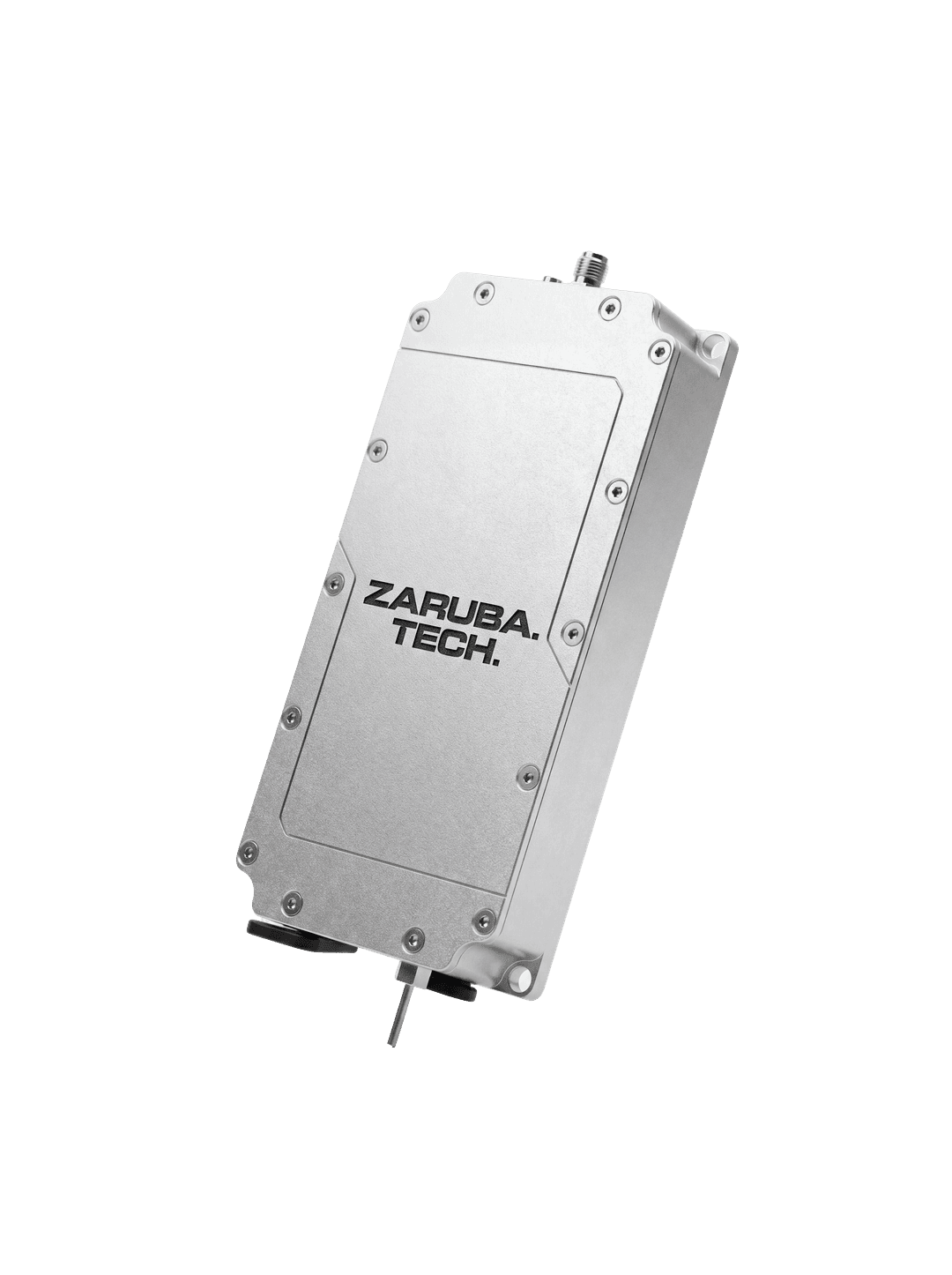
EW Module 500–600 MHz
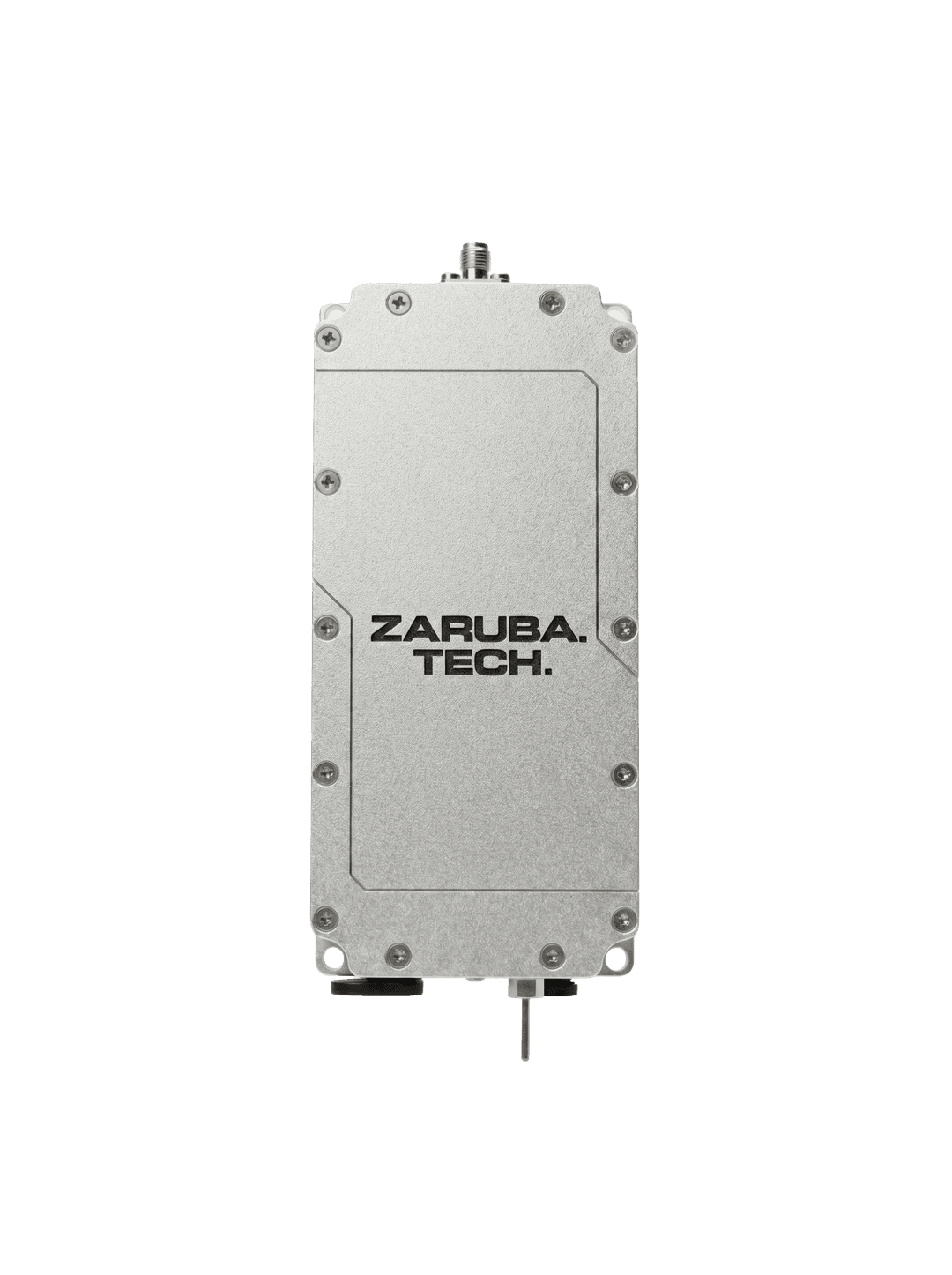
EW Module 600–700 MHz
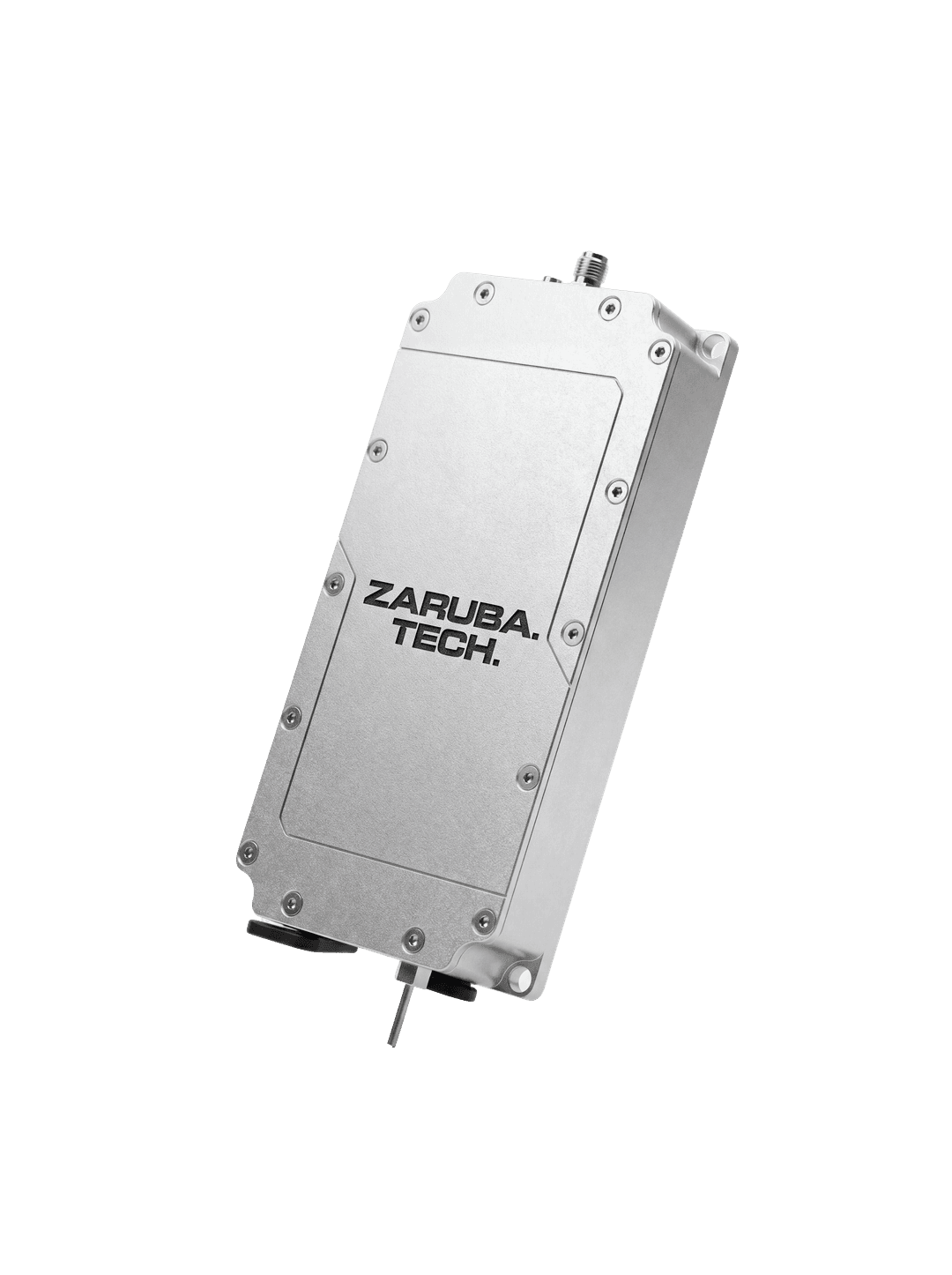
EW Module 700–810 MHz
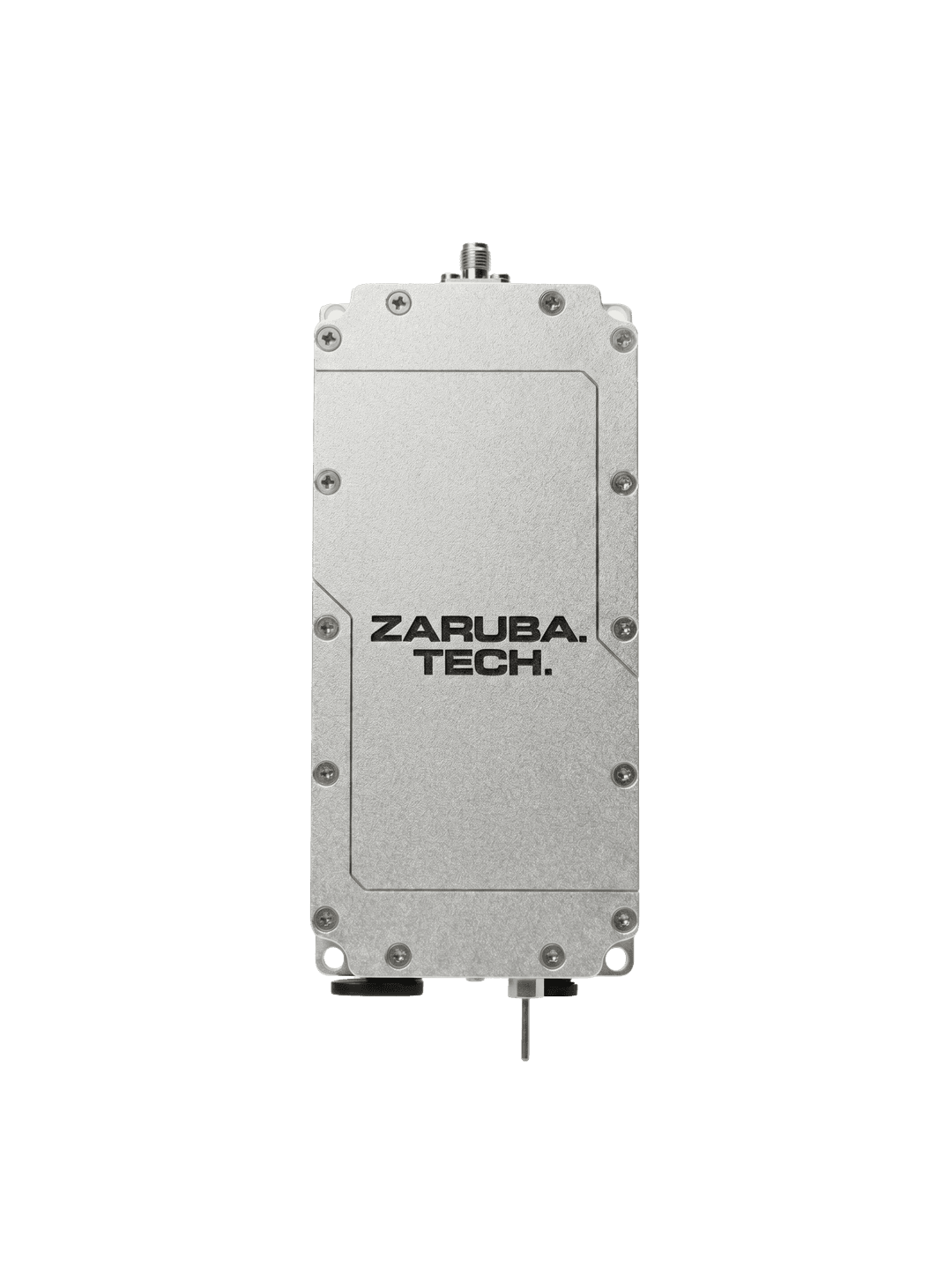
EW Module 830–930 MHz
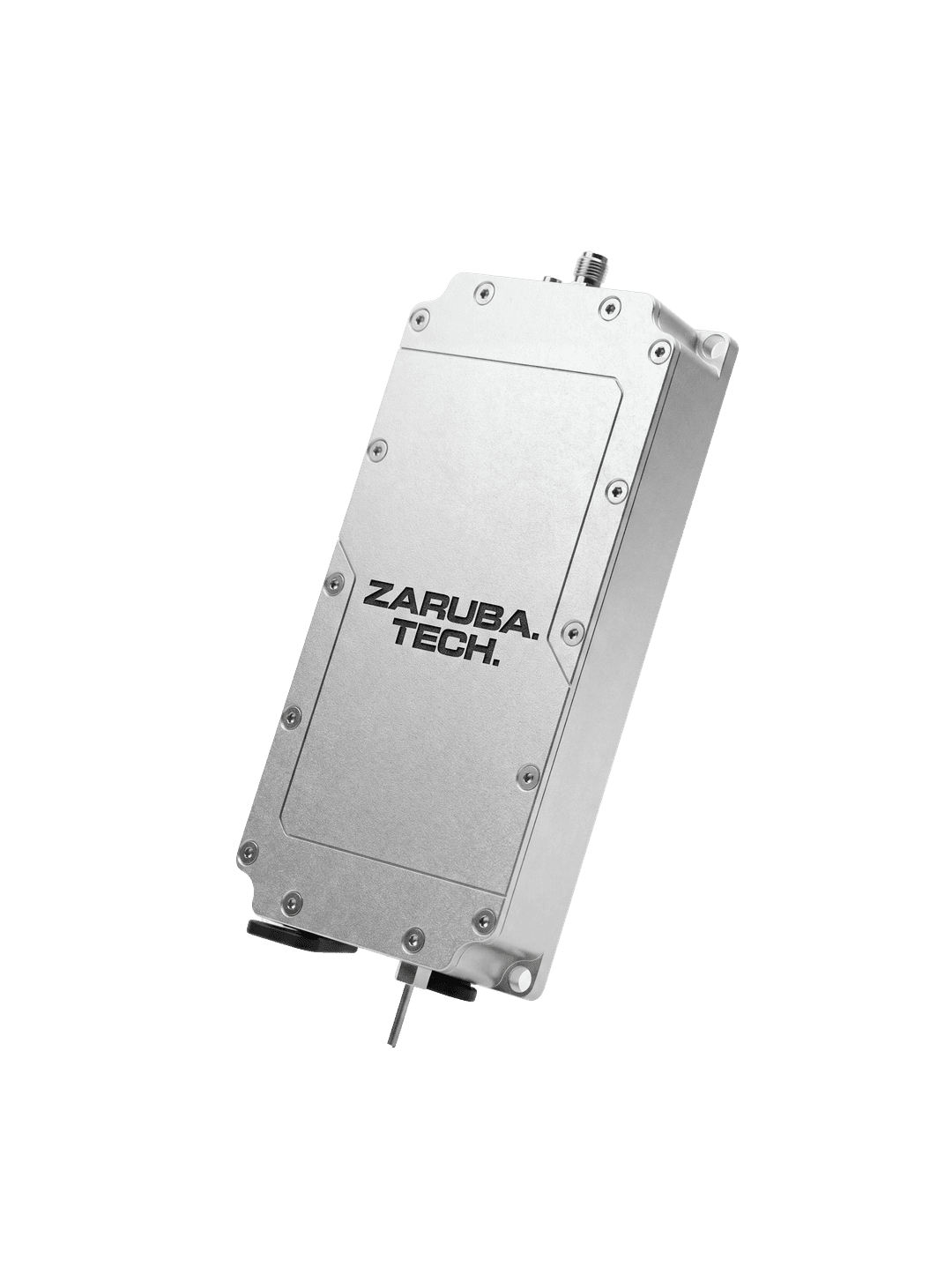
EW Module 930–1050 MHz
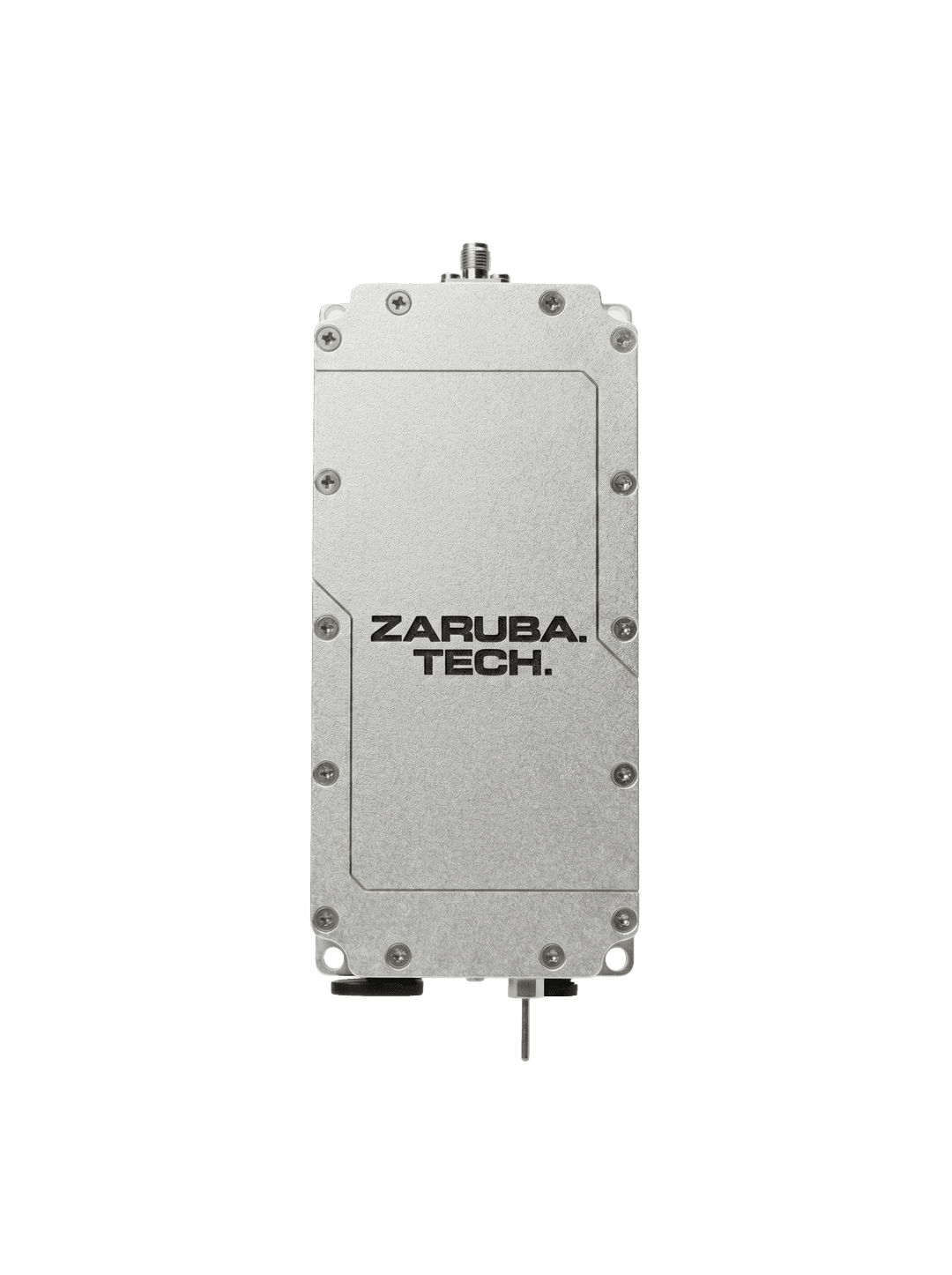
Modules for EW systems description
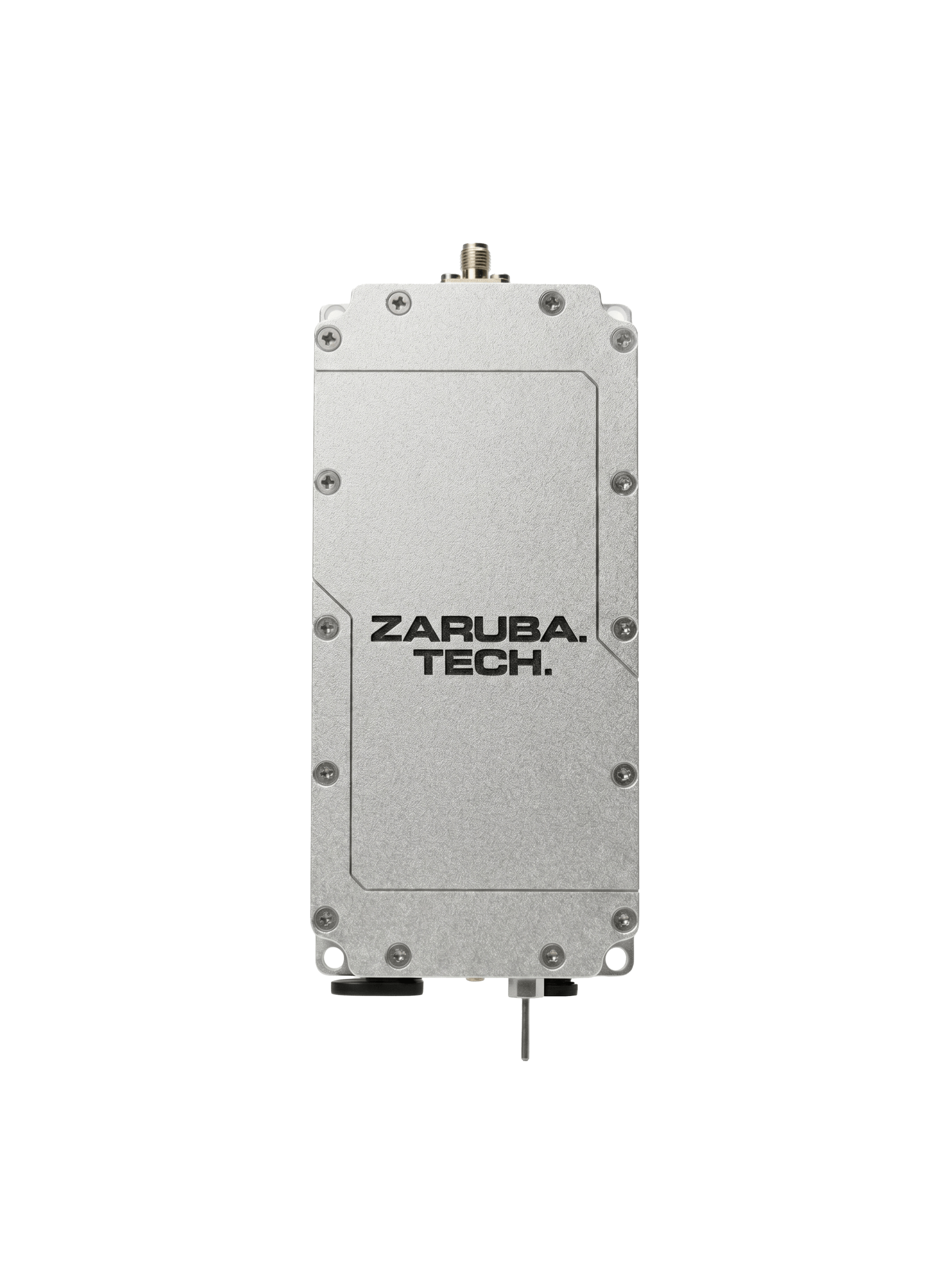
Modules for EW systems are replaceable radio-frequency units that generate jamming signals within a defined frequency band to suppress control channels.
The systems are used to create a protective radio-frequency field around facilities, positions, or mobile units, reducing the effectiveness of the enemy's remote control and signal transmission.
The modules are compatible with existing EW platforms and can be integrated into other systems without the need for structural modifications, allowing for possible minor shifts of the operating band within technical tolerances.
Key features of Modules for EW systems
Suppression of UAV control channels within specified frequency ranges
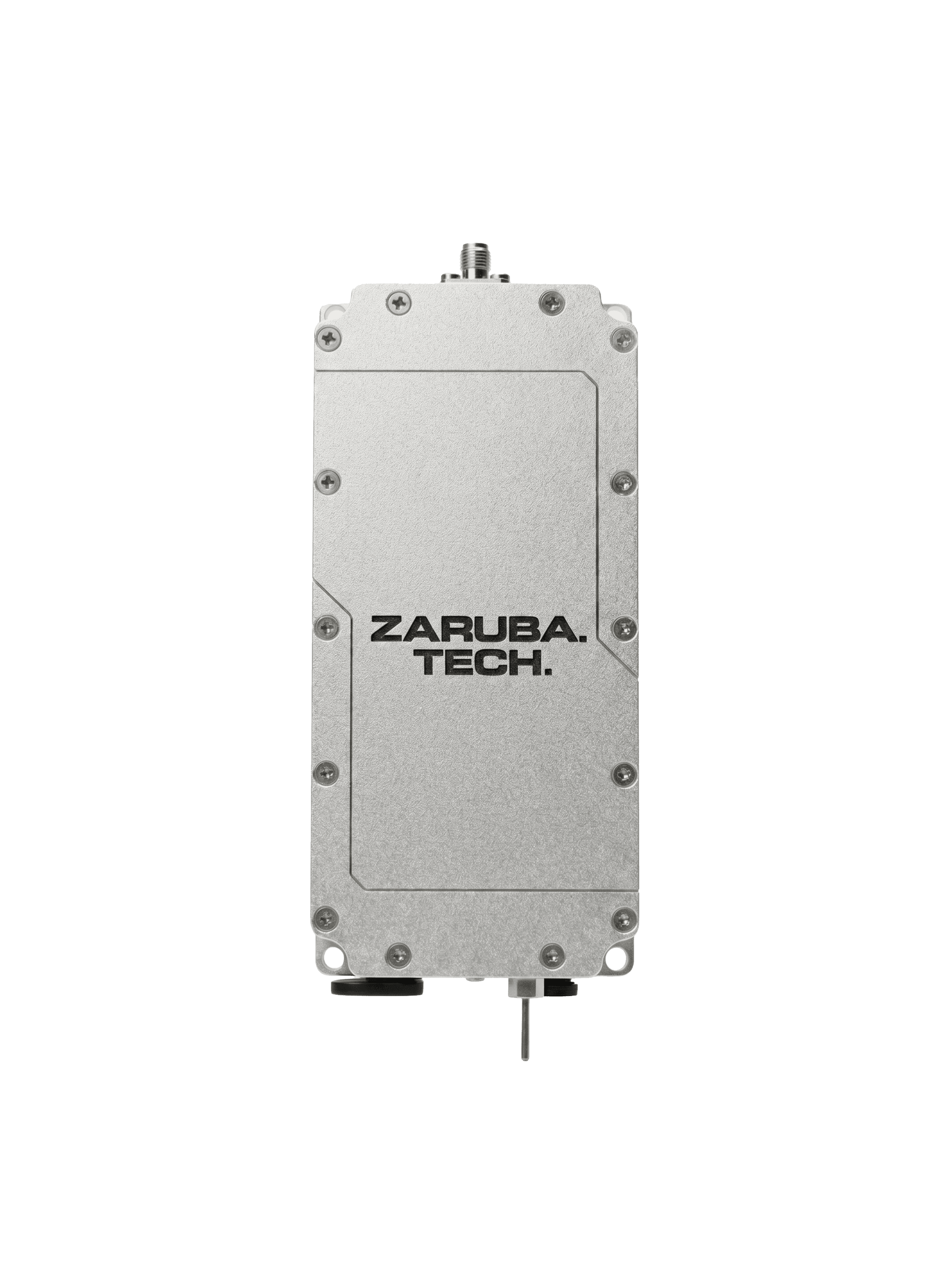
Suppression of UAV control channels within specified frequency ranges
The performance of an EW system depends not only on its jamming modules but also on the antennas used to transmit and shape RF signals. A dipole antenna can support broad signal reception and transmission, while a Yagi antenna can provide more focused directional radiation for applications where greater signal concentration is required.
Technical characteristics of Modules for EW systems
The output power of the modules consistently exceeds 50 W and, in some versions, reaches up to 60 W, ensuring a high level of interference within the operating band and improving the effectiveness of control channel suppression.
When threshold values are exceeded (SWR > 1.6), the system automatically reduces power to protect internal components and extend operational lifespan.
Each module undergoes individual calibration and parameter testing on professional measurement equipment, ensuring predictable batch performance and stable operation under combat conditions.
All mechanical connections are secured with locking fasteners, reducing the impact of vibrations and transportation on contact groups and ensuring overall assembly reliability during operation.
The production and technical support of modules for EW systems are provided by Zaruba Tech.
FAQ
EW modules generate jamming signals within specified frequency ranges, allowing suppression of control, telemetry, and data transmission channels. This limits the operation of enemy drones and communication systems, while ensuring greater stability for friendly systems in the spectrum.
The modules perform a key function—creating a dense jamming field within their frequency band. Each unit operates within a specific range (for example, from 170 to 1050 MHz), and together they cover the necessary frequencies for effective signal suppression.
Modular architecture allows updating, replacing, or expanding the system without a complete platform overhaul. This flexibility ensures rapid adaptation to new threats and reduces downtime during critical operations.
Modules effectively neutralize drones by jamming their control and data transmission channels. This causes the UAVs to lose control or connection with the operator.
The modules allow control over spectrum usage by generating interference specifically in the frequency bands used by the enemy. This reduces congestion in the airwaves and enables more effective separation of friendly and hostile signals.
Thanks to their modular design, the modules can be easily integrated into mobile or stationary EW systems. They can be quickly installed or replaced in the field without complex preparation.
The modules are designed for stable operation under load and in field conditions. They maintain their effectiveness even during prolonged use, generating a consistent jamming field across their frequency range.
The use of EW modules within EW systems allows operators to monitor active frequencies through jamming. This helps them understand which channels the enemy is using.
Yes, the modules can be easily integrated into various EW platforms—mobile systems, stationary setups, or vehicle-mounted solutions. A standardized connection format allows them to be combined with each other.
Performance is enhanced by replacing or adding modules for the required frequency ranges. This allows the system to be gradually expanded and adapted to new signal types without modifying the entire platform.