Dipole Antenna for RF Communication & Signal Stability
A dipole antenna is a simple and widely used antenna consisting of two conductive elements that transmit and receive radio signals. It offers reliable, omnidirectional coverage, making it suitable for a variety of communication and broadcasting applications.
Modification and technical characteristics
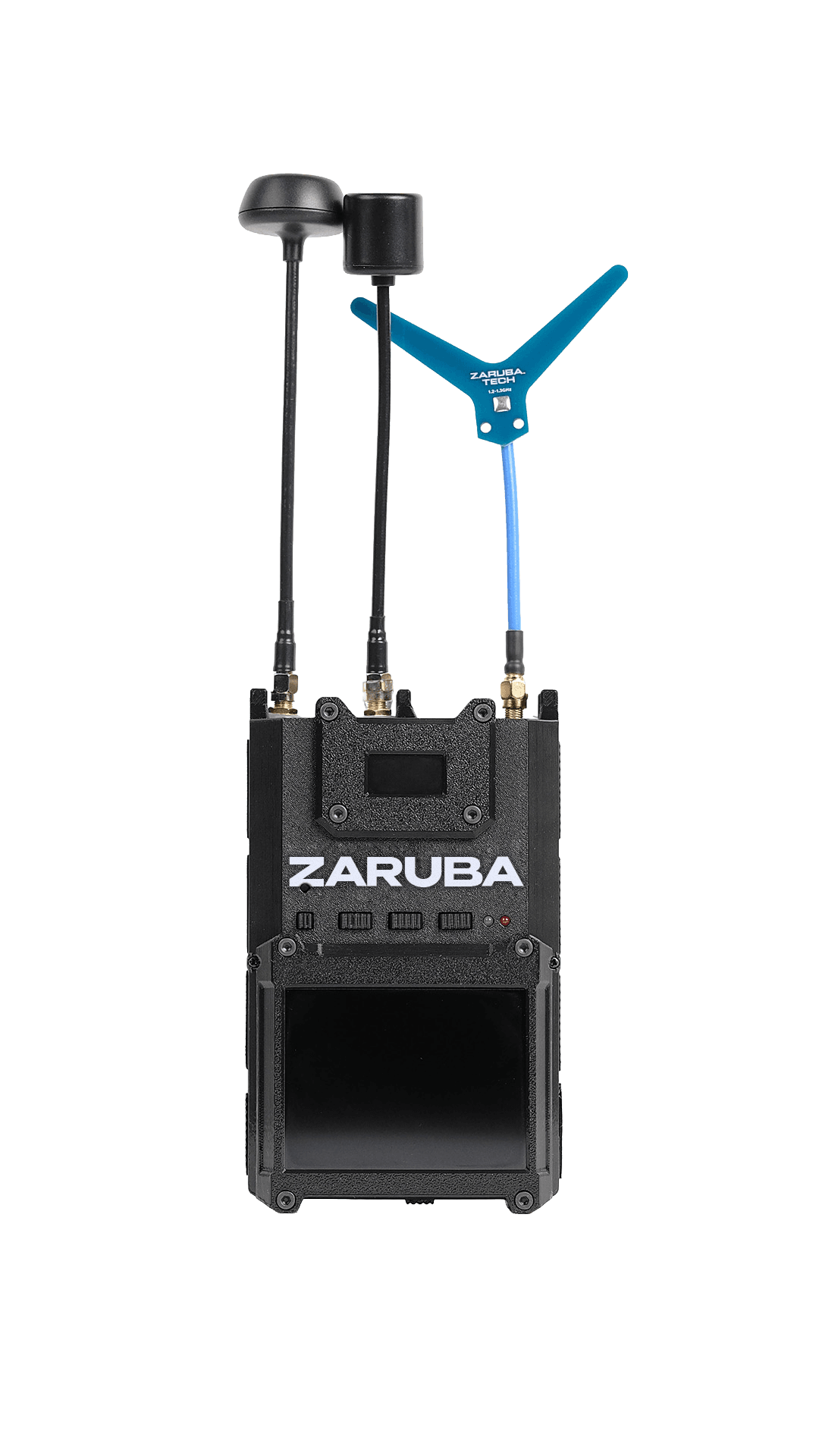
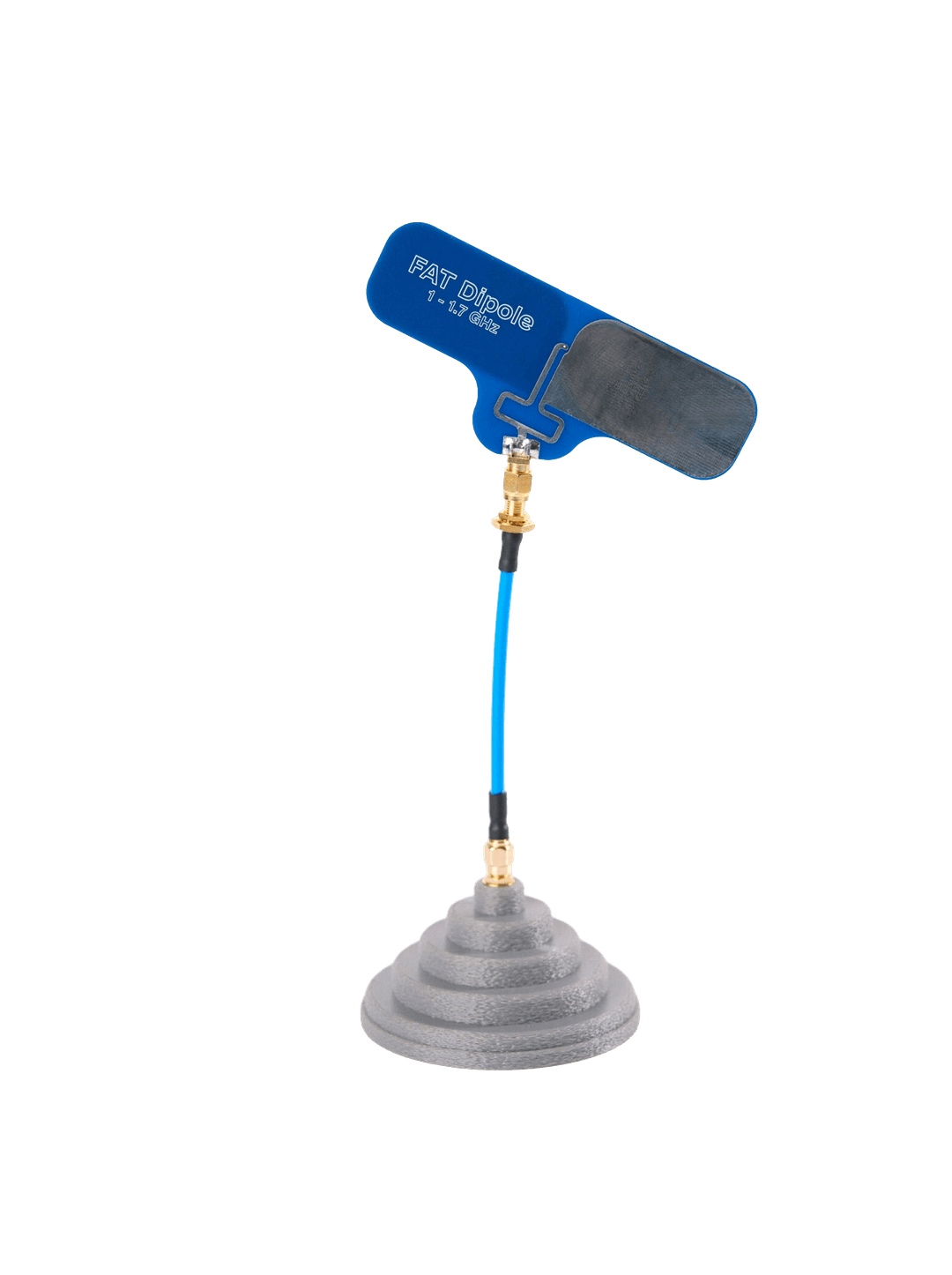
PCB VeeDip dipole antenna
General device description
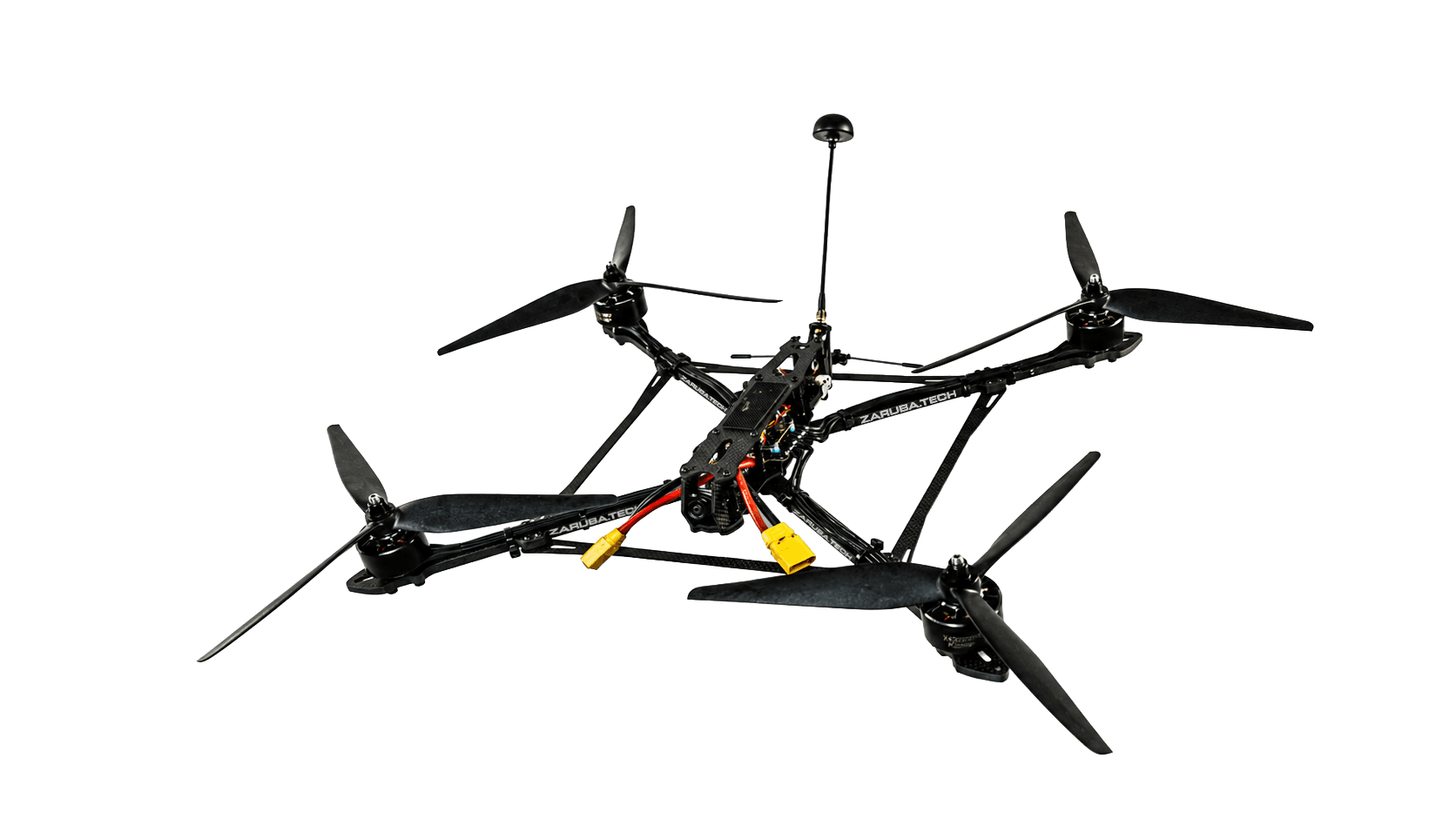
The PCB VeeDip dipole antenna is a compact and lightweight solution designed for reliable wireless communication across various platforms. For complete mission coverage, pair it with our military drone. The antenna’s simple structure allows for easy integration into systems with limited space and weight. It provides stable signal transmission and reception, supporting consistent performance in different operating conditions. It's often deployed alongside our military recon drones in the field.
This dipole antenna is well-suited for use on mobile and stationary equipment, offering flexibility across a range of applications. For complete mission coverage, pair it with our reconnaissance drone. Thanks to its practical design, it can be quickly installed and efficiently used in field and controlled environments. Many teams combine this with our security patrol drones for broader operational reach. Overall, it is a dependable option for maintaining clear, uninterrupted connectivity. See full product range on our website.
Technical characteristics
The PCB VeeDip dipole antenna operates at 1.2 GHz. For a slightly different configuration, see our Yagi antenna.
It provides a gain of 1.2–1.7 dBi for stable signal performance.
The dipole antenna uses linear polarization for consistent signal transmission and reception. Many teams combine this with our surveillance drone for broader operational reach.
It has a lightweight design, weighing just 0.4 oz.
The dipole antenna is suitable for installation on UAVs, mobile repeaters, and ground-based stations.
It supports the reliable reception and transmission of various radio signal types.
FAQ
EW system antennas shape and direct electromagnetic emissions within the desired frequency range, enabling the suppression of control, telemetry, and data transmission channels of unmanned systems. Depending on the antenna type and its operating band, this allows effective operation against both FPV drones and Mavic-type drones as part of electronic warfare complexes.
The effectiveness of an antenna is determined by its operating range, gain, polarization type, power, and mounting method. For example, the lineup includes models with gains from 1 to 16 dBi, circular or linear polarization, and power support up to 120 W. All of these factors influence the density of the jamming field, operational range, and stability of signal suppression.
Different unmanned systems operate in different frequency bands, so effective countermeasures require coverage across multiple ranges. That’s why the lineup includes antennas operating from 210 MHz to 6.1 GHz, including dome-style quadrifilar “3-in-1” and “4-in-1” solutions, which allow simultaneous coverage of several bands to protect against FPV drones.
Gain determines how effectively an antenna focuses or receives a signal in a specific direction or area. For example, directional HELIX and sector antennas with gains up to 14–16 dBi provide a denser and more effective radio impact in the targeted zone, while omnidirectional antennas with 1–3 dBi gain are designed for uniform coverage around the platform.
In the context of EW and telecommunications systems, antennas enable the reception and transmission of radio signals, forming the basis for establishing a stable radio channel or generating jamming. Certain models are also used in electronic intelligence complexes—for example, remote antennas for the “Zaruba 3” detector—which enhance reception range and communication quality.
Polarization directly affects an antenna’s compatibility with the type of signal. The lineup includes both circular and linear polarization. Circular polarization is used, for example, in “Harpina,” HELIX, and quadrifilar antennas, while linear polarization is used in sector, Yagi-Uda, PATCH, and some omnidirectional antennas. Choosing the correct polarization helps enhance the effectiveness of a given system.
Directional antennas focus energy on a specific target, increasing effectiveness and reducing signal loss. This makes them ideal for precise operations against drones, where high accuracy is crucial.
Omnidirectional antennas provide coverage around themselves without the need for precise aiming. The lineup includes models for 350–450, 510–600, 590–700, 700–820, 800–920, and 900–1050 MHz bands with vertical polarization, gains of 1–3 dBi, and IP65 protection. They are used to create dome-shaped EW coverage against FPV drones.
Proper antenna placement affects coverage quality, signal loss, and overall system effectiveness. This is particularly evident with remote antennas for the “Zaruba 3” drone detector, where cable length is directly linked to signal loss. The better the installation point and configuration are chosen, the more efficiently the system performs in reception or jamming.
Adaptability is achieved through a wide range of designs, frequency bands, and application formats. The lineup includes directional, sector, omnidirectional, and quadrifilar antennas, models for dome-shaped coverage, integration into EW complexes, telecommunications systems, repeaters, and drone detectors. This allows selecting the right antenna for a specific type of threat, platform, and operational scenario.