Selecting a drone detection system is not simply a matter of comparing detection ranges or supported frequencies. A system that performs well in one environment may be unsuitable for another because of differences in drone types, RF activity, deployment conditions, operator requirements, or integration needs.
A structured drone detection procurement process helps buyers evaluate these factors before selecting a solution. The following 15 questions provide a practical framework for assessing equipment and comparing different systems against the same drone detector criteria.
1. What Is the Threat Profile?
Start by defining the actual threat rather than the technology. Consider whether the priority is consumer drones, commercial UAVs, FPV drones, custom-built platforms, or a combination of types.
The expected threat profile affects the type of detection technology required. For example, an RF-based detector may be particularly relevant when drones or their control links generate detectable radio-frequency emissions.
A procurement specification should identify the expected operating scenarios, likely drone configurations, typical engagement distances, and whether detection is required continuously or only during specific operations.
2. Which Drone Types Need to Be Detected?
Not all drones use the same communication architecture or frequency bands. Buyers should determine whether the system needs to detect analog FPV platforms, digital FPV systems, conventional remotely controlled drones, or other UAV configurations.
It is also worth considering whether the requirement is limited to drones transmitting identifiable RF signals or extends to platforms that may use different communication technologies or operate with limited RF activity.
The answer will help determine whether a particular detection technology is appropriate and whether additional sensors are required to cover other parts of the threat spectrum.
3. Which Frequency Bands Need to Be Covered?
Base frequency coverage on the expected threat environment rather than a generic list of supported bands. Determine which frequencies are commonly used by the drones of interest and whether simultaneous or sequential scanning is required.
For RF detection systems, buyers should examine the actual frequency ranges covered, scanning method, channel spacing, and whether the system can be updated as the RF environment changes.
A system that covers only a narrow part of the relevant spectrum may leave detection gaps, while unnecessarily broad coverage may add complexity without meaningful operational benefits.
4. What Detection Range Is Required?
Do not treat a manufacturer's maximum detection range as a guaranteed operational range. Performance can depend on transmitter power, antenna characteristics, terrain, obstacles, interference, drone altitude, and the surrounding RF environment.
Drone detection procurement specifications should define the minimum useful range under representative operating conditions. Ask how the stated range was measured and whether test conditions can be reproduced during validation.
It is also important to distinguish between theoretical maximum range and the range required for the intended mission. A shorter-range portable detector may suit localized inspection better than a system designed for wide-area monitoring.
5. What Is the Expected RF Environment?
Urban areas, industrial sites, airports, event venues, and other populated environments can contain substantial RF activity unrelated to drones. Wi-Fi networks, telecommunications equipment, industrial systems, and other transmitters may affect detection performance.
Buyers should therefore evaluate how the system behaves in realistic RF conditions. Ask whether the manufacturer has conducted testing in environments similar to the intended deployment area and how the system distinguishes relevant signals from background activity.
Also consider the RF environment when establishing drone detector criteria, because performance measured in a controlled environment may not reflect results in a dense or unpredictable spectrum.
6. Should the System Be Fixed or Portable?
Determine whether the requirement calls for a permanently installed system, a vehicle-mounted solution, portable equipment, or a combination.
Fixed systems may suit continuous monitoring of defined areas, while portable detectors can be moved between locations and used for temporary operations, site surveys, or localized investigation.
For portable systems, the evaluation should include weight, dimensions, antenna configuration, setup time, battery operation, and transport requirements. For fixed installations, buyers should consider mounting, power, network connectivity, weather protection, and long-term maintenance.
7. What Are the Operator Requirements?
A technically capable detector can still be difficult to use if its interface requires extensive specialist knowledge. Buyers should evaluate how quickly an operator can learn the basic workflow, interpret alerts, change operating modes, and identify relevant signals.
Ask for a demonstration using realistic scenarios rather than evaluating the interface solely from technical documentation.
The system should provide the information operators actually need without unnecessarily complicating the workflow. Relevant parameters may include frequency, signal level, detection status, scanning mode, or other information needed to assess an event.
8. What Are the Battery and Power Requirements?
For portable equipment, battery capacity and operating time can directly affect usability. Buyers should establish the required operating duration, charging method, replacement battery requirements, and whether external power is supported.
It is also useful to ask how battery performance changes under different temperatures and operating modes. A nominal battery capacity alone does not indicate how long the equipment will remain operational in the field.
For fixed systems, procurement teams should instead assess power consumption, backup power requirements, and the availability of suitable power infrastructure at the deployment site.
9. What Level of Environmental Protection Is Required?
Detection equipment may be used outdoors, in vehicles, in temporary positions, in industrial environments, or in other demanding conditions. Procurement criteria should therefore cover ingress protection, operating temperature, physical durability, and resistance to dust and moisture.
If the equipment will be deployed outside controlled facilities, ask whether the manufacturer has tested it under conditions comparable to the intended environment.
Define environmental requirements before drone detection procurement rather than treating them as secondary specifications. A system that performs well technically may still be unsuitable if it cannot withstand the conditions in which it will actually be deployed.
10. How Should False Alerts Be Managed?
Do not evaluate detection performance only by how many signals a system can detect. Excessive false alerts can increase operator workload and make genuine events harder to identify.
Ask what mechanisms are available for filtering or interpreting background RF activity and how false-positive performance was measured. Ideally, testing should use the RF conditions expected at the actual deployment site.
Buyers should also determine how alerts are presented, whether operators can distinguish signal types, and whether the system provides enough information to support verification before taking further action.
11. What Integration Requirements Should Be Considered?
A detector may operate as a standalone device or as one component of a broader counter-UAS architecture. Determine whether integration with command-and-control platforms, other sensors, video systems, network infrastructure, or security workflows is required.
For organizations building a layered architecture, it is useful to evaluate the detector as part of the overall detection technology layers rather than as an isolated device. This helps determine whether the selected sensor fills a specific gap in the detection architecture or duplicates capabilities already provided by other systems.
Also clarify available interfaces, data formats, connectivity options, and whether integration requires additional hardware or software.
12. How Will the System Be Tested and Validated?
Acceptance testing should be defined before the purchase is finalized. Establish measurable criteria for detection range, frequency coverage, scanning behavior, environmental performance, battery life, and false alerts.
Testing should use representative drones and RF conditions wherever possible. Buyers should also distinguish between laboratory specifications and results obtained in realistic operational environments.
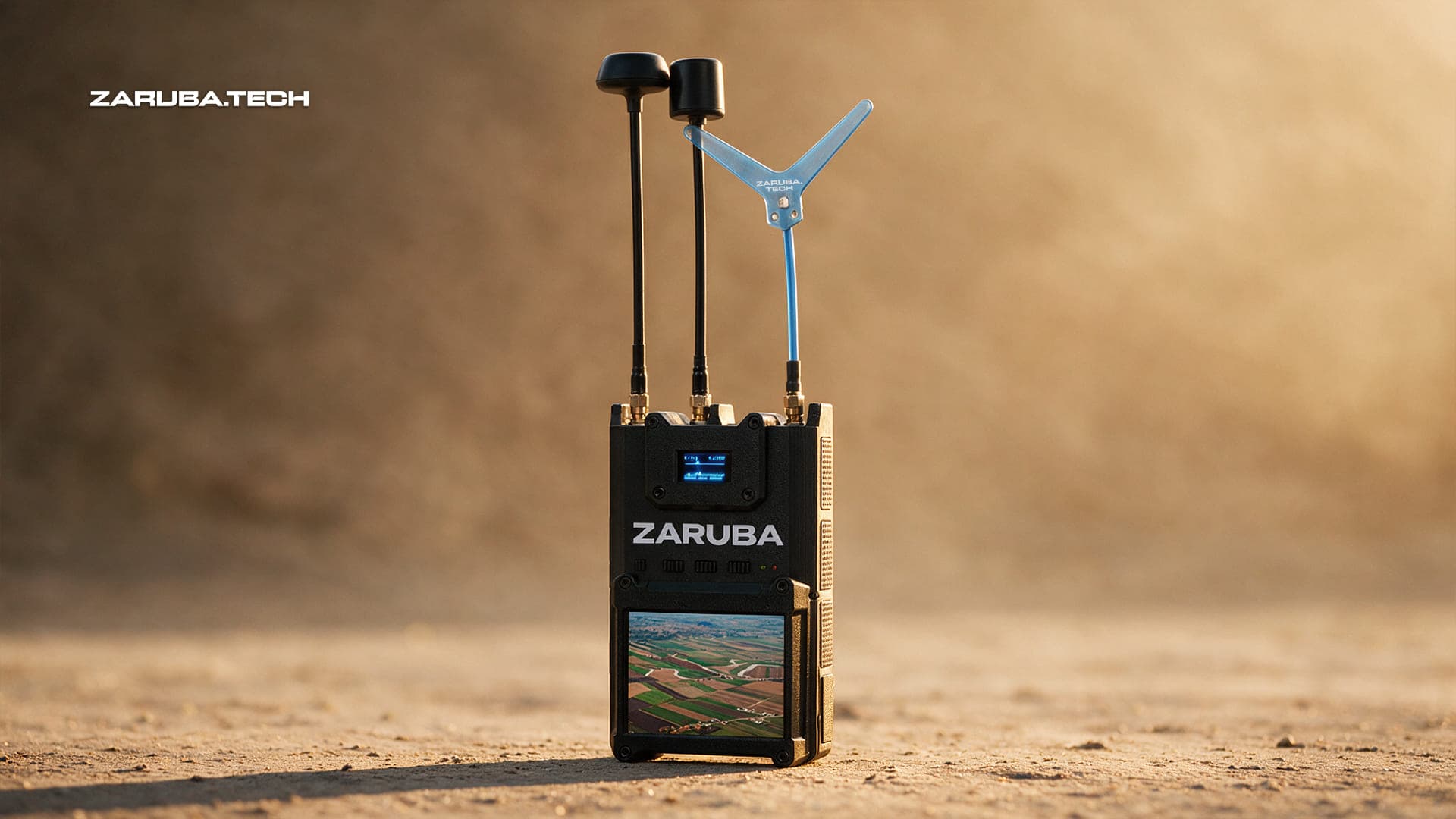
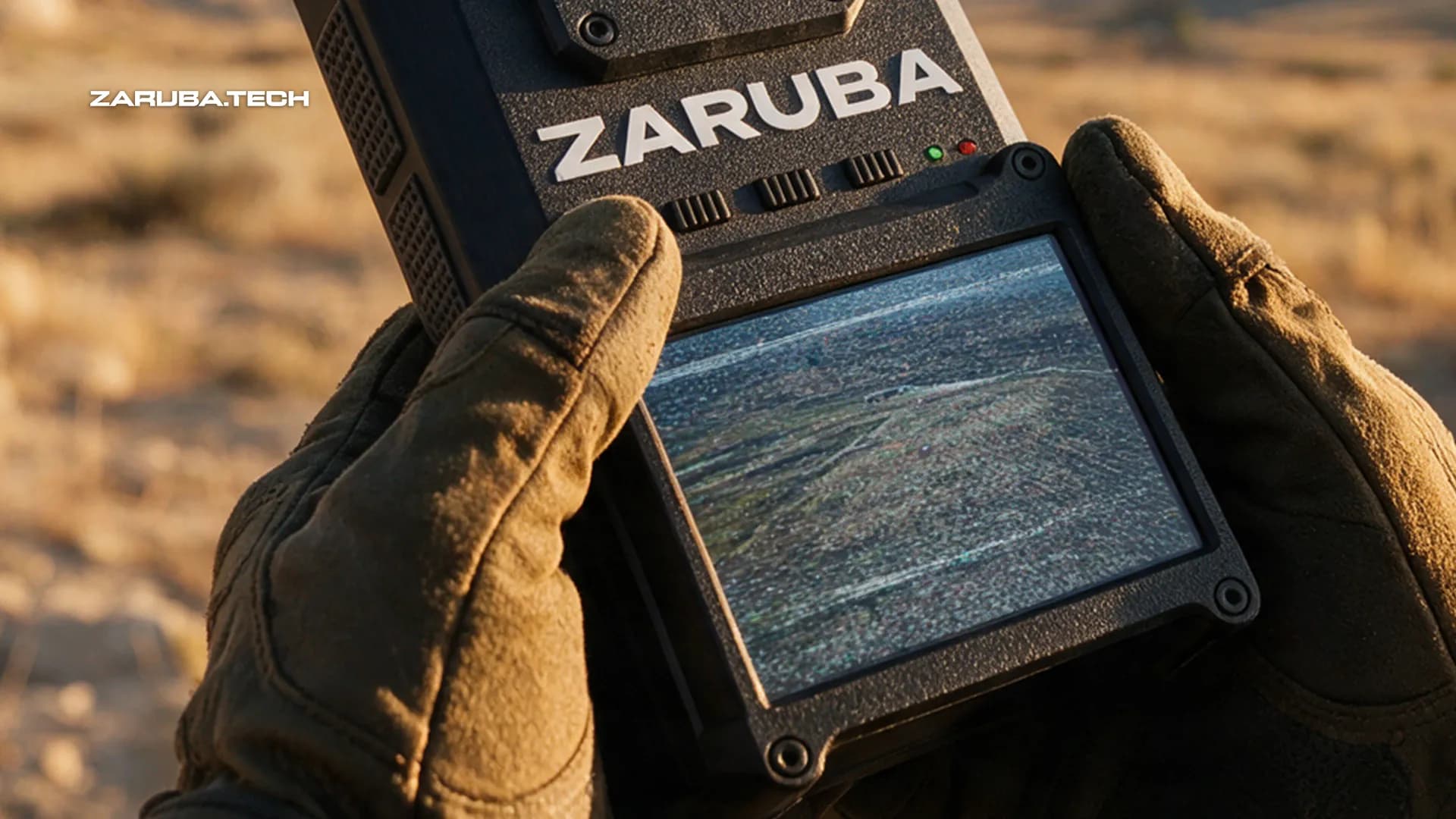
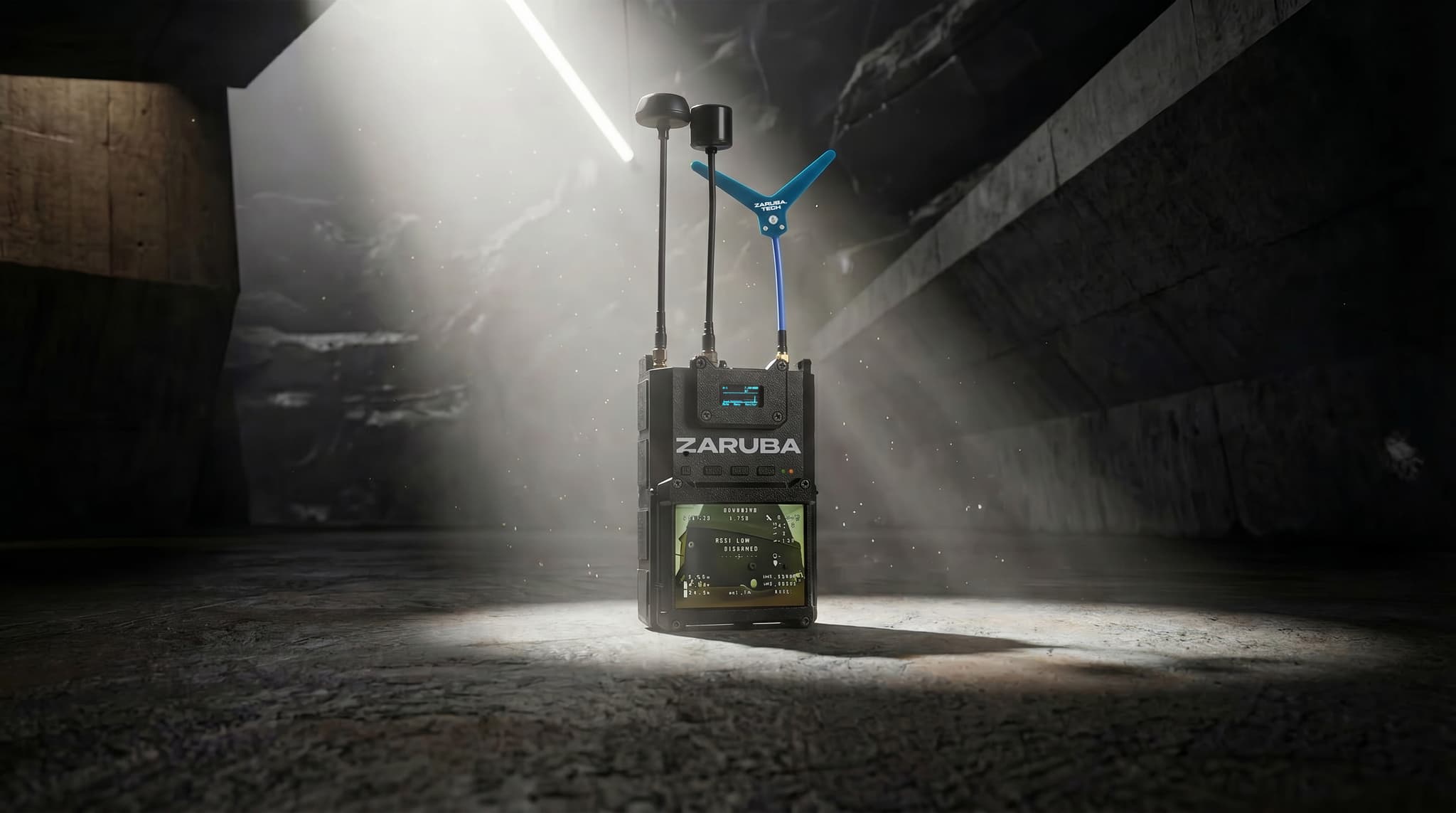
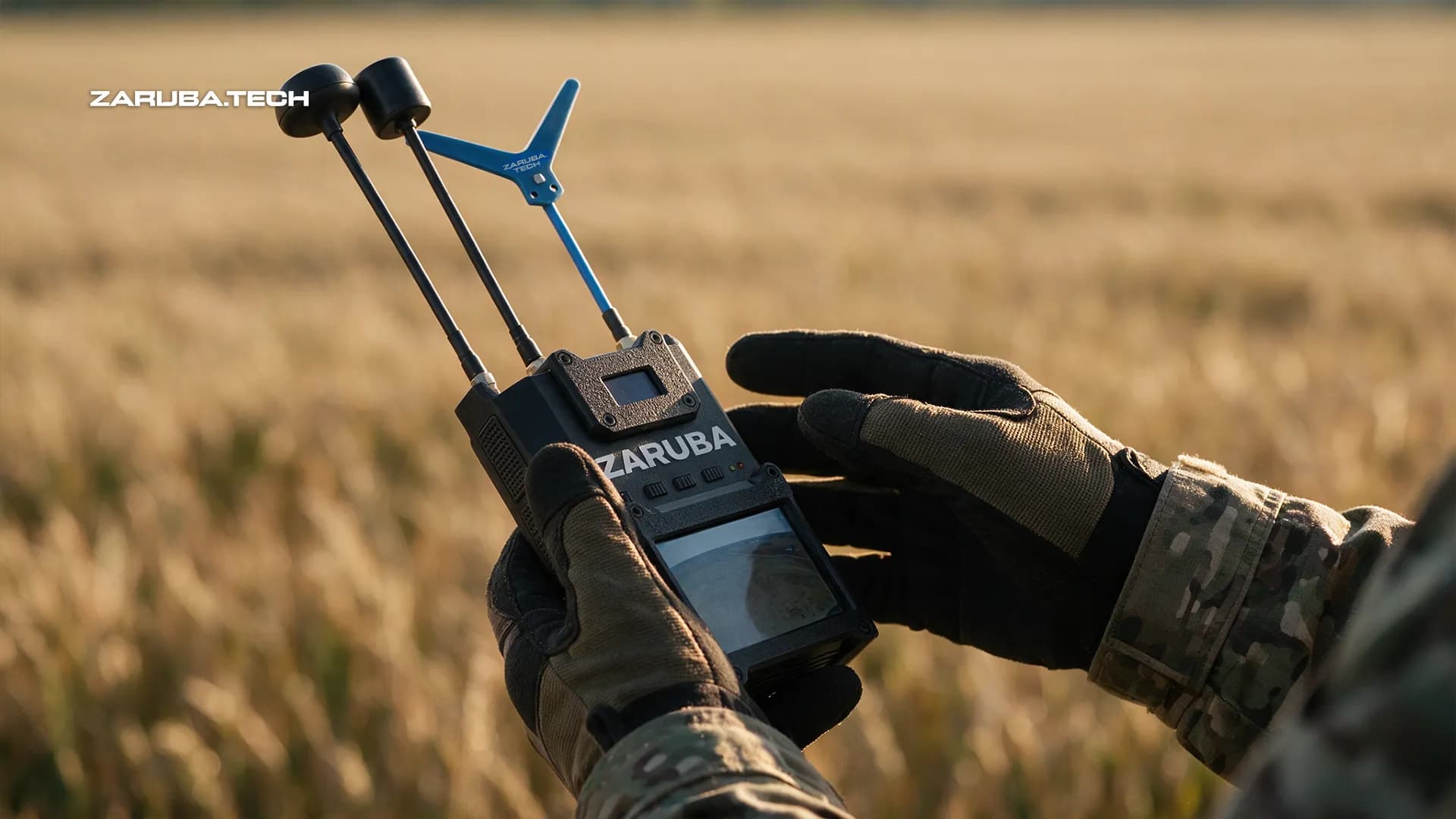
Requesting detailed Zaruba A3 specifications, for example, can help technical teams evaluate a portable RF detector against defined procurement requirements rather than relying only on headline performance figures.
The validation process should also establish what constitutes successful performance and what happens if the equipment does not meet the agreed requirements.
13. What Training Is Required?
Clarify what the supplier provides for initial operator training, technical training, installation, configuration, and troubleshooting.
Documentation should cover normal operation as well as basic maintenance and fault diagnosis. For organizations with multiple operators or deployment locations, consider whether you can reuse training materials internally.
Training requirements should reflect the complexity of the system and the experience of the intended operators. A straightforward interface can reduce the amount of specialized training required, while more advanced systems may require dedicated technical personnel.
14. How Will the System Be Maintained and Updated?
Drone detection procurement should account for the equipment's full service life, not just the initial purchase. Ask how firmware or software updates are delivered, whether updates can be installed offline, and whether new frequency coverage or functionality can be added.
Also clarify warranty terms, repair procedures, replacement parts, expected service intervals, and technical support availability.
For systems deployed in locations with limited connectivity, offline update capabilities and local maintenance procedures may be particularly important. Buyers should understand how the supplier will support the equipment after deployment and what resources the end user will need.
15. What Documentation and Support Are Required?
The final procurement decision should be supported by clear technical documentation. At minimum, request the product datasheet, operating manual, test information, warranty conditions, update policy, and available integration documentation.
These materials allow procurement and technical teams to verify the drone detector criteria established during the initial requirements phase and consistently compare competing systems.
It is also useful to establish what level of supplier support is available after purchase, including technical consultation, troubleshooting, repairs, replacement components, and access to updated documentation.
Procurement Checklist
So, before selecting a drone detection system, buyers should be able to answer all 15 questions:
- What is the threat profile?
- Which drone types need to be detected?
- Which frequency bands need to be covered?
- What detection range is required?
- What is the expected RF environment?
- Should the system be fixed or portable?
- What are the operator requirements?
- What are the battery and power requirements?
- What level of environmental protection is required?
- How should false alerts be managed?
- What integration requirements should be considered?
- How will the system be tested and validated?
- What training is required?
- How will the system be maintained and updated?
- What documentation and support are required?
A drone detection procurement checklist built around these questions can make vendor comparisons more consistent and help organizations identify requirements they might otherwise overlook.
Resources
- Download Drone Detection Procurement Checklist
- Download Zaruba A3 Datasheet
- Request Product Information