Portable Drone Detection for Border Security Operations
Explore how portable passive RF detection supports border security operations. Learn about Zaruba A3, its detection capabilities, and mobile deployment applications.
Overview
Border security teams operate across extensive and often remote territories where unauthorized drone activity can create additional surveillance and security challenges. Unmanned aerial vehicles (UAVs) can be used to observe border infrastructure, monitor patrol movements, approach restricted areas, or support unauthorized cross-border activities.
Identifying potential drone activity requires detection capabilities that can adapt to changing operational conditions. Fixed detection systems can provide continuous monitoring at designated locations, but mobile patrols and temporary observation positions may require additional equipment that can be deployed quickly and moved between sites.
Portable radio frequency (RF) detection is one option for extending drone awareness in these environments. By monitoring radio signals associated with compatible drone video transmissions, passive RF detectors can help personnel identify potential UAV activity without transmitting signals or interfering with the surrounding radio environment.
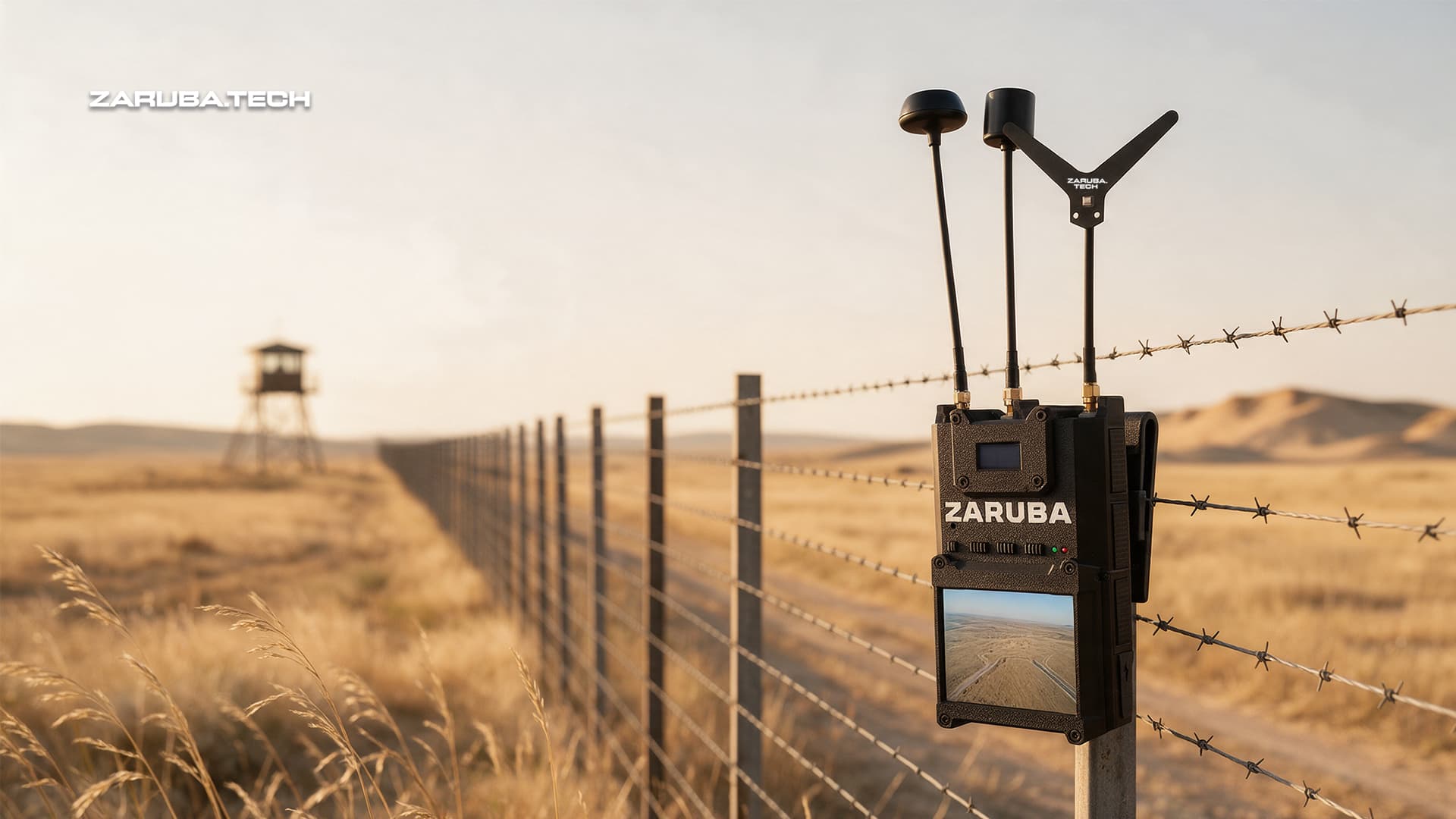
The Zaruba A3 is a portable passive RF detector designed to monitor analog FPV video signals across three frequency bands. It can complement existing detection infrastructure and provide an additional source of information for border security teams operating in mobile and temporary deployment scenarios.
Other products by Zaruba Tech
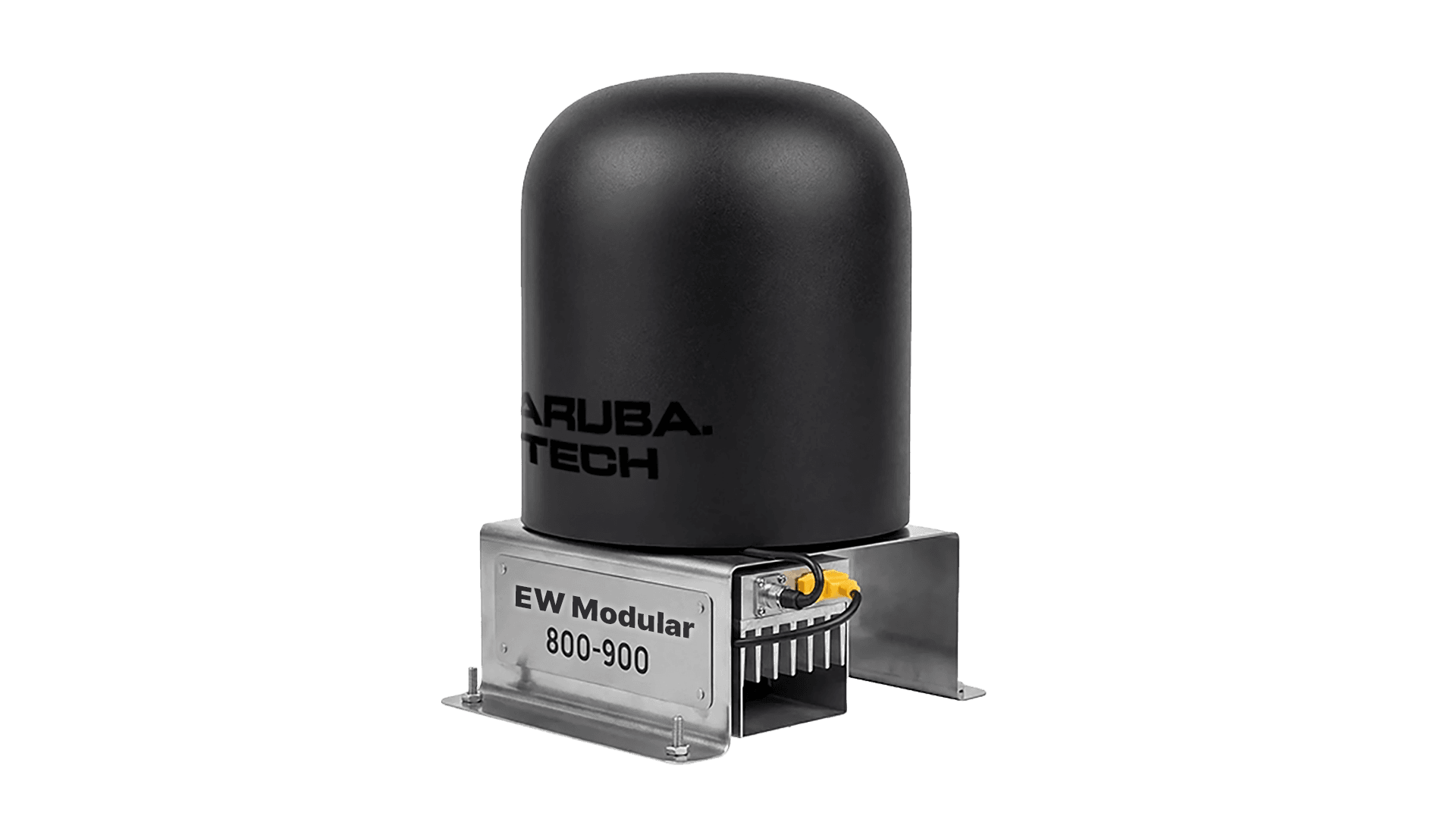
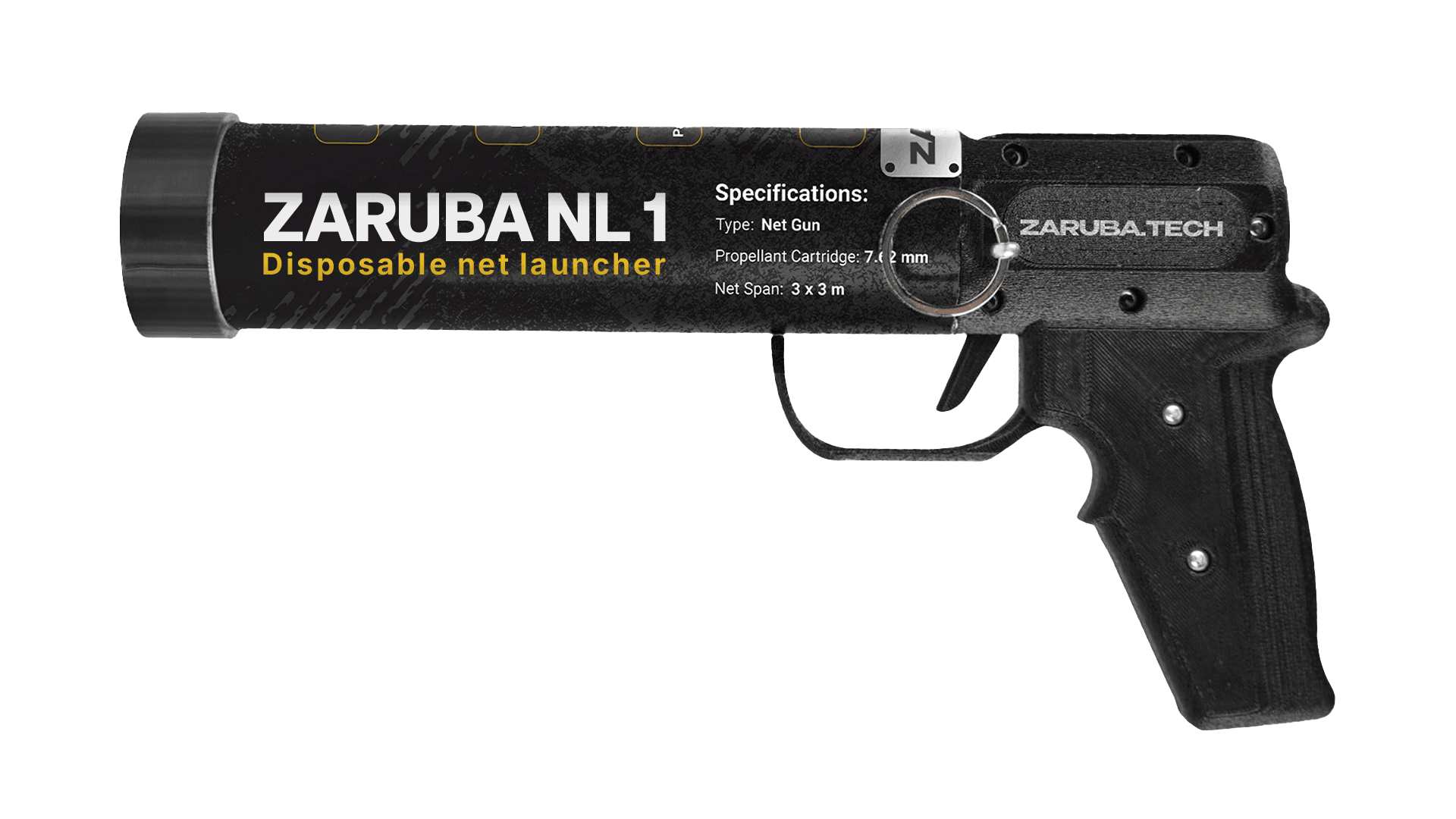
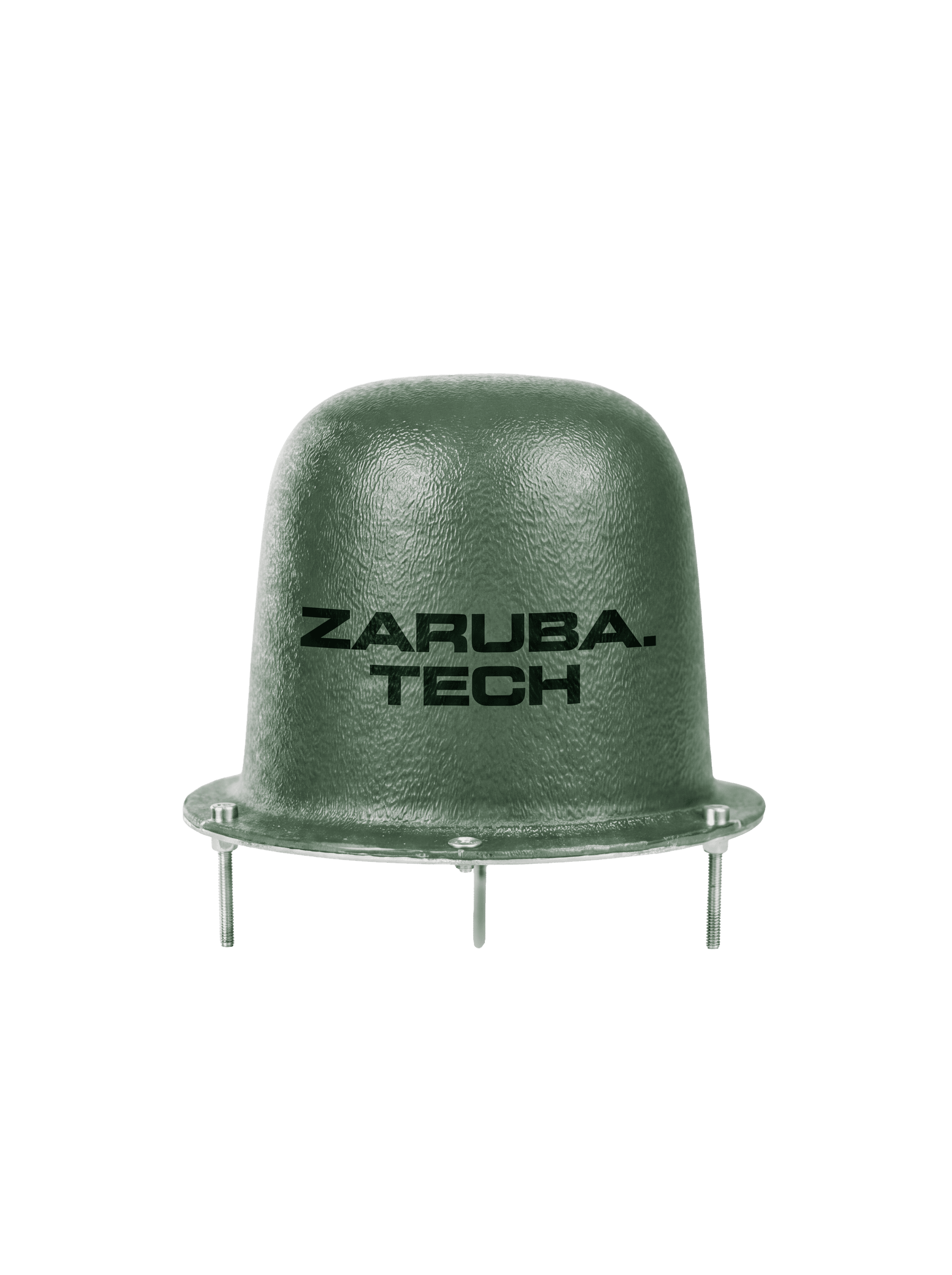
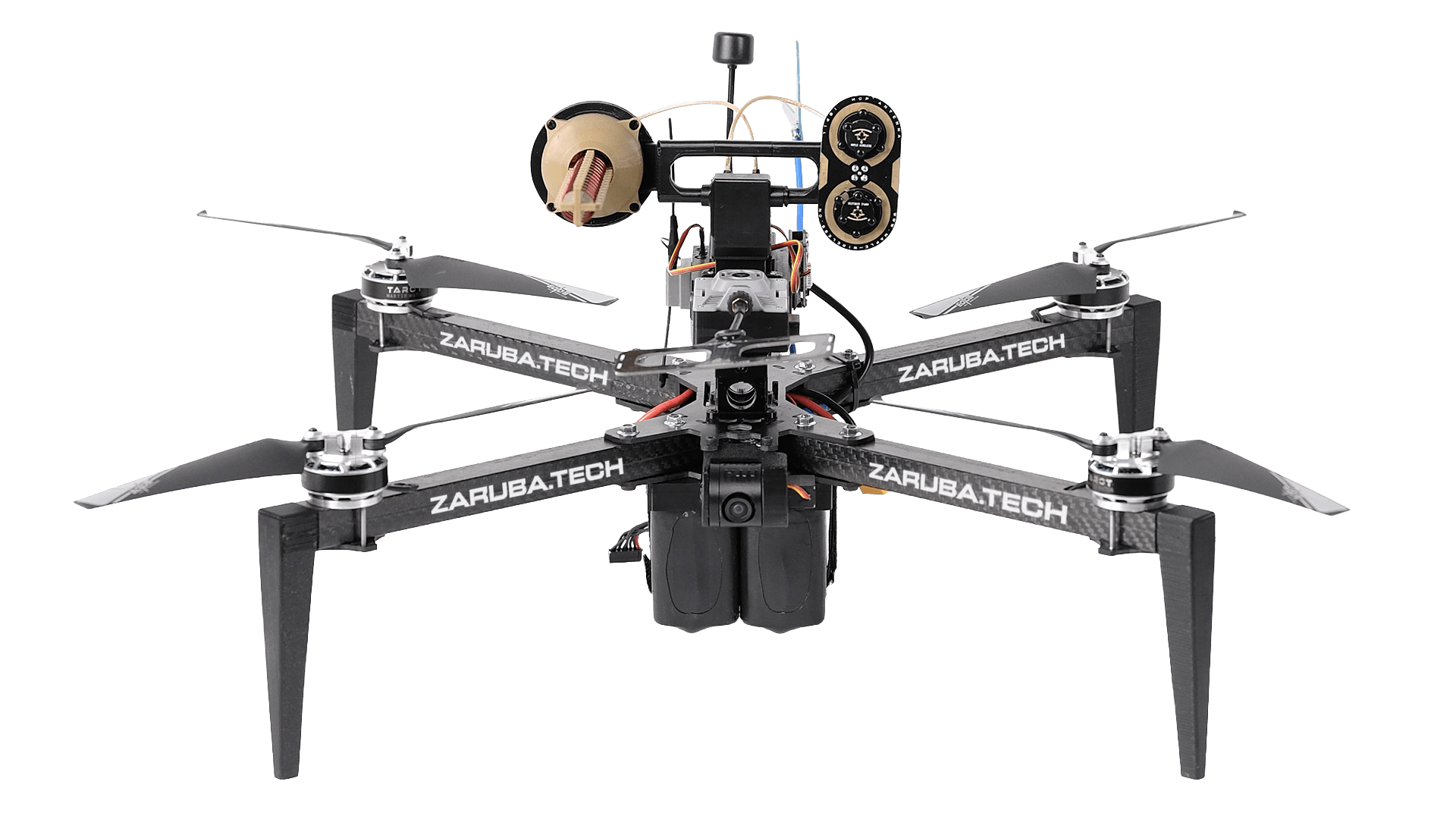
Drone Challenges in Border Security
Border environments present specific challenges for drone detection. They often combine large geographical areas, remote terrain, limited infrastructure, and changing operational requirements. These conditions make continuous monitoring difficult, particularly when security teams rely on fixed detection equipment.
Unauthorized drone activity can create several concerns.
Remote surveillance
Drones equipped with cameras can observe checkpoints, border infrastructure, patrol routes, and other sensitive locations. Their ability to operate at a distance can make unauthorized observation difficult to identify through conventional ground-based security measures.
Unauthorized access to restricted areas
UAVs can approach or enter controlled zones without authorization. Even when a drone does not directly interfere with border operations, its presence may require investigation and additional security measures.
Monitoring of patrol activity
Unidentified drones operating near patrol routes or temporary observation positions can raise concerns about the unauthorized collection of information on personnel movements and security procedures.
Cross-border drone activity
UAVs can approach border areas from different directions, creating uncertainty about their origin, operator, and intended purpose. Identifying compatible RF activity can provide an additional source of information for security personnel.
Operational disruption
Unidentified drone activity may require personnel to investigate an incident, adjust security procedures, or temporarily restrict activities in an affected area.
These challenges highlight the importance of situational awareness across both permanent border infrastructure and mobile security operations.
Border Security Use Cases
Border security operations involve multiple types of deployment, from established checkpoints to temporary observation positions in remote locations. Portable detection equipment can provide additional monitoring capabilities where permanent infrastructure is unavailable or insufficient.
Potential applications include:
- Checkpoints: Portable RF detectors can supplement existing security measures at border crossing points, helping personnel monitor compatible drone video transmissions near controlled access areas.
- Temporary observation positions: Security teams can deploy portable detection equipment at temporary monitoring locations when additional drone awareness is required.
- Patrol operations: Personnel can carry compact detection devices during mobile patrols, providing an additional way to monitor potential drone activity along designated routes.
- Sensitive facilities: Border infrastructure, communication facilities, logistics areas, and other restricted sites may require supplementary RF monitoring to identify unauthorized drone-related transmissions.
- Temporary security zones: Portable detectors can support monitoring during temporary security operations, infrastructure inspections, or periods when additional protection is required.
In these scenarios, portable RF detection complements existing security procedures rather than replacing established surveillance and monitoring systems.
Why Portable Drone Detection Matters for Border Operations
Border security requirements can change depending on the location, operational situation, and available infrastructure. A detection system designed exclusively for permanent installation may not address the needs of teams working across remote or temporary positions.
Portable detection equipment provides several practical advantages.
- Mobility between operational areas. Security personnel can move equipment between checkpoints, observation positions, and other designated locations according to current monitoring requirements.
- Flexible deployment. Portable devices can be introduced when additional monitoring is needed without requiring permanent installation or changes to existing infrastructure.
- Additional situational awareness. RF monitoring can provide information about compatible drone transmissions that may not be available through visual observation alone.
- Operation in remote environments. Devices with offline functionality can support field operations where continuous internet connectivity is unavailable.
- Complementary monitoring. Portable RF detectors can work alongside fixed radar systems, cameras, Remote ID receivers, and other detection technologies.
For border security teams, these capabilities can help extend monitoring beyond permanently equipped locations. The effectiveness of portable equipment still depends on its technical specifications, environmental conditions, and the detection requirements of each deployment.
Role of Passive RF Drone Detection
Passive RF detection identifies radio frequency signals associated with drone communication or video transmission without actively transmitting signals.
Unlike radar, which transmits radio waves and analyzes their reflections, passive RF equipment monitors signals already present in the surrounding environment.
Depending on its supported frequency bands and signal-processing capabilities, an RF detector can help personnel identify compatible drone activity and determine whether further assessment is required.
Its role in border security operations includes several aspects:
- Monitoring active transmissions: Detects compatible RF signals associated with drone video transmission.
- Passive operation: Receives signals without transmitting or intentionally interfering with other radio equipment.
- Additional detection coverage: Provides an RF monitoring layer that can complement radar and optical systems.
- Portable use: Allows personnel to move detection equipment between designated monitoring positions.
- Offline functionality: Supports field use in locations without continuous internet access, depending on the device's capabilities.
Passive RF detection also has important limitations. It depends on detectable transmissions and cannot reliably identify drones that operate autonomously or do not emit compatible signals.
The technology is therefore most effective as part of a broader detection architecture that combines multiple sensor types.
How Zaruba A3 Can Support Border Security Teams
The Zaruba A3 is a portable passive RF detector designed to identify analog FPV video signals across three frequency bands: 1.2 GHz, 3.3 GHz, and 5.8 GHz.
Its compact design and passive operating principle make it suitable for supplementary RF monitoring in field environments where personnel require portable equipment.
For border security applications, the A3 can contribute to monitoring activities in several ways:
Portable RF monitoring
The device can be carried by personnel and used at designated monitoring positions to check for compatible analog FPV video transmissions. Its portable format supports deployment across different operational areas.
Additional detection capability
The A3 can complement existing border surveillance infrastructure by providing an additional source of information about RF activity. It can be used alongside radar, EO/IR cameras, and other detection technologies.
Offline field operation
The device supports offline operation and software updates, which is relevant for remote deployments where internet connectivity may be limited or unavailable.
Visual signal monitoring
The A3 features two screens and external video output, supporting the monitoring of detected analog FPV video signals.
Multi-band monitoring
Its three supported frequency bands allow monitoring of compatible analog FPV video transmissions across 1.2 GHz, 3.3 GHz, and 5.8 GHz.
With a specified maximum detection distance of up to 2.5 miles, the A3 can provide additional RF monitoring capability in suitable conditions. Actual detection performance depends on the signal source, transmission characteristics, antenna configuration, terrain, and surrounding RF environment.
The device is intended for detection and monitoring. It does not jam, intercept, or take control of UAVs.
Mobile and Temporary Deployment Scenarios
Portable detection equipment is particularly relevant when border security teams need to establish additional monitoring capabilities without installing permanent infrastructure.
The Zaruba A3 can be considered for several deployment scenarios:
Mobile security teams
Personnel conducting patrols or moving between designated security positions can carry the detector as supplementary monitoring equipment. Its portability allows it to be used at different locations according to operational requirements.
Temporary observation positions
When teams establish temporary observation positions, the A3 can provide an additional RF monitoring capability without requiring a permanent installation.
Border infrastructure inspections
During inspections of checkpoints, communication facilities, and other infrastructure, portable detection equipment can supplement existing monitoring procedures.
Temporary security operations
When operational requirements change, the device can be moved to locations where additional RF awareness is needed. This flexibility can be useful during temporary deployments and security activities.
Remote field environments
Offline functionality supports operation in locations where network connectivity is limited. This allows personnel to use the device without relying on a continuous internet connection.
Deployment planning should account for the device's frequency coverage, antenna configuration, environmental conditions, and the availability of complementary detection systems.
Limitations of RF Detection in Border Environments
Border environments can present challenging conditions for RF detection. Long distances, uneven terrain, vegetation, buildings, and other obstacles may affect signal propagation and detection performance.
Before integrating portable RF equipment into border security operations, teams should understand several limitations.
- Dependence on active transmissions. Passive RF detection requires detectable radio signals. Autonomous drones and UAVs operating without compatible video transmissions may not be identified.
- Limited frequency coverage. The Zaruba A3 monitors analog FPV video signals across 1.2 GHz, 3.3 GHz, and 5.8 GHz. It should not be considered a universal detector for all drone communication protocols or frequency bands.
- Environmental conditions. Terrain, vegetation, infrastructure, antenna positioning, and RF interference can influence detection performance. Results may vary between open areas and locations with significant physical obstructions.
- Detection versus identification. Detecting a compatible RF signal does not automatically establish the identity, location, or intent of the drone operator. Additional sensors and procedures may be necessary to assess an incident.
- No visual tracking capability. The A3 monitors analog FPV video signals but does not independently provide radar-based tracking or comprehensive visual identification of UAVs.
- No countermeasure functionality. The device is designed for passive detection. It does not interfere with drone communications or provide mitigation capabilities.
For these reasons, RF detection should be integrated into a layered border security architecture. Combining RF monitoring with radar, EO/IR cameras, Remote ID, and other relevant sensors can provide a more comprehensive understanding of potential drone activity.
Relevant Zaruba A3 Specifications
The following specifications are relevant when assessing the Zaruba A3 for mobile and temporary border security deployments.
- Frequency bands: 1.2 GHz, 3.3 GHz, and 5.8 GHz.
- Scanning speed: 4-8 seconds for a full cycle.
- Detection range: Up to 2.5 miles under suitable conditions.
- Battery life: 4,500 mAh battery capacity.
- Weight: Up to 23 oz.
- IP rating: IP54.
- Operating temperature: 14°F to 122°F
Related Solutions
Portable RF detection can contribute to several security applications beyond border monitoring. Depending on operational requirements, the same detection technology can support mobile teams, military units, and law enforcement agencies.
Related Resources
Explore these resources to learn more about passive RF monitoring and the role of drone detection technologies in different operational environments:
Explore Portable Drone Detection with Zaruba A3
Zaruba Tech is a defense technology manufacturer specializing in electronic warfare, drone detection, and advanced RF solutions. The company develops detection technologies designed to meet the demands of operational environments.
Explore how the Zaruba A3 can complement existing border security infrastructure and provide additional RF monitoring capabilities for mobile and temporary deployments.
- Explore Zaruba A3.
- Request Product Information.
- Contact Sales.