Portable Drone Detection for Military and Force Protection
Overview
FPV drones and unmanned aerial vehicles (UAVs) increasingly challenge military units and force protection teams. Their use for reconnaissance, surveillance, and other tactical missions creates a need for timely detection and improved situational awareness, particularly in environments where personnel operate from temporary positions or move frequently.
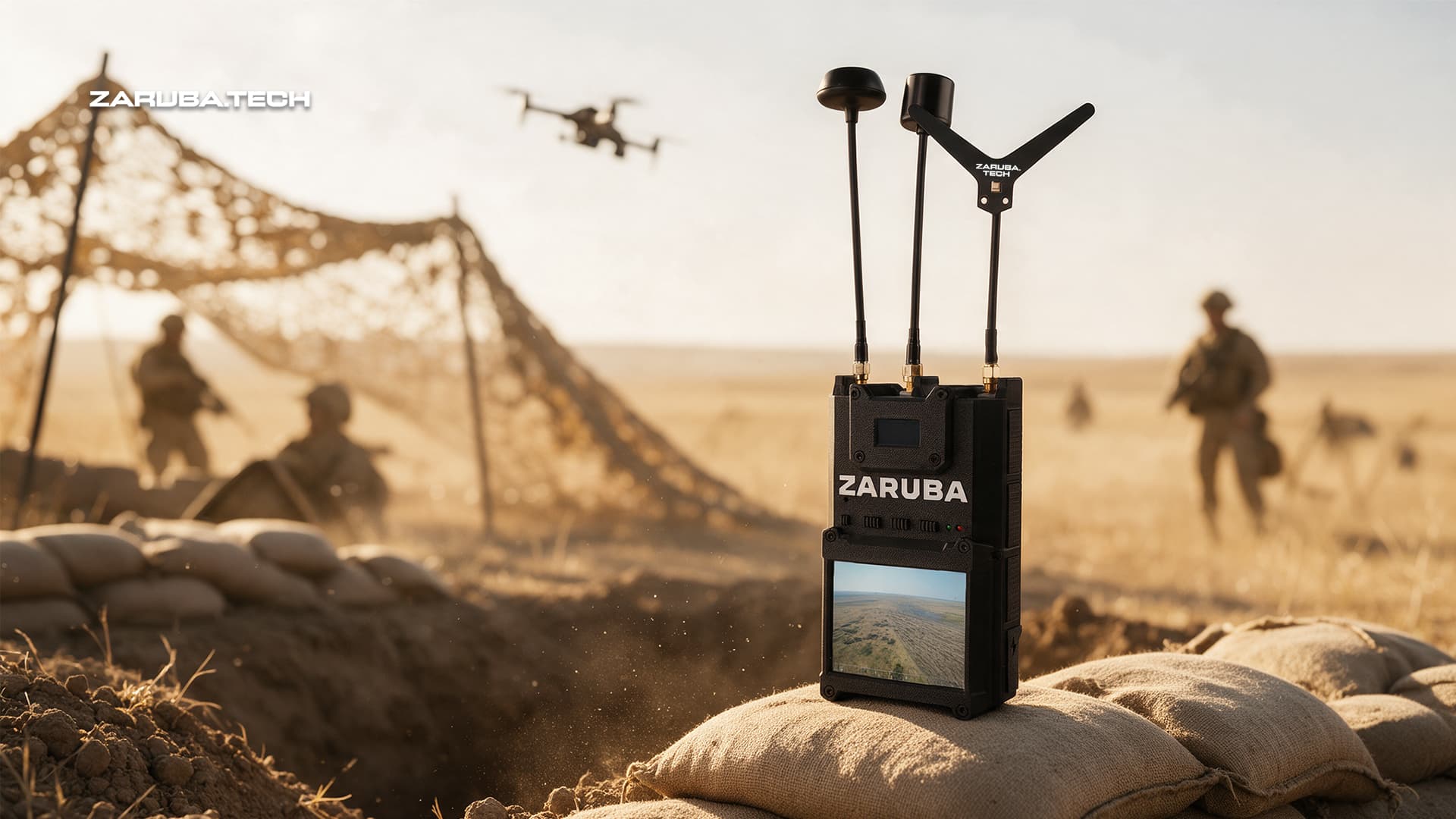
Portable passive radio-frequency (RF) detection offers one way to identify compatible drone transmissions without emitting RF signals. Zaruba A3 detects analog FPV video signals across three supported RF bands, giving personnel an additional source of information when monitoring potential UAV activity in tactical environments.
Other products by Zaruba Tech
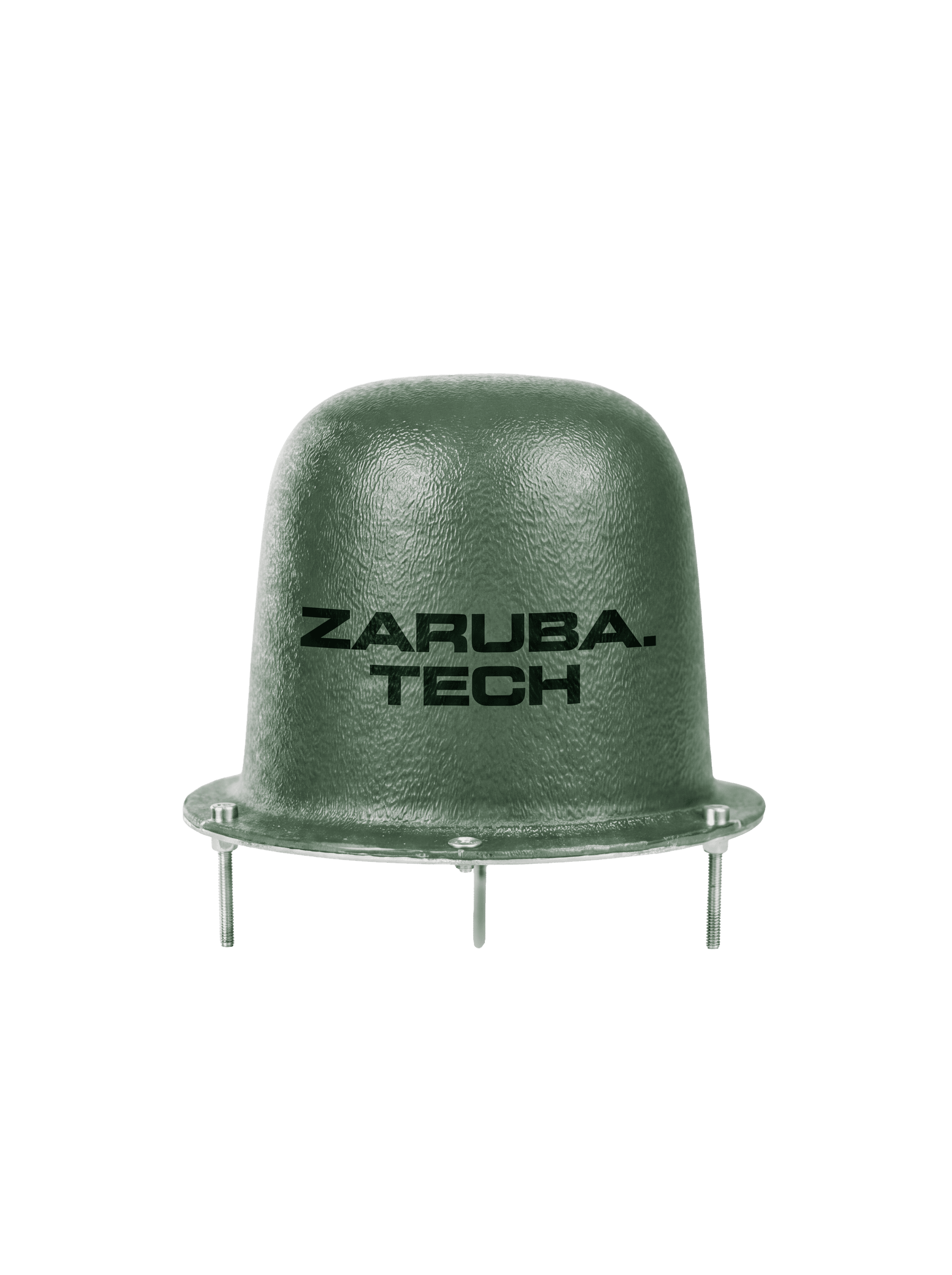
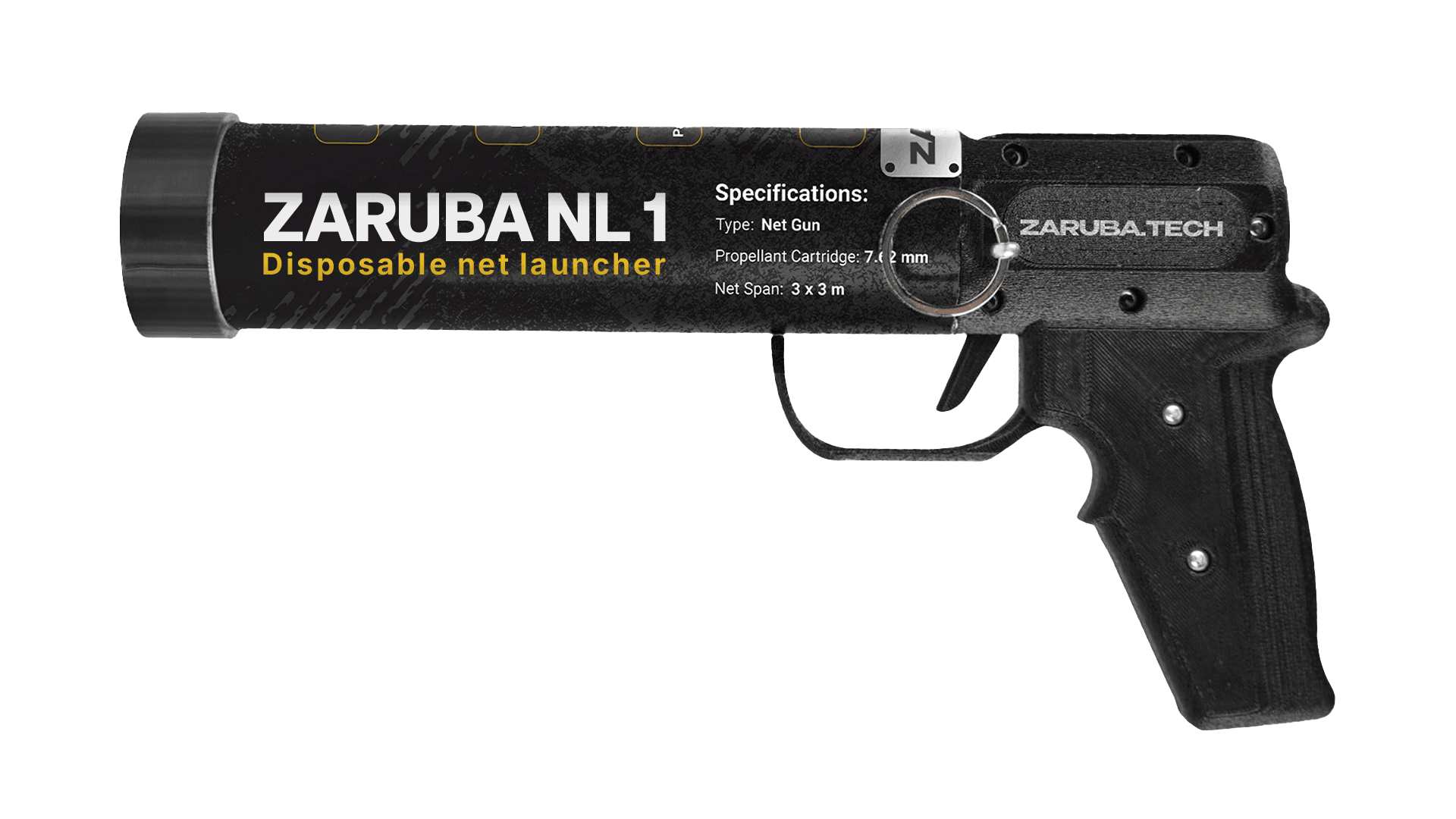
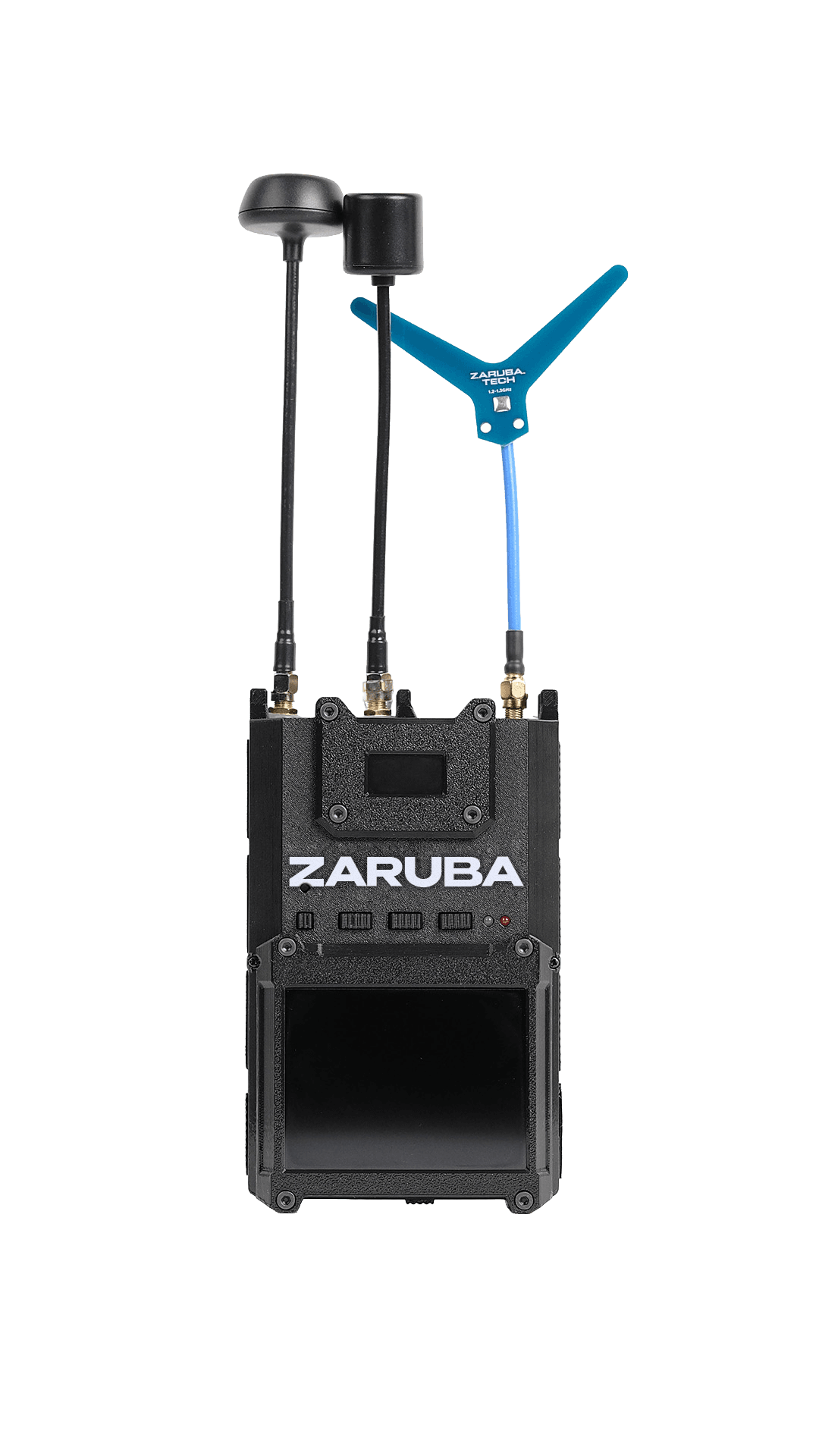
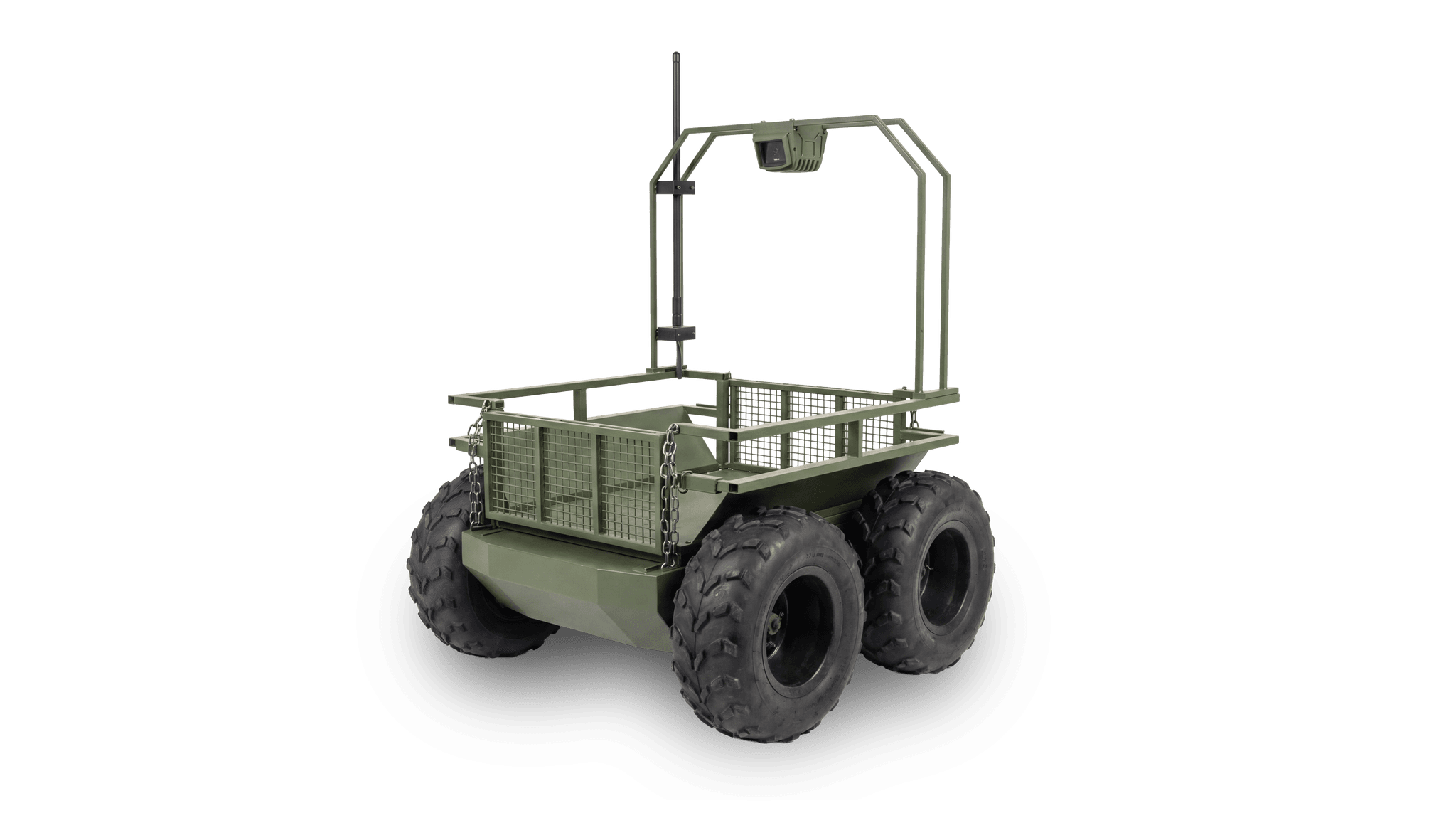
The Growing Drone Threat in Military Operations
Military operations increasingly involve UAVs with different sizes, transmission technologies, and mission profiles. Effective detection requires understanding what a particular system can detect and the limitations of its sensing technology.
- FPV drones: First-person-view drones commonly transmit analog or digital video, depending on their configuration. Systems that support compatible analog FPV signals can use passive RF detection to identify relevant transmissions.
- Reconnaissance UAVs: UAVs used for reconnaissance may collect information about personnel, equipment, and activity. Their detectability depends on their communication systems and whether they emit signals that detection equipment can detect.
- Surveillance threats: UAVs can observe areas of interest without requiring personnel to enter them. Detection systems can also indicate potential aerial activity, helping security teams assess their surroundings.
- Rapidly evolving drone tactics: Changes in frequencies, transmission technologies, and operating patterns create challenges for detection equipment. Selecting a system requires matching its supported signals to the anticipated threat environment.
No single detection technology covers every UAV type. Understanding the expected threat profile is essential when selecting equipment for military and force protection applications.
Drone Detection Challenges in Tactical Environments
Tactical environments impose constraints that can affect detection performance, equipment placement, and an operator's ability to interpret alerts.
- Terrain: Buildings, vegetation, elevation changes, and other obstacles can attenuate or obstruct RF signals. The effective detection range may therefore differ considerably between open terrain and areas with substantial physical obstructions.
- RF interference: Other transmitters and electronic systems can introduce interference or make signals more difficult to distinguish. The local RF environment affects detection performance and may require additional assessment.
- Mobility: Personnel may need to transport equipment between locations and establish detection capabilities without permanent infrastructure. Portable systems help address this requirement, provided they can accommodate power, antenna, and operating needs.
- Low-altitude drones: Terrain and physical obstacles can limit signal propagation from low-altitude UAVs. A detector's nominal maximum range does not guarantee detection when line-of-sight conditions or signal strength are unfavorable.
- Changing positions: Temporary positions and mobile operations make fixed detection infrastructure less practical in some situations. Relocatable equipment lets detection capabilities follow changing operational requirements.
Consider these factors together when evaluating a portable drone detector. Laboratory specifications alone can't predict how a system will perform in a specific field environment.
Role of Passive RF Drone Detection
Passive RF drone detection identifies radio-frequency signals associated with compatible UAV systems. Unlike radar or active RF sensing technologies, a passive RF detector receives signals without transmitting its own RF emissions to detect drone activity.
Its role in tactical environments includes several functions:
- Passive operation: The detector receives and analyzes signals within its supported frequency bands without actively transmitting RF signals or interfering with the detected communications.
- Situational awareness: Detection indications provide personnel with additional information about potential UAV activity in the monitored environment.
- Early warning: When the device detects a compatible signal, it can alert the operator, allowing time to assess the indication and follow established procedures.
- Portable deployment: Compact, standalone equipment can support temporary positions and mobile operations where permanent detection infrastructure is unavailable or impractical.
Passive RF detection is most effective against threats that emit signals the device can receive and recognize. It does not replace visual observation, radar, or other complementary sensing technologies when broader detection coverage is required.
FPV Drone Detection and Early Warning
FPV drone detection is an important application of passive RF monitoring because many FPV systems use radio links and video transmitters that can produce detectable RF emissions.
Analog FPV signals
Analog FPV systems transmit video over radio frequencies. A detector designed for compatible analog video signals can scan supported bands and identify relevant transmissions. This lets you detect certain FPV-related activity without needing a visual line of sight to the drone, though terrain and signal propagation can still affect reception.
Relevant frequency bands
Zaruba A3 supports three RF bands associated with analog FPV video: 1.2 GHz, 3.3 GHz, and 5.8 GHz. These bands cover selected FPV transmission ranges, not every frequency used by all UAV systems.
Actual detection depends on the signal's frequency, strength, characteristics, antenna configuration, and local RF conditions. A drone operating with an unsupported digital system or outside the device's supported bands may not be detected.
Operator awareness
A detection indication is an input for assessment, not automatic confirmation of a threat. Operators must interpret the information in context and, where available, correlate it with visual observations or data from other sensors.
Timely alerts can support awareness, but detection time varies with scanning behavior, signal characteristics, and environmental conditions. Portable RF detection should therefore be part of an established security process rather than the sole basis for operational decisions.
Military Drone Detection Use Cases
Portable passive RF detection can support military and force protection activities by monitoring compatible UAV transmissions without installing a permanent sensor network.
- Forward positions: Portable detectors can provide an additional source of information about potential FPV activity at temporary positions.
- Checkpoints: Personnel can use RF detection alongside existing observation and security procedures to monitor for compatible transmissions.
- Mobile units: Portable equipment can move with personnel between locations, supporting detection requirements that change during operations.
- Temporary bases: Standalone detectors can add a local RF monitoring capability at temporary facilities without requiring a fixed installation.
- Observation positions: Personnel can monitor supported RF bands while carrying out assigned observation duties, subject to the device's scanning behavior and operating requirements.
- Force protection: Passive detection can contribute to a broader security arrangement by alerting personnel to compatible UAV-related signals that warrant further assessment.
A detector's suitability depends on the mission, expected UAV technologies, operating environment, and required coverage. For applications where non-emitting threats or unsupported UAV systems are a concern, additional detection methods may be necessary.
How Zaruba A3 Fits Tactical Operations
Zaruba A3 is a portable passive RF detector designed to detect analog FPV video signals across three supported RF bands. Its standalone design supports field use where personnel need a transportable detection capability rather than a permanent installation.
Portable deployment
The device can be transported between locations and used at temporary security positions, observation points, and other sites where portable RF monitoring is required. Its suitability for a particular deployment depends on the available space, antenna placement, environmental conditions, and the signals expected in the area.
Scanning behavior
Zaruba A3 scans its supported RF bands cyclically within 4-8 seconds. This lets the device monitor multiple supported bands, though the time needed to detect a particular transmission depends on the scanning cycle and signal characteristics.
Battery operation
The device has a built-in 4,500 mAh battery, supporting operation without a continuous connection to external power. Actual operating time depends on usage and environmental conditions; battery capacity alone does not guarantee runtime.
Field use
Zaruba A3 operates passively and does not transmit RF signals to detect UAV activity. This matters in environments where limiting the detector's RF emissions is required. The device provides detection indications for operator assessment; it does not independently establish the intent of a detected signal or replace other surveillance systems.
For tactical deployments, operators should understand the supported frequency bands, scanning behavior, battery requirements, and environmental limitations before relying on the device as part of a force protection arrangement.
Limitations of Passive RF Detection
Passive RF detection offers a useful capability for monitoring compatible UAV transmissions, but it has inherent limitations.
Non-emitting threats
A passive RF detector cannot detect a UAV solely through its physical presence. If the UAV does not emit a detectable signal, or if prevailing conditions prevent reception, passive RF detection may not provide an alert.
Unsupported signals and frequencies
Detection is limited to the device's supported frequency ranges and signal types. Zaruba A3 is designed for analog FPV video signals across its three supported bands; it should not be treated as a universal detector for every analog or digital UAV system.
Environmental and operational constraints
Terrain, obstacles, antenna placement, transmitter characteristics, and RF interference can affect detection range and reliability. A stated maximum range represents performance under suitable conditions, not a guaranteed distance for every deployment.
The need for layered detection
When operations require coverage of a wider range of UAV technologies, passive RF detection may need to be combined with complementary sensors:
- Radar can detect and track airborne objects without relying on the target emitting a detectable RF communication signal.
- Electro-optical and infrared sensors can support visual confirmation and classification when viewing conditions permit.
- Acoustic sensors can provide another detection source in suitable environments, though background noise and limited range can reduce their usefulness.
Combining technologies helps address individual sensors' limitations. The appropriate configuration depends on the threat profile, environment, coverage requirements, and available resources.
Relevant Zaruba A3 Specifications
The following specifications are relevant when assessing Zaruba A3 for portable military and force protection applications.
- Frequency bands: 1.2 GHz, 3.3 GHz, and 5.8 GHz.
- Scanning speed: 4-8 seconds for a full cycle.
- Detection range: Up to 2.5 miles under suitable conditions.
- Battery life: 4,500 mAh battery capacity.
- Weight: Up to 23 oz.
- IP rating: IP54.
- Operating temperature: 14°F to 122°F
Related Resources
Explore these resources to understand passive RF detection and its place within a broader counter-UAS system:
- FPV Drone Detection: Capabilities and Limitations
- How Passive RF Drone Detection Works
- Counter-UAS Detection Layers
Portable Drone Detection for Force Protection
Zaruba A3 by Zaruba Tech provides portable passive RF detection to identify compatible analog FPV video signals across three supported frequency bands. It complements existing observation and security procedures at temporary positions and other locations that require standalone detection.
- Explore Zaruba A3
- Download A3 Datasheet
- Request Product Information