FPV drones are hard to detect because of their small size, high speed, and flexible communication systems. Unlike traditional drones that may rely on standardized identification methods, many FPV platforms use customizable radio links and low-latency video transmission, making early detection more complex. Understanding the capabilities and limitations of FPV drone detection helps organizations choose the right technologies for monitoring and counter-FPV strategies.
Why FPV Drones Are Difficult to Detect
FPV drones present unique detection challenges compared with larger commercial or autonomous unmanned systems. Their compact size, high speed, low operating altitude, and flexible flight patterns make them harder to identify using traditional monitoring methods.
Unlike many larger drones that rely on stable communication links, navigation systems, or standardized identification protocols, FPV platforms are often built from customizable components. Operators can modify frequencies, communication equipment, antennas, and flight controllers depending on their requirements.
Another challenge is that FPV drones typically operate close to the ground. Buildings, terrain features, vegetation, and other obstacles can reduce visibility and interfere with detection systems. As a result, effective FPV drone detection often requires technologies that can analyze the signals generated by the drone rather than relying only on visual observation.
How FPV Drones Communicate
FPV drones usually depend on radio frequency (RF) communication between the aircraft and the operator. This communication can include several separate links:
- Control link: Sends flight commands from the radio transmitter to the drone.
- Video link: Transmits the live camera feed from the drone to the operator’s goggles or display.
- Telemetry link: Transfers flight information, such as battery status, altitude, or GPS data.
Many FPV systems use analog or digital communication technologies depending on the equipment installed. Traditional analog FPV systems remain common because they offer low latency, which is important for pilots who need immediate video feedback during manual flight.
Because these communication channels generate RF emissions, they can be detected and analyzed by specialized equipment.
How RF-Based FPV Detection Works
RF-based detection focuses on identifying electromagnetic signals produced by a drone’s communication systems. Unlike radar, which actively sends signals and analyzes reflections, passive RF detection only receives existing emissions in the surrounding environment.
A radio frequency detector continuously scans selected frequency ranges and looks for signal patterns associated with drone activity. When suspicious RF activity is detected, the system can analyze characteristics such as:
- Operating frequency;
- Signal strength;
- Transmission patterns;
- Bandwidth characteristics;
- Duration and repetition of emissions.
This approach allows handheld drone detectors to provide early warning without transmitting signals that could reveal their own location or interfere with nearby communications.
Analog Video Signals and Detection
Analog video transmission is one of the most recognizable RF signatures associated with traditional FPV systems. Many FPV drones use analog video transmitters (VTX) that send a continuous video signal from the onboard camera to the pilot’s goggles.
Because analog video systems transmit continuously during flight, they can create detectable RF emissions. A detector analyzing these signals may identify activity linked to analog FPV equipment even when the drone itself is not visually visible.
However, detection depends on multiple factors, including transmitter power, antenna configuration, distance, and environmental conditions. A weak signal or obstructed transmission path can reduce detection effectiveness.
Common Frequency Bands
FPV drones commonly operate in several RF ranges. The exact frequencies depend on the hardware configuration, region, and user-selected equipment.
Common FPV bands include:
- 1.2 GHz: Often used for longer-range video or control applications.
- 2.4 GHz: Frequently used for control links and some digital systems.
- 5.8 GHz: One of the most common bands for analog FPV video transmission.
- 3.3 GHz and other specialized frequencies: Used in certain customized FPV configurations.
Because FPV equipment is highly customizable, RF detection systems often need to monitor multiple frequency ranges to improve detection coverage.
Detection Range in Real Conditions
Theoretical detection distance and real-world detection range are not always the same. In practice, RF detection performance depends on the environment and the characteristics of both the drone and the detector.
Important factors include:
- Transmitter power;
- Antenna type and orientation;
- Drone altitude;
- Frequency band;
- Weather conditions;
- Surrounding structures;
- Electromagnetic interference.
A high-power transmitter operating in an open area may be detectable at a greater distance than a low-power system operating in a complex environment.
For this reason, detection range should be considered as a practical capability rather than a fixed number that applies to every scenario.
Terrain, Buildings and RF Interference
The surrounding environment plays a major role in FPV drone detection. RF signals can weaken, reflect, or become distorted when they interact with physical obstacles.
Common challenges include:
- Buildings: Concrete and metal structures can block or weaken signals.
- Terrain: Hills, valleys, and uneven landscapes can limit signal paths.
- Urban interference: Wi-Fi networks, industrial equipment, and other wireless systems can create background RF noise.
- Signal overlap: Multiple devices operating on similar frequencies can make analysis more complex.
To maintain reliable awareness, RF detection systems must separate potential drone signals from normal background activity.
What RF Detectors Can Identify
RF detectors are designed to identify activity associated with drone communication systems rather than the physical drone itself.
Depending on the system capabilities, RF detection may identify:
- Presence of RF emissions associated with FPV equipment;
- Active communication links between a drone and operator;
- Certain frequency bands being used;
- Signal characteristics that indicate possible drone activity;
- Approximate direction or location information in advanced systems.
For security teams, this information can provide valuable early warning and support additional verification methods.
What RF Detection Cannot Detect
While RF detection is effective against many actively communicating FPV systems, it has limitations.
RF detectors generally cannot identify:
- A drone that is not transmitting any RF signals;
- Fully autonomous drones operating without an active communication link;
- Passive objects that do not generate electromagnetic emissions;
- A drone solely through visual characteristics.
Detection systems work best when you understand their capabilities as part of a broader monitoring approach, not as a single solution for every possible scenario.
Autonomous and Non-Emitting Threats
Some drones can operate with limited or no active communication during parts of a mission. For example, autonomous flight modes may reduce dependence on a constant operator connection.
A drone that does not emit detectable RF signals may require other technologies, such as radar, optical systems, acoustic sensors, or integrated detection networks.
This highlights an important distinction: RF detection identifies communication activity, not every possible drone presence.
Where RF Detection Fits in Counter-FPV Defense
RF detection is one layer within a broader counter-FPV strategy. Different technologies address different stages of drone awareness and response.
A layered approach may combine:
- RF detection: Identifies communication signals and provides early warning.
- Radar: Detects physical movement and tracks objects.
- Optical systems: Provide visual confirmation.
- Electronic systems: May respond to identified communication links where legally and operationally appropriate.
By combining multiple technologies, organizations can improve situational awareness and reduce reliance on a single detection method.
How Zaruba A3 Provides Early Warning
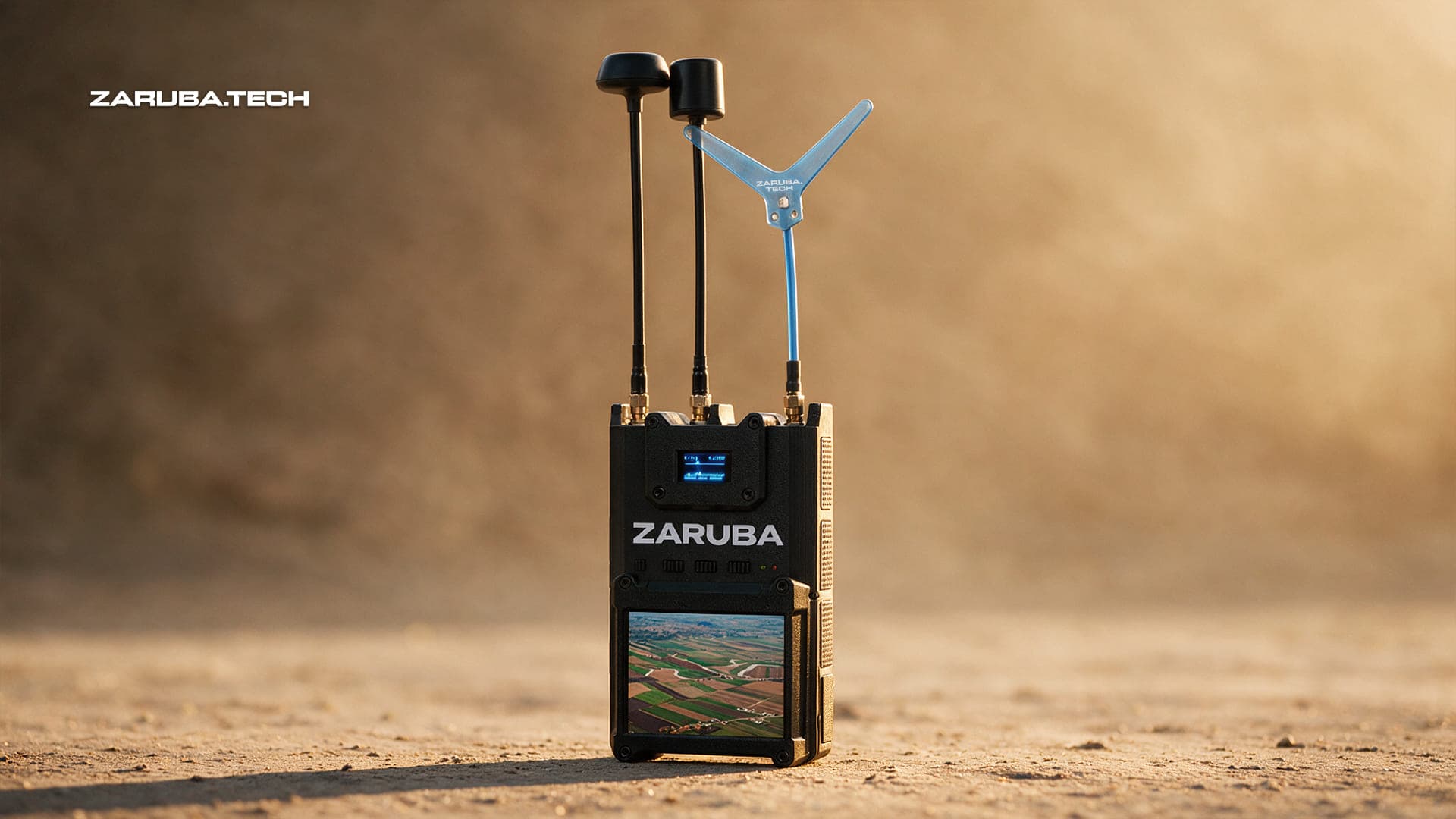
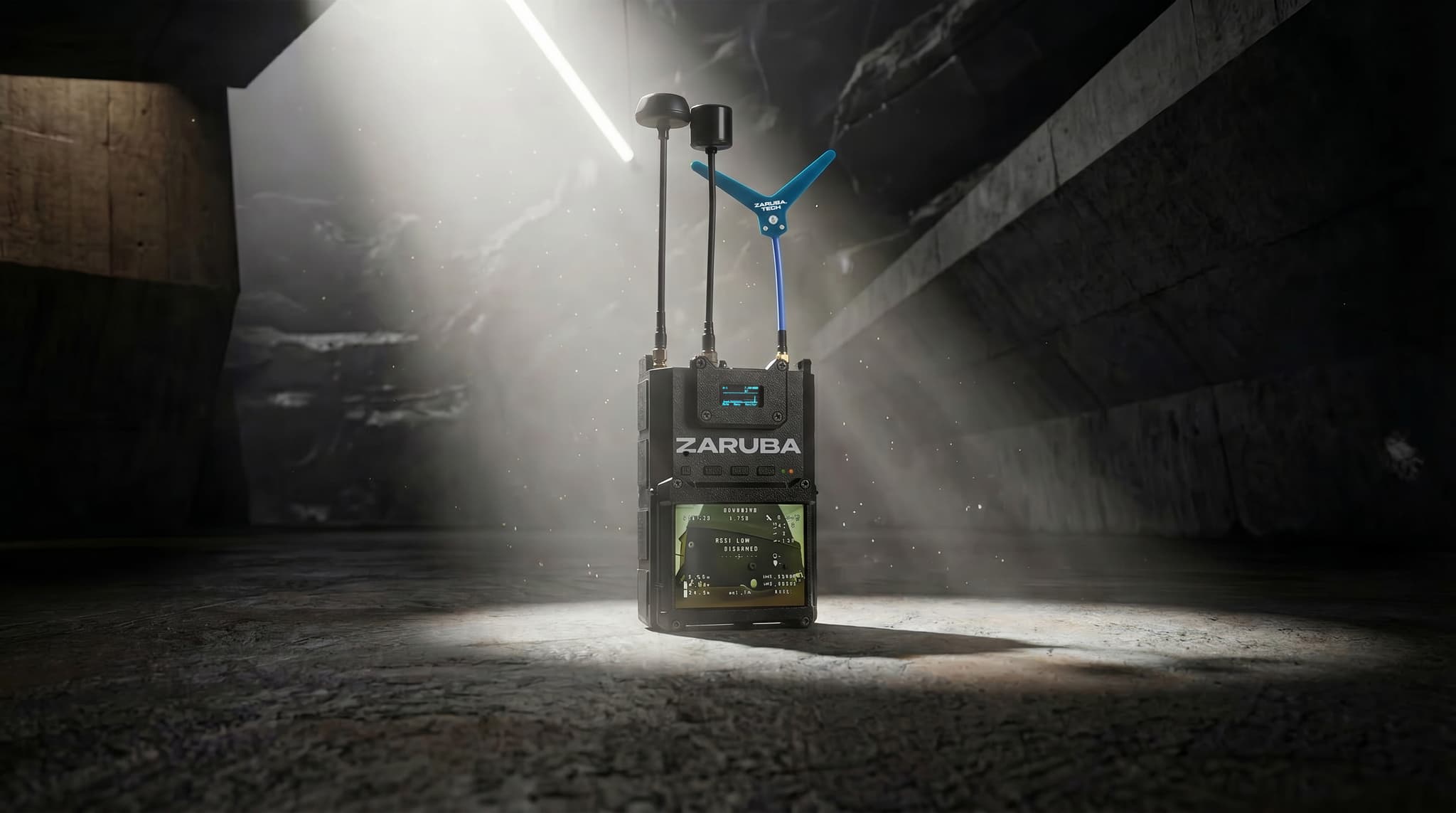
The Zaruba A3 detector is designed for FPV drone detection through passive monitoring of RF activity. Instead of transmitting signals, it scans selected frequency bands commonly used by FPV equipment and analyzes detected emissions in the surrounding environment.
The device supports passive RF detection, allowing operators to monitor for potential FPV activity without creating additional RF interference. Its tri-band scanning capability helps identify signals across different FPV configurations, including systems using common analog video frequencies.
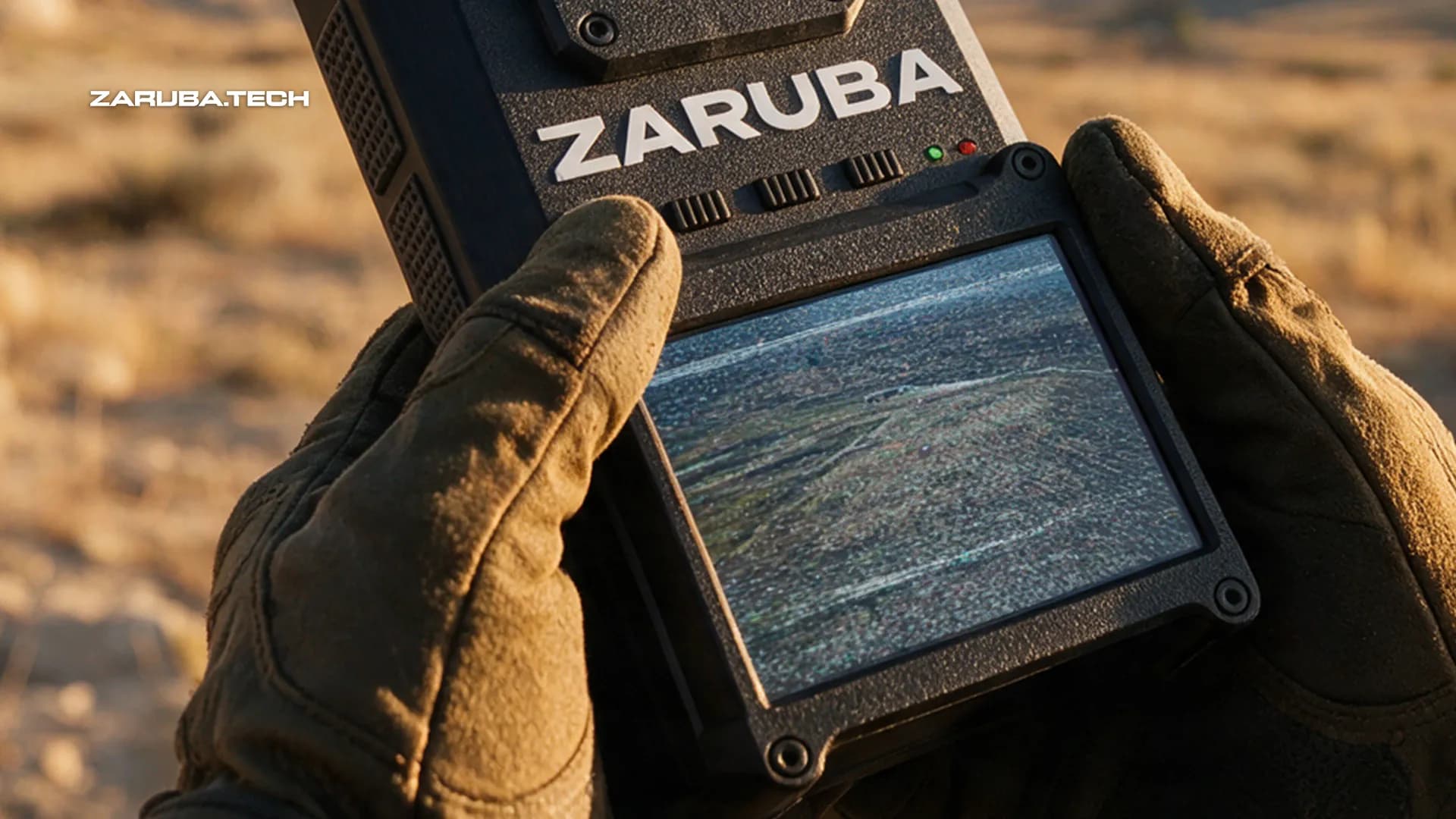
As a portable solution, the Zaruba A3 detector provides mobility for field teams that need rapid awareness of possible drone activity. By detecting RF emissions before visual confirmation is possible, handheld drone detectors can help operators react faster and improve overall situational awareness.
Working directly with Zaruba Tech, a manufacturer of Zaruba A3, gives you access to in-house engineering, product customization, and technical support. This direct collaboration helps adapt drone detection solutions to specific operational requirements and existing security systems.
FAQ
Can RF detectors detect all FPV drones?
No. RF detectors work by identifying electromagnetic emissions from drone communication systems. They are effective against many actively communicating FPV drones but may not detect autonomous or non-emitting systems.
What signals do FPV drone detectors look for?
FPV drone detectors analyze RF signals associated with control links, video transmission, and other communication channels used by FPV equipment.
Is passive RF detection different from radar?
Yes. Passive RF detection receives existing electromagnetic signals, while radar actively transmits signals and analyzes reflections from objects.
What affects FPV detection range?
Detection range depends on factors such as transmitter power, antenna configuration, frequency band, terrain, buildings, and RF interference.
Why is early warning important for FPV drone detection?
Early warning gives you more time to assess a potential threat, verify activity, and coordinate an appropriate response before a drone reaches a critical area.