Surveillance drones are part of the gameplay in Grand Theft Auto VI. In the Close Surveillance mission, players operate a remotely controlled drone to observe characters and gather information. The mission introduces a technology that already exists outside the gaming world and raises an interesting question: how can you detect a surveillance drone before you see it?
From passive radio frequency (RF) detectors to radar and optical sensors, modern drone detection technologies offer different ways to monitor airspace and identify potential UAV activity.
But how realistic are GTA 6 spy drones, and could real-world drone detectors identify a similar aircraft?
How Are Spy Drones Used in GTA 6?
According to published GTA 6 walkthroughs, the Close Surveillance mission features Jason and Karim using a spy drone to remotely observe other characters and gather intelligence.
The mission incorporates several capabilities associated with real-world surveillance drones:
- Remote-controlled flight.
- Live camera feeds.
- Aerial observation.
- Video-based situational awareness.
- Remote information gathering.
These capabilities are not exclusive to video games. Modern surveillance drones use cameras, flight controllers, and communication systems to support remote observation.
However, GTA 6 simplifies the physical, technical, and regulatory limitations that affect real-world drone operations.
One important difference is that real drones may produce detectable radio emissions while transmitting information.
How Do Surveillance Drones Work in Real Life?
A surveillance drone is an unmanned aerial vehicle (UAV) equipped with cameras or other sensors for remote observation.
Depending on its design and intended application, a surveillance drone may use high-resolution cameras, thermal imaging sensors, navigation equipment, and wireless communication systems.
Many drones exchange information with ground equipment through radio frequency signals. These communications can include flight commands, telemetry, and live video.
Video transmission systems generally fall into two categories:
- Analog video transmission: commonly associated with traditional FPV systems.
- Digital video transmission: used by many modern consumer, professional, and FPV drones.
This distinction matters because different drone detection systems are designed to recognize different types of signals.
A detector designed for analog video transmission, for example, does not automatically support digital drone communication protocols.
Can You Detect a Drone Before You See It?
Yes. Certain drone detection technologies can indicate the presence of a drone without requiring direct visual contact.
While small aircraft may be difficult to notice in busy urban environments, specialized sensors can monitor radio emissions or detect physical airborne objects.
However, early detection is not guaranteed. Its effectiveness depends on the aircraft, the detection technology, environmental conditions, and signal compatibility.
It is also important to distinguish between three different processes:
- Detection: establishing the possible presence of a drone.
- Identification: determining additional information about the aircraft.
- Tracking: monitoring its location or movement over time.
A detection alert alone does not necessarily provide all three capabilities.
How Does RF Drone Detection Work?
Radio frequency drone detection involves monitoring electromagnetic activity associated with unmanned aircraft and their communication systems.
Passive RF detection systems receive existing radio signals without actively transmitting energy to locate an aircraft.
Depending on the detector's design, it may recognize signals associated with video transmission, telemetry, or wireless drone control.
Specialized analog video detectors focus on a narrower category of radio activity. Their purpose is to provide awareness of compatible video transmissions rather than identify every wireless device or aircraft.
This makes RF detection fundamentally different from radar, which detects physical objects using reflected electromagnetic energy.
Read more about how passive RF drone detection works and the role of radio monitoring in airspace awareness.
What Technologies Are Used to Detect Surveillance Drones?
Modern airspace monitoring systems use several complementary detection technologies.
Technology | Detection principle | Primary function |
Passive RF detection | Radio frequency emissions | Detection of compatible wireless signals |
Radar | Reflected radio waves | Physical object detection and tracking |
Optical cameras | Visible-light imagery | Visual identification and confirmation |
Thermal imaging | Infrared radiation | Thermal observation and confirmation |
Acoustic sensors | Sound signatures | Recognition of potential aircraft activity |
Remote ID receivers | Identification broadcasts | Reception of identification and location information |
Each technology provides a different type of information. RF detection can indicate compatible radio activity, while radar provides information about physical airborne objects. Optical and thermal systems can support further identification.
These differences explain why professional airspace monitoring often uses layered counter-UAS detection systems rather than relying on a single sensor.
For a closer look at these technologies, explore the differences between RF drone detection and radar.
Could Zaruba A3 or A4 Detect a GTA 6 Spy Drone in Real Life?
The answer depends on the technology used by the fictional aircraft.
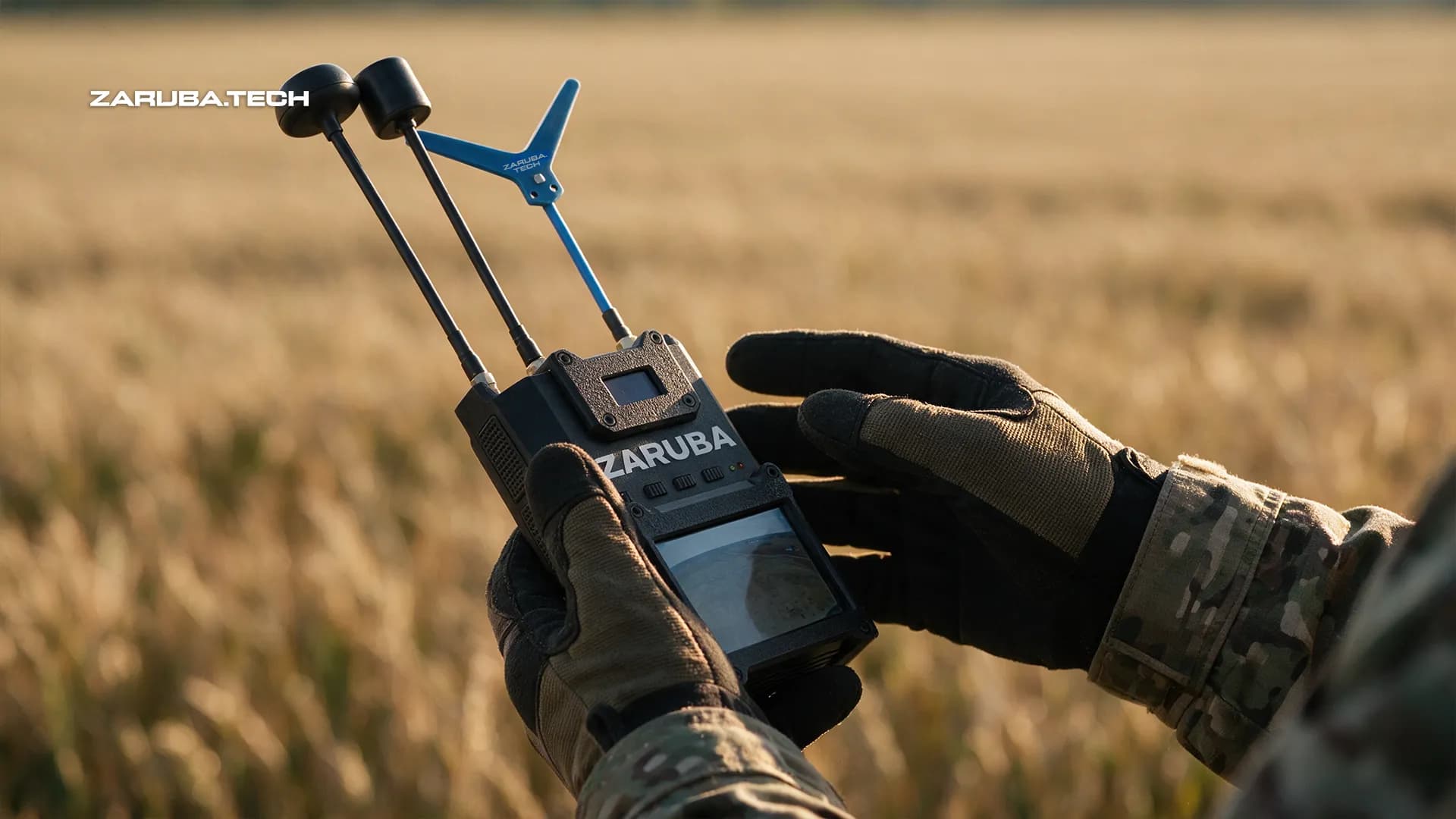
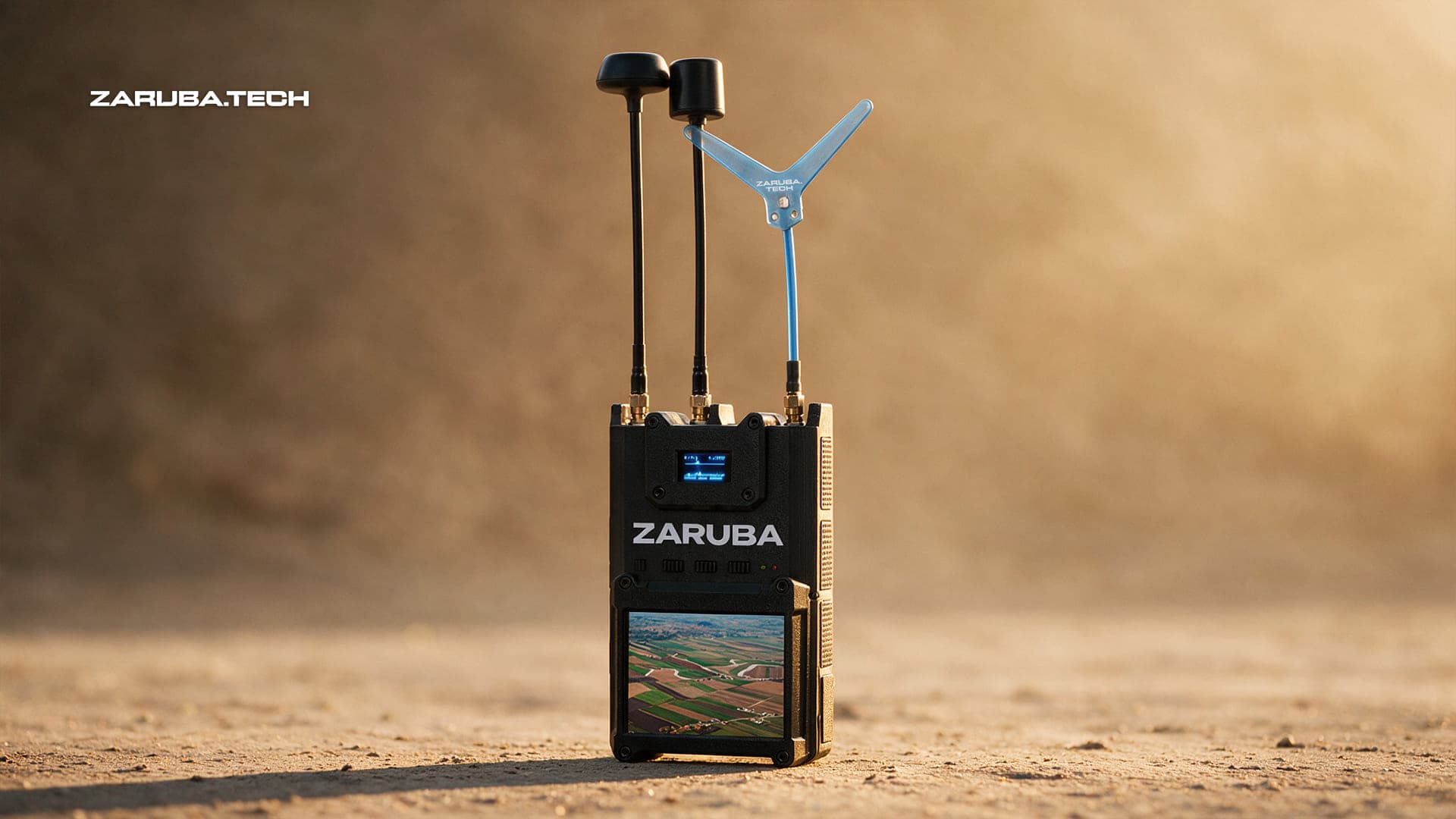
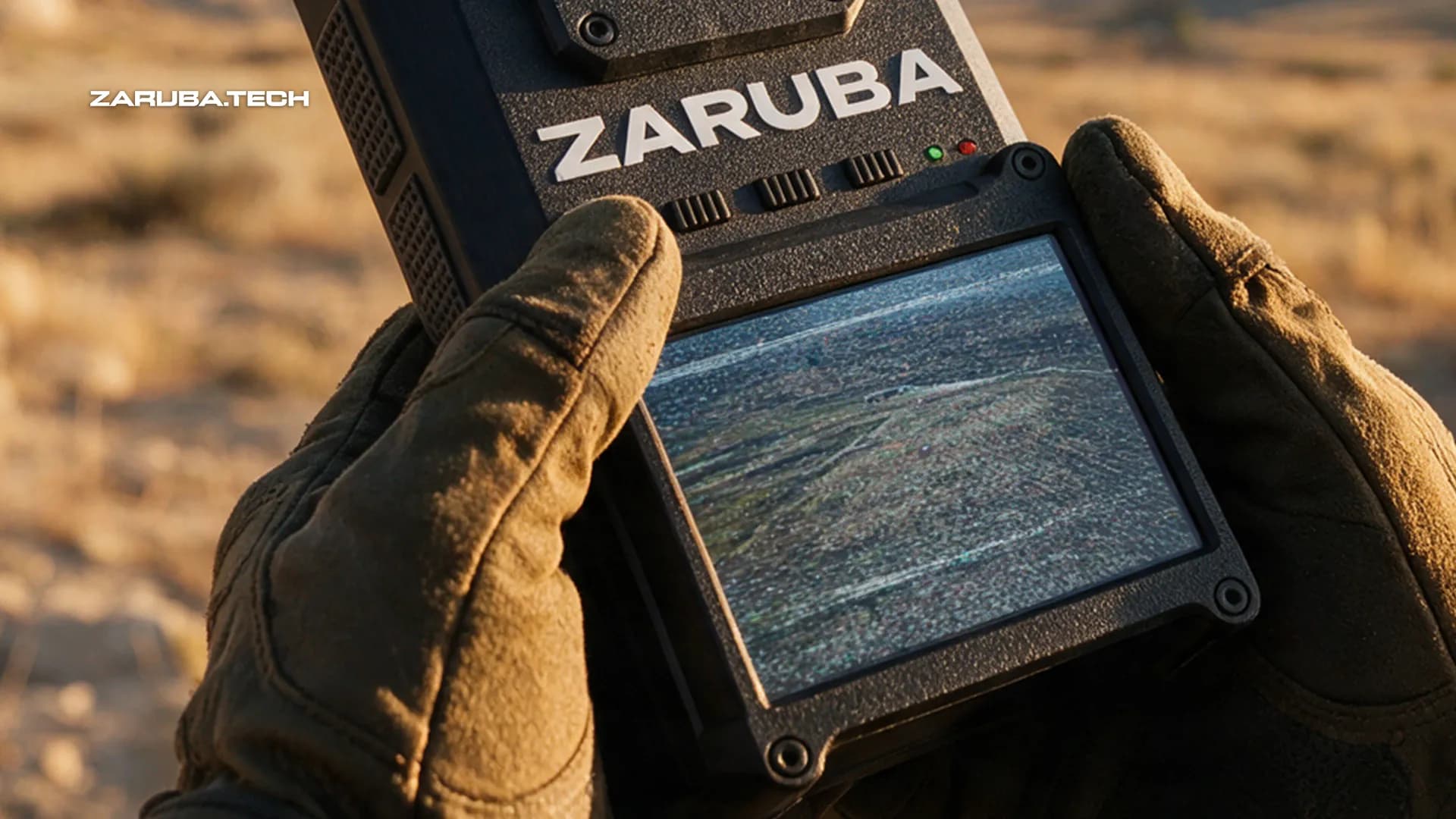
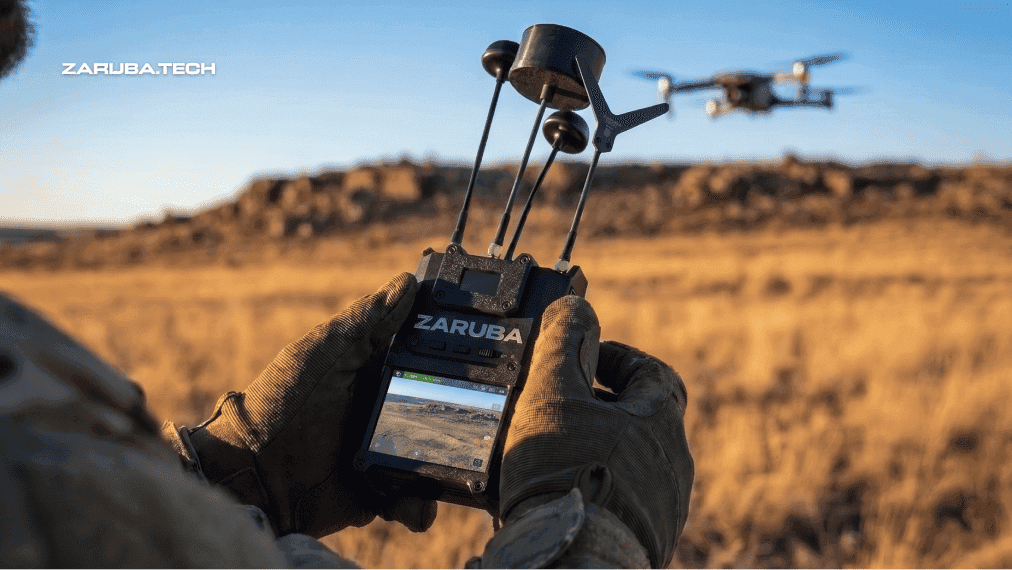
Zaruba Tech develops portable passive drone detectors designed to recognize compatible analog video transmissions associated with FPV drones.
The Zaruba A3 and A4 are two models within this product family.
Feature | Zaruba A3 | Zaruba A4 |
Detection technology | Passive RF | Passive RF |
Supported signal type | Analog video | Analog video |
Supported frequency bands | 3 | 4 |
Automatic spectrum scanning | Yes | Yes |
Visual and audio alerts | Yes | Yes |
Form factor | Portable | Portable |
The Zaruba A4 expands frequency coverage compared with the A3, supporting a broader selection of compatible analog video transmissions.
However, broader frequency coverage does not necessarily mean greater detection distance or universal compatibility with all drones.
Because the communication specifications of the GTA 6 spy drone are not established in the available gameplay information, it is impossible to confirm whether either device would detect it in a real-world scenario.
The Zaruba drone detector series demonstrates how specialized passive RF technology can provide an additional source of information about drone-related radio activity.
GTA 6 Spy Drones vs. Real-World Drone Technology
Although GTA 6 incorporates recognizable drone capabilities, real-world surveillance systems operate under considerably different conditions.
Feature | GTA 6 spy drone | Real-world surveillance drone |
Remote observation | Gameplay feature | Available depending on equipment |
Live video transmission | Gameplay feature | Depends on communication technology |
Flight duration | Determined by game mechanics | Limited by aircraft design and battery capacity |
Radio signal behavior | Not technically specified | Governed by communication systems and radio physics |
Drone detection | Determined by game mechanics | Requires suitable detection technology |
Privacy and aviation rules | Fictional environment | Subject to applicable laws and regulations |
Another major difference is that real-world detection involves uncertainty.
A drone detector may indicate radio activity or the presence of an aircraft, but it cannot independently establish why the drone is operating or whether it represents a threat.
Drone Detection and Remote ID in the United States
In the United States, drone operations are subject to Federal Aviation Administration (FAA) regulations.
Drones that are registered or required to be registered generally need to comply with applicable FAA Remote ID requirements.
Remote ID enables equipped drones or broadcast modules to transmit identification and location information.
Unlike conventional RF detection, which monitors compatible radio activity, Remote ID relies on standardized identification broadcasts.
Drone detection should also be distinguished from drone jamming or other forms of interference. Monitoring airspace and interfering with aircraft communications are separate activities governed by different legal requirements.
The use of detection systems must comply with applicable aviation, communications, and privacy laws.
Why Drone Detection Technology Matters Beyond GTA 6
GTA 6 introduces millions of players to recognizable concepts associated with modern surveillance drones. Outside the game, however, drone detection is a significant engineering challenge.
As unmanned aircraft become more common in infrastructure inspection, emergency response, commercial aviation, and security applications, reliable airspace awareness becomes increasingly important.
Zaruba Tech develops specialized passive RF detection technologies that complement other sources of airspace information. The Zaruba A3 and A4 drone detectors demonstrate the role of analog video signal monitoring within the wider drone detection technology landscape.
While video games simplify surveillance and detection for gameplay, real-world systems must account for signal compatibility, environmental conditions, technical limitations, and applicable regulations.
The challenge is not simply detecting a drone. It is understanding what a detection system can reliably tell us about the surrounding airspace.
Frequently Asked Questions
Are there spy drones in GTA 6?
Yes. Published GTA 6 walkthroughs describe the Close Surveillance mission, in which Jason and Karim use a remotely controlled drone to observe other characters and collect information.
Are GTA 6 surveillance drones realistic?
Many of their capabilities, including remote flight and live camera-based observation, exist in real-world drones. However, GTA 6 simplifies flight mechanics, communications, and other technical limitations.
How can you detect a spy drone in real life?
Drone detection technologies include passive RF sensors, radar, optical cameras, thermal imaging, and acoustic sensors. Their effectiveness depends on the aircraft and the capabilities of the detection system.
Can you detect a drone without seeing it?
Yes. RF sensors and radar can provide information about potential drone activity without requiring direct visual observation of the aircraft.
Can RF drone detectors detect all types of drones?
No. RF detectors have different frequency coverage and signal recognition capabilities. A detector designed for analog video signals does not automatically support all digital drone communication systems.
What is the difference between Zaruba A3 and Zaruba A4?
Both models are portable passive RF detectors designed for compatible analog video signals. The Zaruba A3 supports three frequency bands, while the A4 supports four.
Can a drone detector tell if a drone is spying on you?
No. Detecting drone activity does not establish the purpose of a flight or the intentions of its operator.
Is drone detection the same as drone jamming?
No. Drone detection monitors potential aircraft activity, while drone jamming interferes with communications. These technologies serve different purposes and are subject to different legal requirements.