How Drone Detectors Are Changing the Modern Battlefield
Drones have become one of the defining technologies of modern warfare. They are used for reconnaissance, artillery fire correction, surveillance, and precision strikes, making it increasingly difficult for military units to operate unnoticed. Military recon drones can provide valuable intelligence from the air, while other UAVs support targeting and surveillance missions. As UAV threats continue to grow, early warning has become a critical part of battlefield awareness.
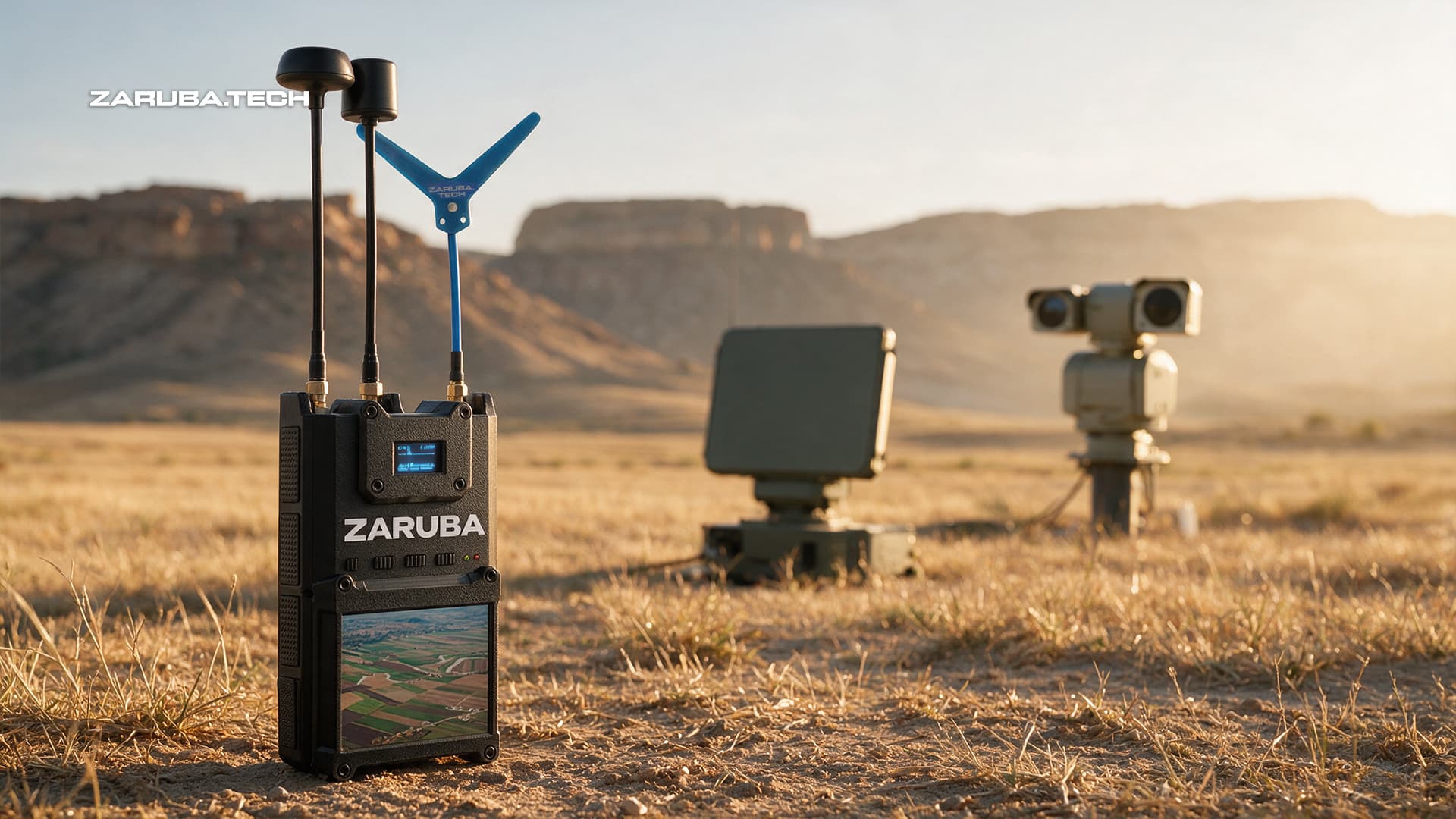
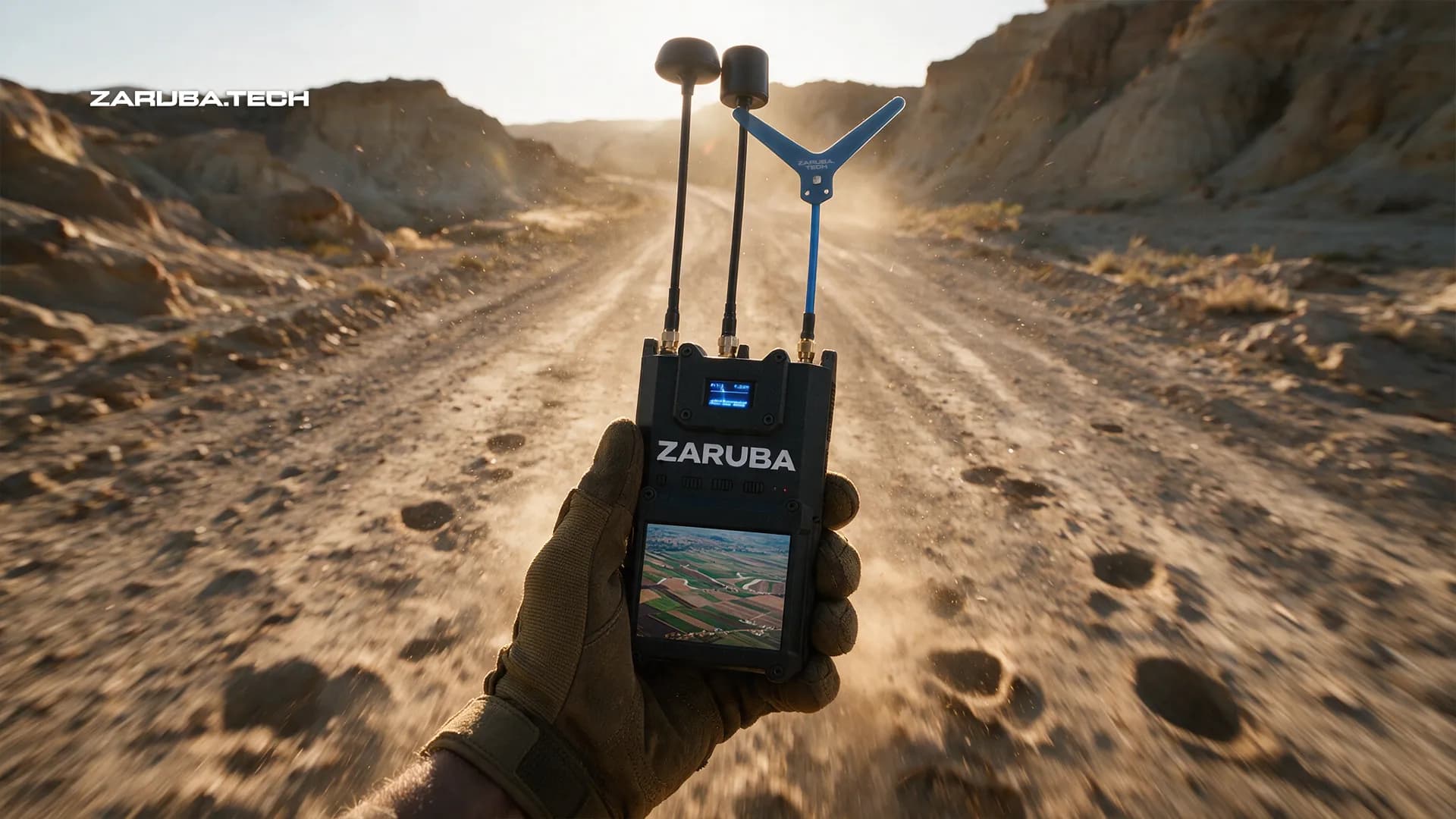
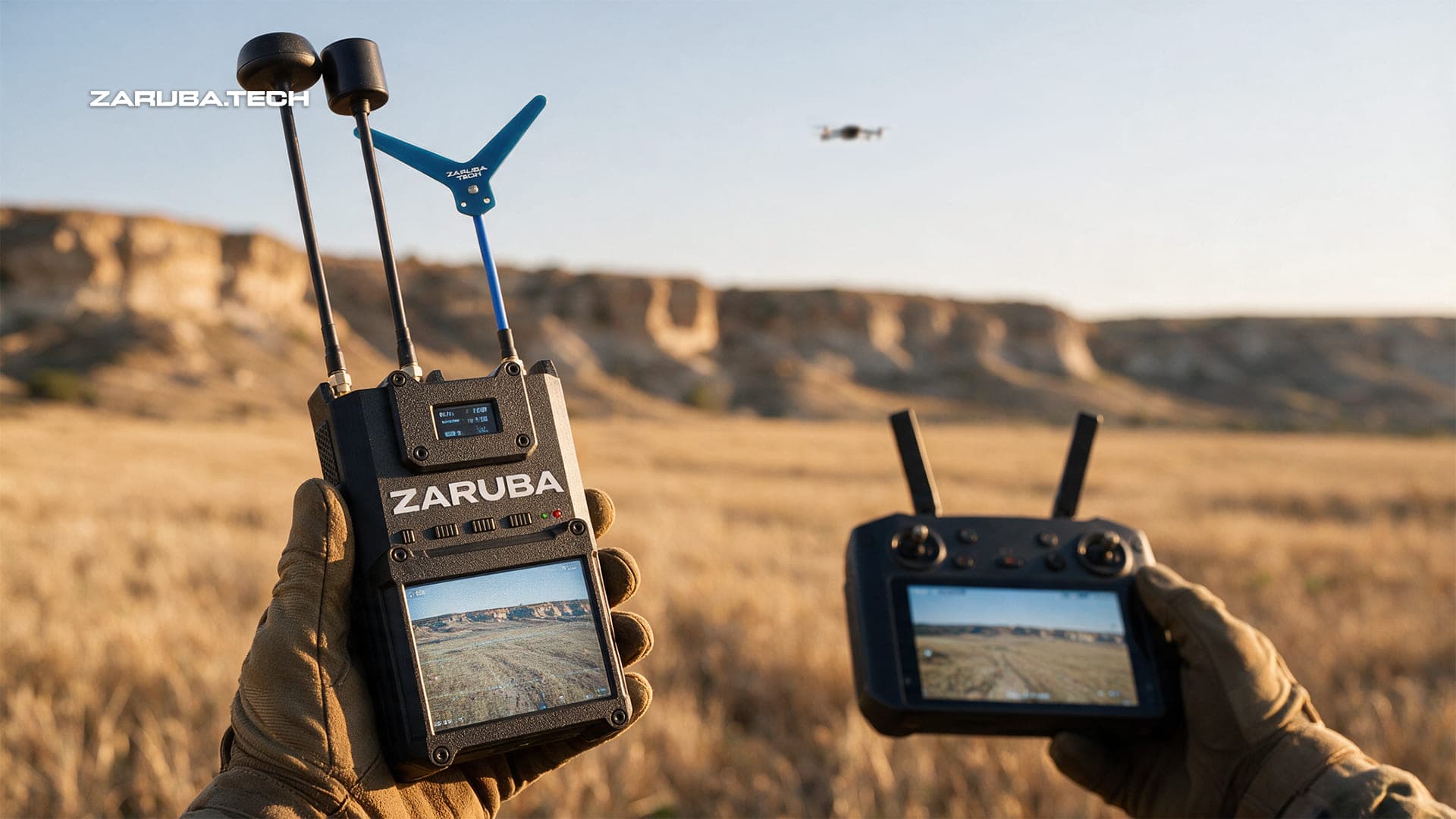
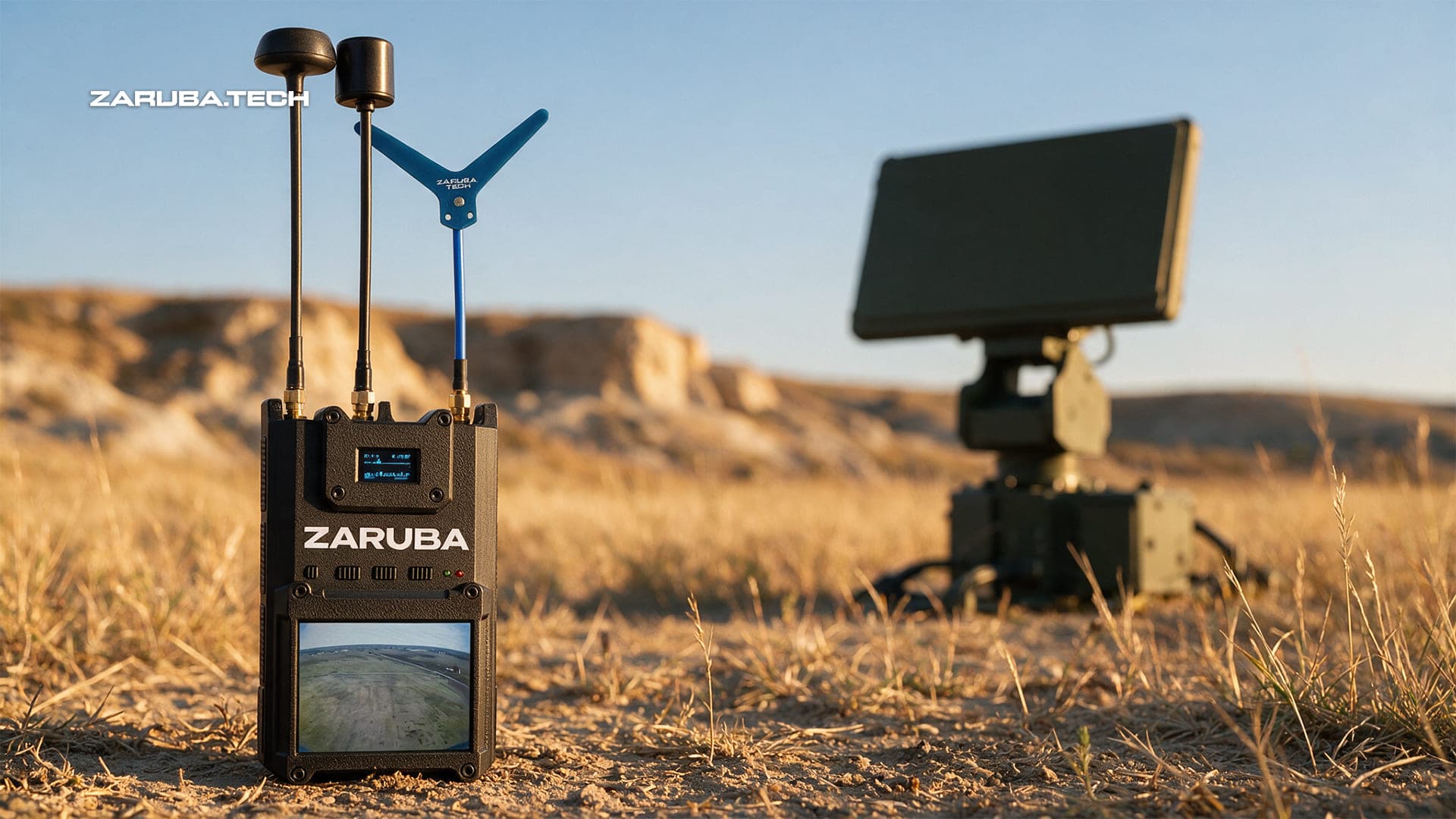
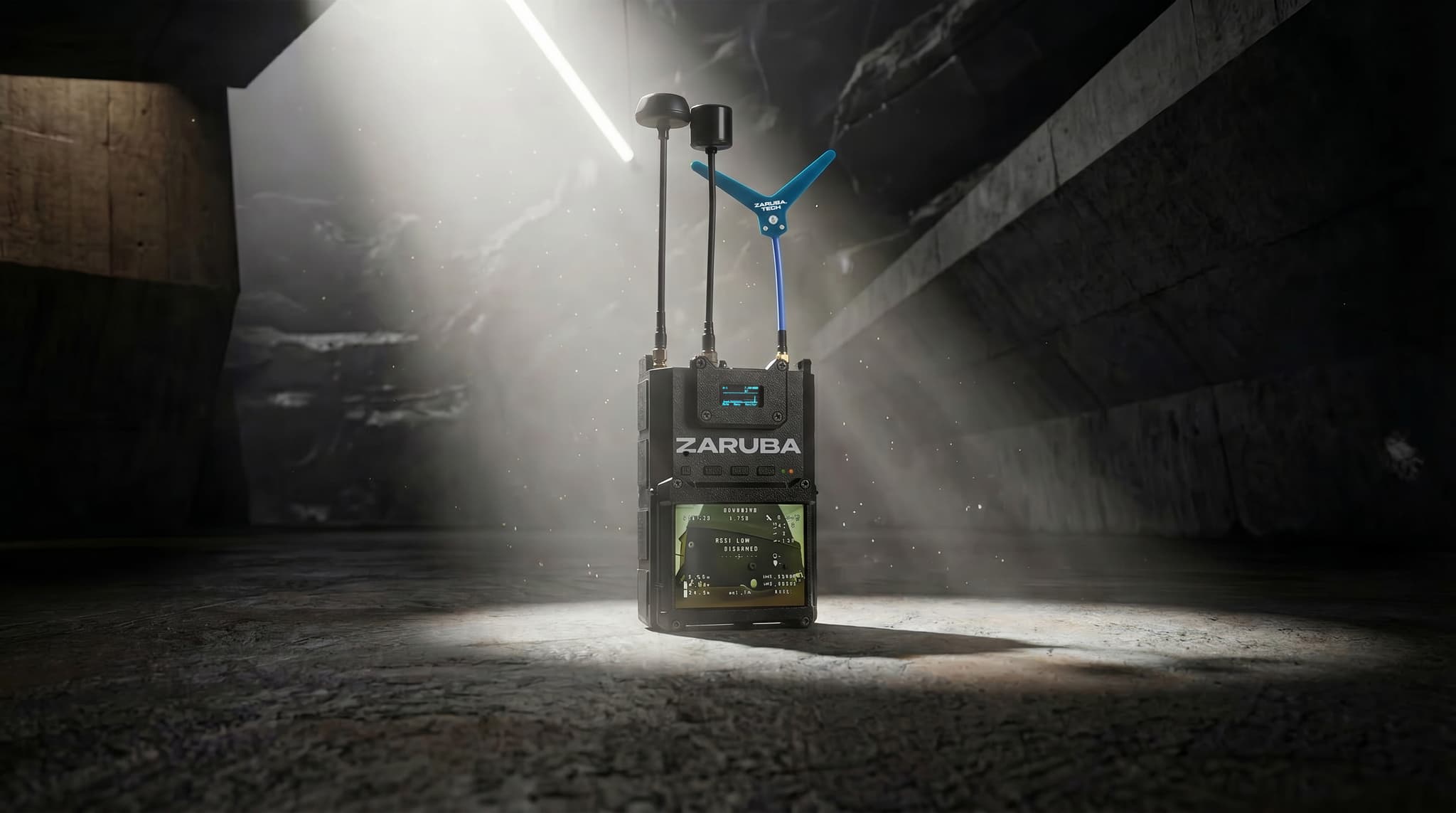
Solutions like Zaruba A3 drone detector help address this challenge by identifying drone-related radio-frequency activity before a UAV reaches its target. Their value lies not in directly defeating the threat, but in giving military personnel more time to react.
Why Drones Have Changed the Modern Battlefield
Today's drones are widely used for intelligence gathering, target acquisition, fire correction, and FPV attacks. Their affordability and accessibility enable deployment at scale, exposing troop movements and positions that were once difficult to detect. Similar technologies are also used outside combat environments, including security patrol drones that help monitor large or difficult-to-access areas.
As a result, battlefield survival increasingly depends on recognizing drone activity as early as possible.
What Is a Drone Detector And What Problem Does It Solve?
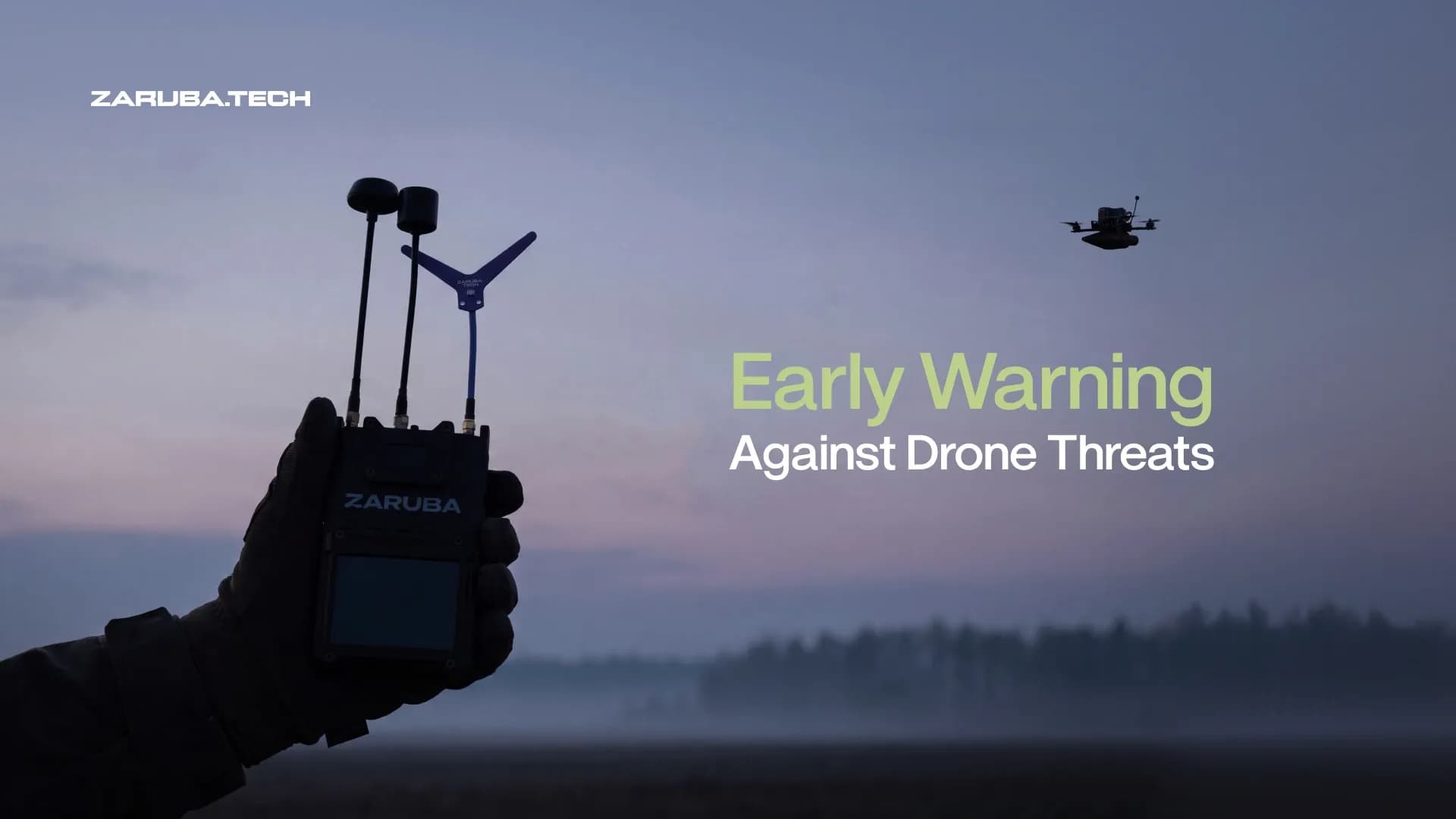
A drone detector is a passive device that monitors the radio-frequency spectrum for signals associated with UAVs. Rather than interfering with a drone, it serves as an early warning system, alerting personnel to potential drone activity nearby. This additional reaction time allows military units to assess the threat, warn personnel, and prepare an appropriate response before the drone reaches its target area.
A surveillance drone may itself be used to monitor an area, making early detection especially important when distinguishing friendly and potentially hostile UAV activity.
How Drone Detectors Provide More Reaction Time
The greatest advantage of a drone detector is the additional time it gives commanders and soldiers to make decisions.
Early warning allows units to:
- Alert personnel
- Take cover or reposition
- Prepare electronic warfare systems
- Coordinate with nearby units
Even a short warning can significantly improve a unit's ability to respond.
Drone Detectors in a Counter-UAS System
Drone detectors are most effective as part of a layered Counter-UAS strategy. They work alongside electronic warfare, visual observation, communications, and command systems to improve overall situational awareness rather than acting as a standalone solution. By combining information from multiple sources, military units can detect threats earlier, make faster decisions, and coordinate a more effective response.
Visual surveillance can provide an additional layer of information. For example, a thermal camera drone can help operators observe areas from the air and identify heat signatures, complementing RF-based detection with visual and thermal information.
What to Consider When Choosing a Drone Detector
Military users should evaluate several key characteristics:
- Wide detection frequency coverage – Detects signals across multiple UAV communication bands.
- Passive operation – Monitors threats without transmitting detectable radio signals.
- Reliable detection range in real conditions – Maintains performance despite terrain and interference.
- Fast alerts – Provides immediate notification of detected drone activity.
- Long battery life – Supports extended missions without frequent recharging.
- Easy operation – Simple controls enable quick deployment and use.
- Rugged construction – Withstands harsh battlefield and environmental conditions.
- Regular software updates – Improves detection of evolving drone technologies.
- Integration with other defense systems – Shares data across broader Counter-UAS networks.
Drone Detector Limitations in Combat
Drone detectors are highly useful but not a universal solution. Their performance depends on factors such as the drone type, radio-frequency environment, terrain, and the UAV's communication methods. Understanding these limitations helps set realistic expectations and highlights the need for a comprehensive Counter-UAS approach.
Why Drone Detectors Matter for Modern Military Units Today
Modern drone threats evolve quickly, leaving little time to react. The earlier a unit detects a UAV, the more options commanders have to protect personnel, reposition assets, and coordinate defensive measures. As drones become a constant presence on the battlefield, early warning capabilities are becoming an essential part of improving operational awareness and increasing mission survivability.
Early Detection Creates a Tactical Advantage
Drone detectors are changing the battlefield by shifting threat detection earlier in the engagement. They do not eliminate drones themselves, but they provide valuable time for military units to assess the situation and respond effectively. As drone warfare continues to evolve, early warning systems are becoming an essential component of modern military operations.
Organizations evaluating drone detection and other unmanned technologies can explore Zaruba's full product range to compare available systems and platforms.