Will the Arctic become the new center of global confrontation?
Global geopolitics is gradually shifting toward regions that were, until recently, considered peripheral. The Arctic is one such area, rapidly gaining strategic importance for the world’s leading powers. For the United States, this concerns not only access to resources but also control over key logistical routes, military presence, and long-term security architecture.
Climate change is opening new opportunities: melting ice makes the region more accessible for shipping, resource exploration, and infrastructure development. This is transforming the Arctic from an isolated area into a potential center of global competition.
The role of Greenland and the strategic importance of the Arctic
Greenland occupies a key position in this transformation. Its geographic location between North America and Europe makes it an important element of the United States’ security system. Today, the island already hosts military facilities that support early warning and airspace control.
Beyond its military significance, Greenland holds substantial deposits of rare earth metals and other resources that are critical for modern technologies — from electronics to the defense industry. Control over these resources is becoming part of a broader economic competition.
Overall, the Arctic provides access to new maritime routes that can significantly reduce transit times between Asia, Europe, and North America. This creates a new dynamic for global logistics and trade.
Great power competition: USA, China, and Russia
The Arctic region is becoming a crossroads of interests for several major powers. The United States seeks to strengthen its presence and ensure regional stability through allies and partners. Russia is actively expanding its military and infrastructure presence in the north, viewing the Arctic as a zone of strategic influence.
China, although not an Arctic state geographically, is also showing interest in the region by investing in infrastructure, research, and logistical projects. Its approach is based on long-term access to resources and new trade routes.
As a result, a complex system of interaction is emerging, where economic interests are closely intertwined with security and military considerations.
The Arctic as a new geopolitical challenge
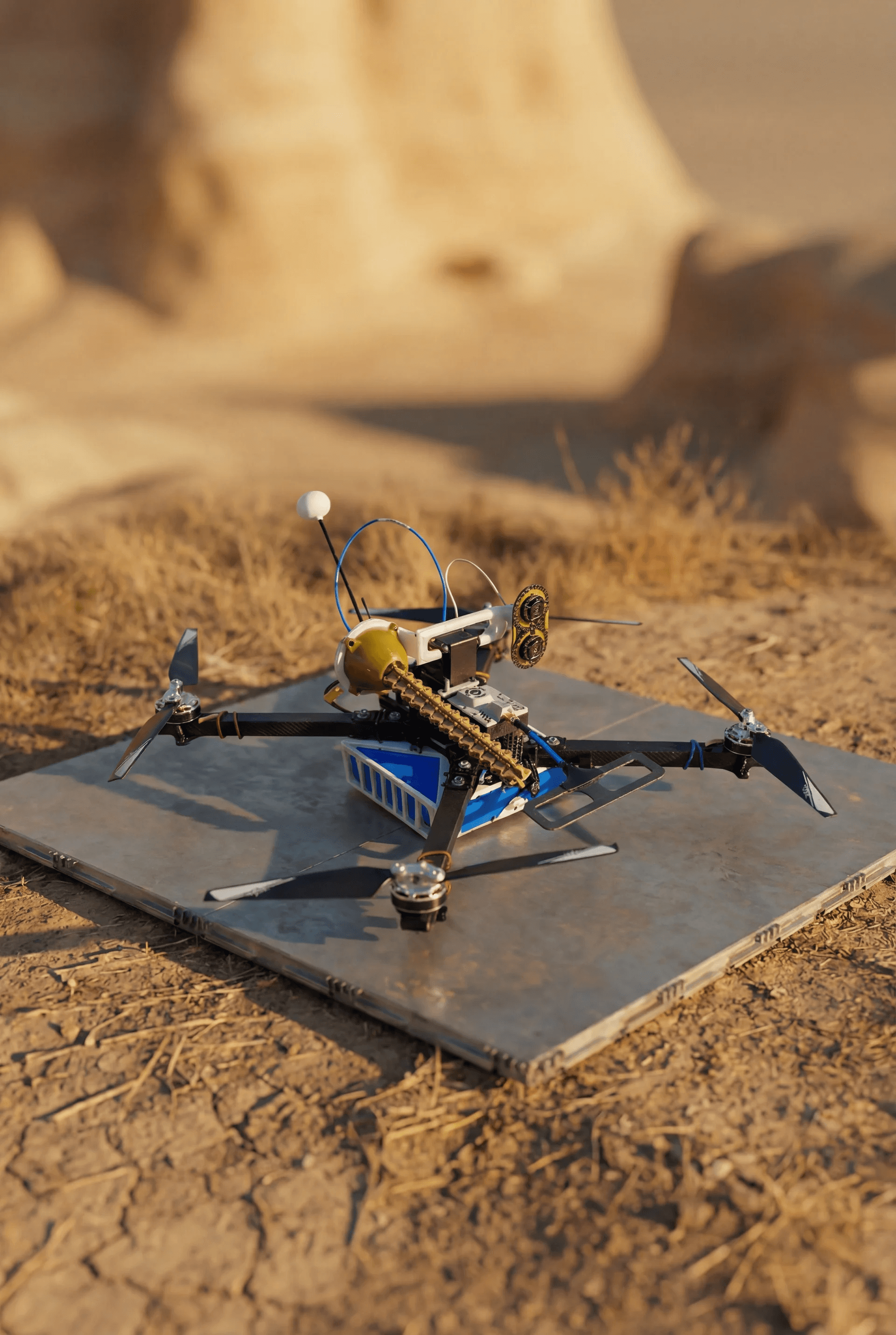
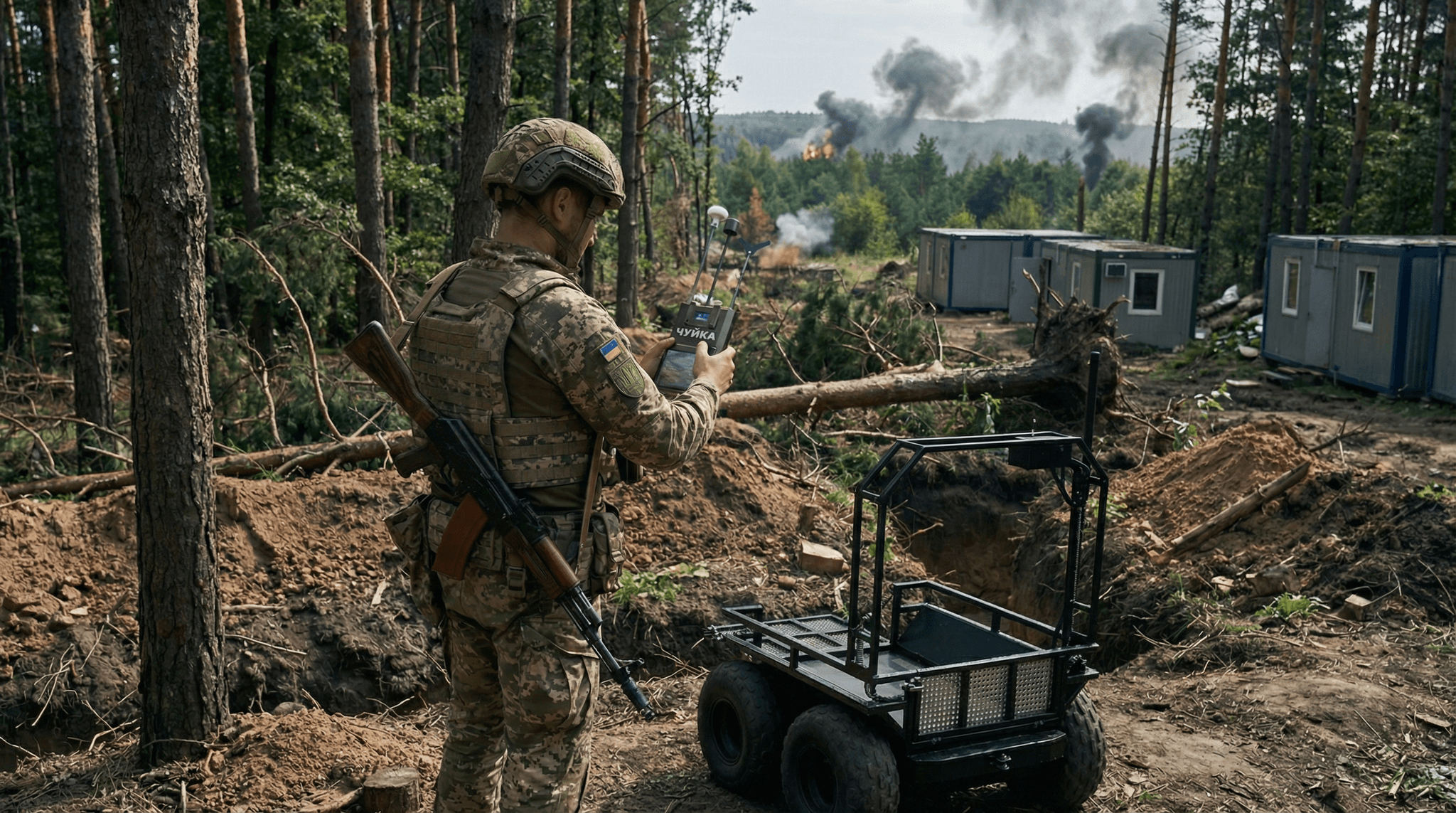
The growing interest in the Arctic is accompanied by the development of technologies capable of operating in extreme conditions: satellite systems, autonomous platforms, drones, and sensor networks for monitoring vast areas. For the United States, this means the need to invest in solutions that ensure a stable presence in remote regions and effective operations in harsh climates. At the same time, increased activity in the region heightens risks: the lack of clear international rules, environmental threats, and the growing military presence of various states create potential for tension and conflict.
The Arctic is gradually becoming a strategic region where resources, logistics, technology, and security interests converge. For the United States, this entails active involvement in shaping rules, developing partnerships, and strengthening its own positions. In the future, the ability to integrate economic, military, and technological tools will determine the balance of power, and the Arctic itself will increasingly become a new center of global confrontation.