Communication
Promin
Line of aerial repeater drones and modular repeater systems that create a stable intermediate communication node between FPV drones and ground control stations.
Testing our devices at a military training ground
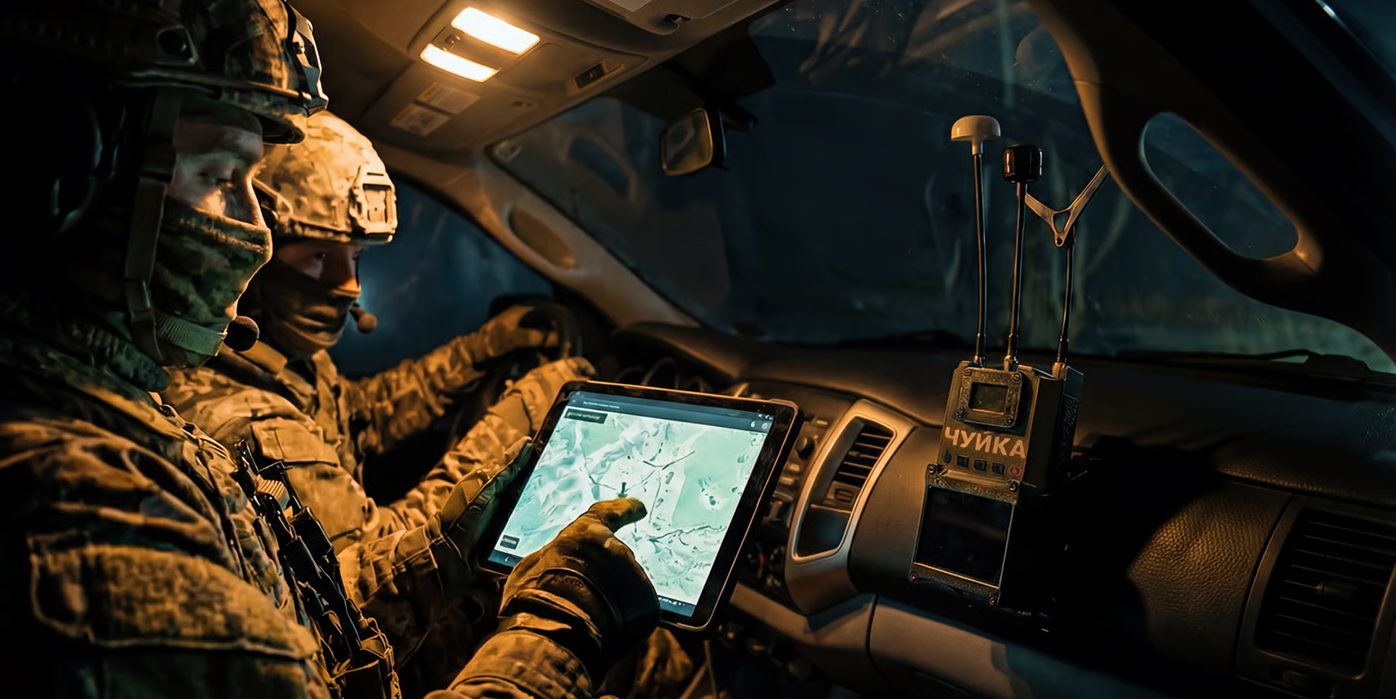
Testing our devices at a military training ground
Modification and technical characteristics
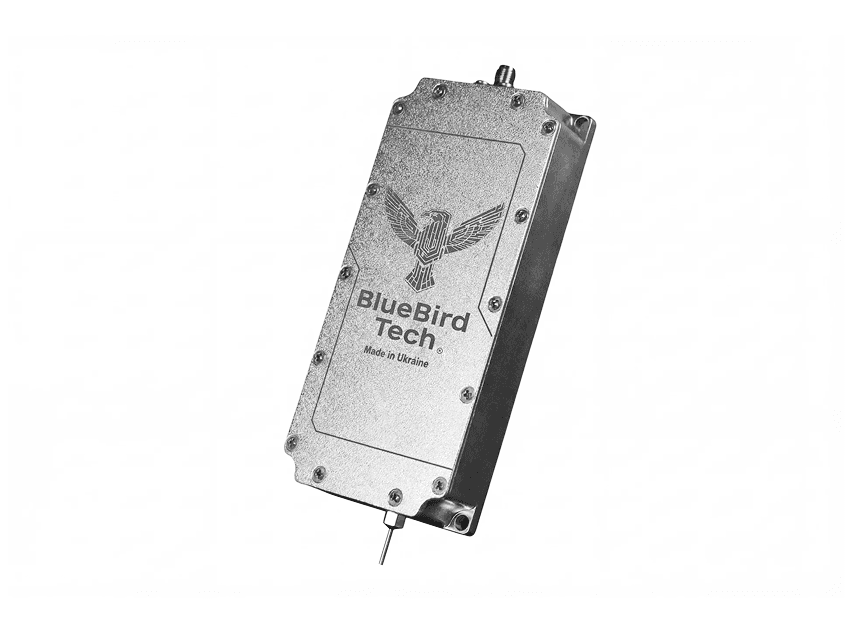
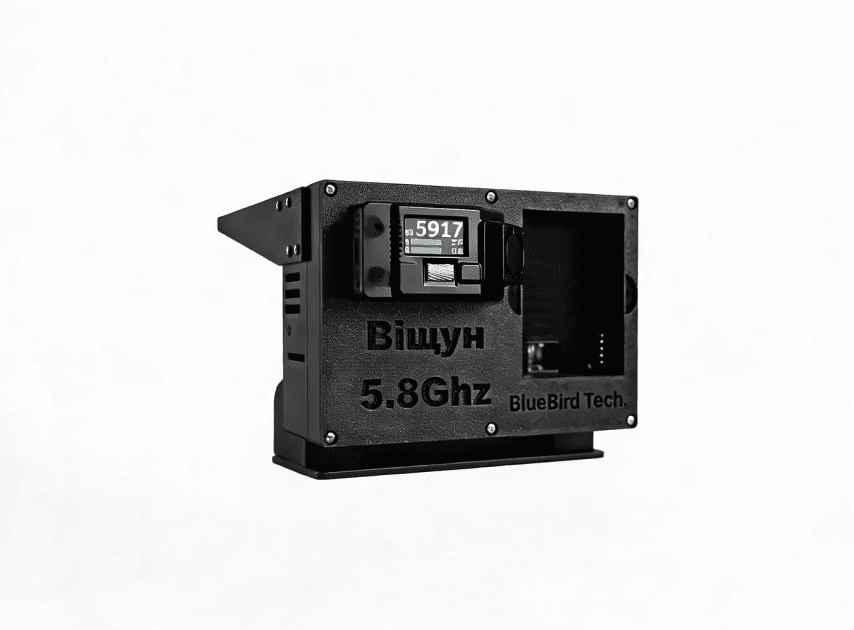
"Vishchun-P" Repeater

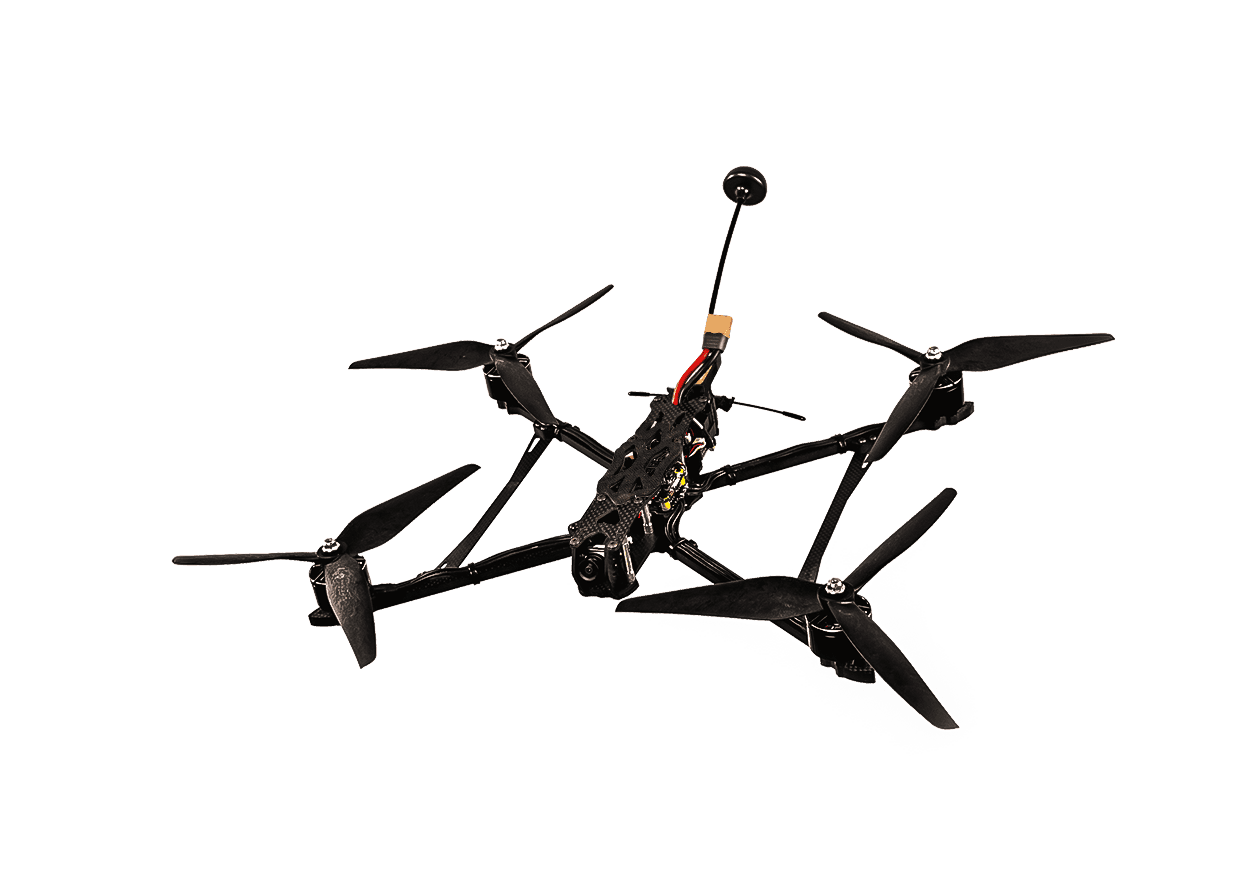
"Promin-13" Repeater

"Promin-10" Repeater

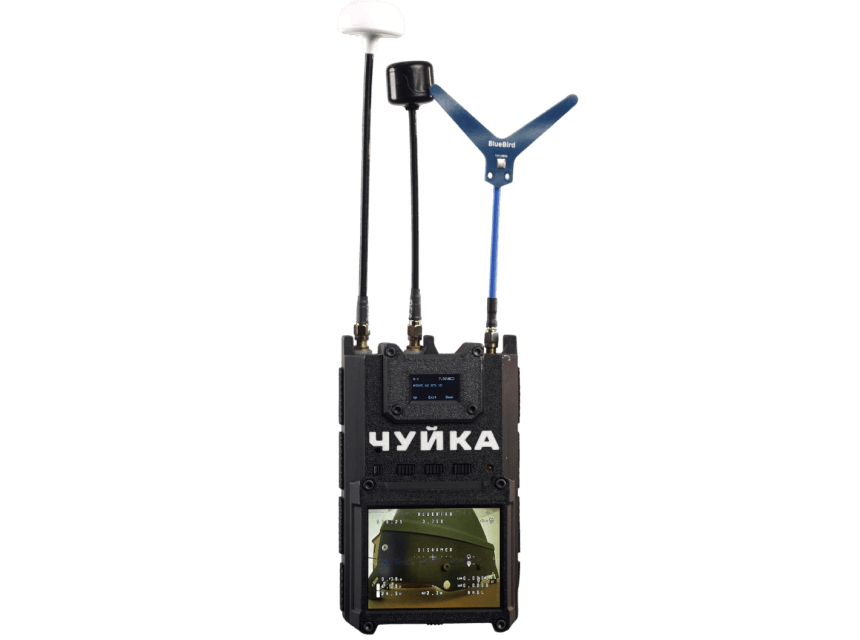
"Vishchun-M" FPV Repeater

"Promin" is a line of aerial repeater drones and modular repeater systems that create a stable intermediate communication node between FPV drones and ground control stations. The platform ascends to a designated altitude, receives video and telemetry signals from the drone, and retransmits them from an advantageous position, extending the range of reliable control and data transmission.
The "Promin" systems are designed to operate in environments without GPS/GNSS, in the presence of terrain obstacles, dense structures, or active electronic interference. Optical stabilization allows carrier drones to maintain altitude, heading, and position autonomously, reducing the operator's workload and increasing mission reliability. The modular architecture of the repeaters allows the system to be integrated with most carrier drones or to use specialized "Promin-13" and "Promin-10" platforms.
Key Features
The video and telemetry communication range of up to 15 km for aerial relays extends the system's effective operational radius, allowing large areas to be covered without the need for frequent redeployment or operator movement.
The video and telemetry communication range of up to 15 km for aerial relays extends the system's effective operational radius, allowing large areas to be covered without the need for frequent redeployment or operator movement.
Technical characteristics
The video and telemetry communication range of up to 15 km for aerial relays extends the system's effective operational radius, allowing large areas to be covered without the need for frequent redeployment or operator movement.
Airborne autonomy of up to 55–60 minutes for the carrier drone and up to 30 minutes for integrated solutions provides prolonged support of a stable communication link without the need for frequent servicing or battery replacement.
The bodies of the aerial modules are made of impact- and heat-resistant polymer materials, providing mechanical protection for internal components during transport and operation.
High-gain antennas create an optimal signal radiation pattern, enhancing the stability of reception and transmission in environments with varying terrain, structures, and radio frequency interference.
Technical characteristics
The video and telemetry communication range of up to 15 km for aerial relays extends the system's effective operational radius, allowing large areas to be covered without the need for frequent redeployment or operator movement.
Airborne autonomy of up to 55–60 minutes for the carrier drone and up to 30 minutes for integrated solutions provides prolonged support of a stable communication link without the need for frequent servicing or battery replacement.
The bodies of the aerial modules are made of impact- and heat-resistant polymer materials, providing mechanical protection for internal components during transport and operation.
High-gain antennas create an optimal signal radiation pattern, enhancing the stability of reception and transmission in environments with varying terrain, structures, and radio frequency interference.