The global order established after World War II is under unprecedented strain. Rising powers challenge Western dominance, regional conflicts threaten to escalate, and the international institutions designed to maintain peace struggle to remain relevant.
The Shifting Balance of Power
For decades, American military and economic supremacy provided the foundation for global stability. That era is ending. China's rise, Russia's resurgence, and the emergence of new regional powers have created a multipolar world with competing visions for international order.
We are witnessing the end of the unipolar moment. The question is what comes next.
Regional Flashpoints
Several regions present acute risks of conflict escalation:
Taiwan Strait — Rising tensions between China and the United States
Eastern Europe — The ongoing war in Ukraine and NATO expansion
Middle East — The complex web of alliances and rivalries
Indo-Pacific — Maritime disputes and strategic competition
The Role of Technology
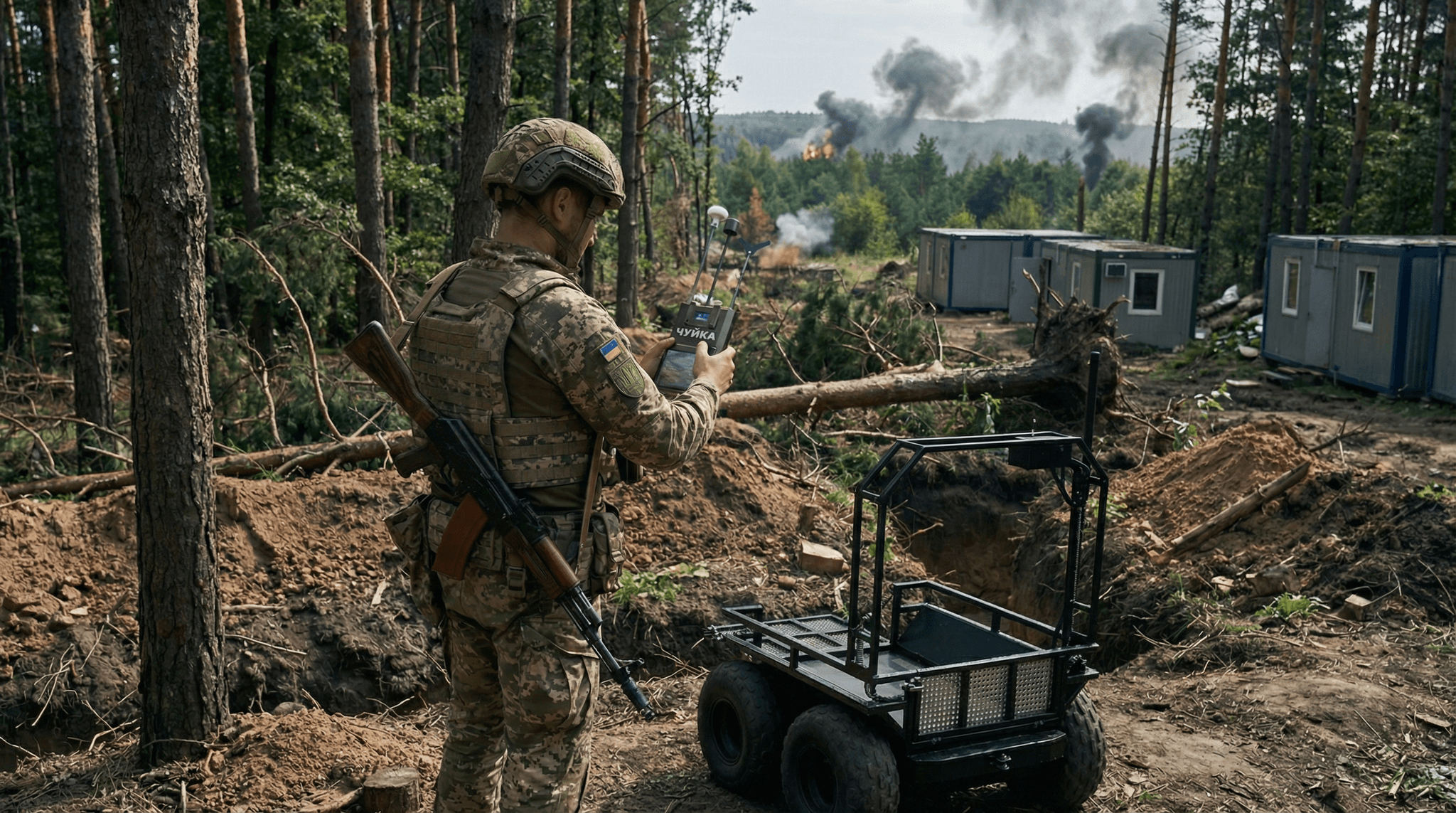
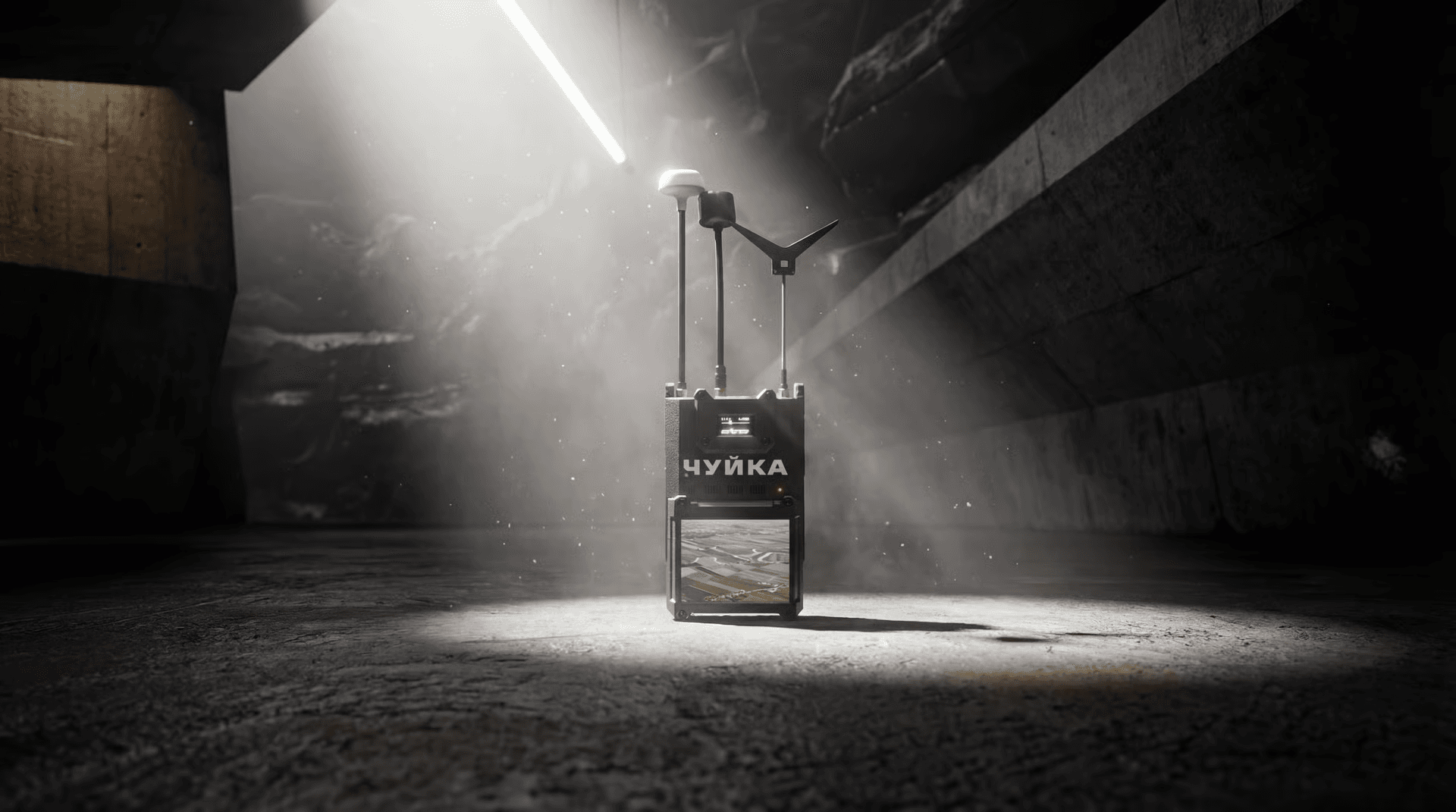
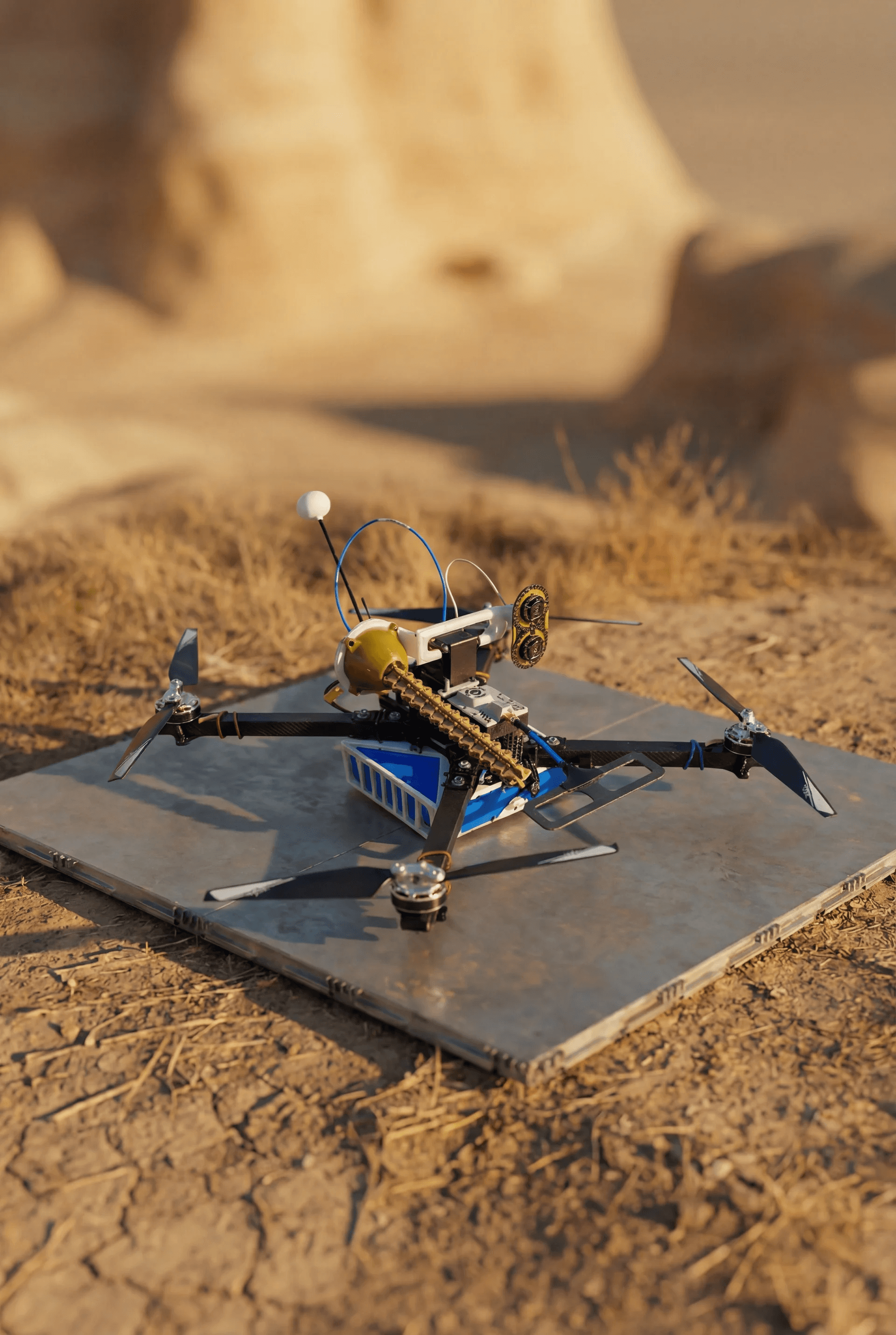
Military technology increasingly determines the outcomes of great power competition. Nations that lead in AI, space systems, and cyber capabilities will have decisive advantages in future conflicts.
The defense technology sector plays a critical role in maintaining strategic balance. Companies developing cutting-edge systems must navigate complex geopolitical considerations while advancing capabilities that preserve peace through strength.
Implications for Defense
This evolving landscape demands continuous adaptation. Military forces must prepare for a range of scenarios from high-intensity conventional conflict to gray zone operations that blur the line between peace and war.
Investment in research and development, maintenance of technological edge, and development of resilient supply chains will determine which nations can effectively defend their interests in the decades ahead.