Electronic Warfare
Hrets
Electronic warfare system for active suppression of UAV control, data transmission, and navigation channels, including FPV drones and Mavic-type quadcopters.
Testing our devices at a military training ground
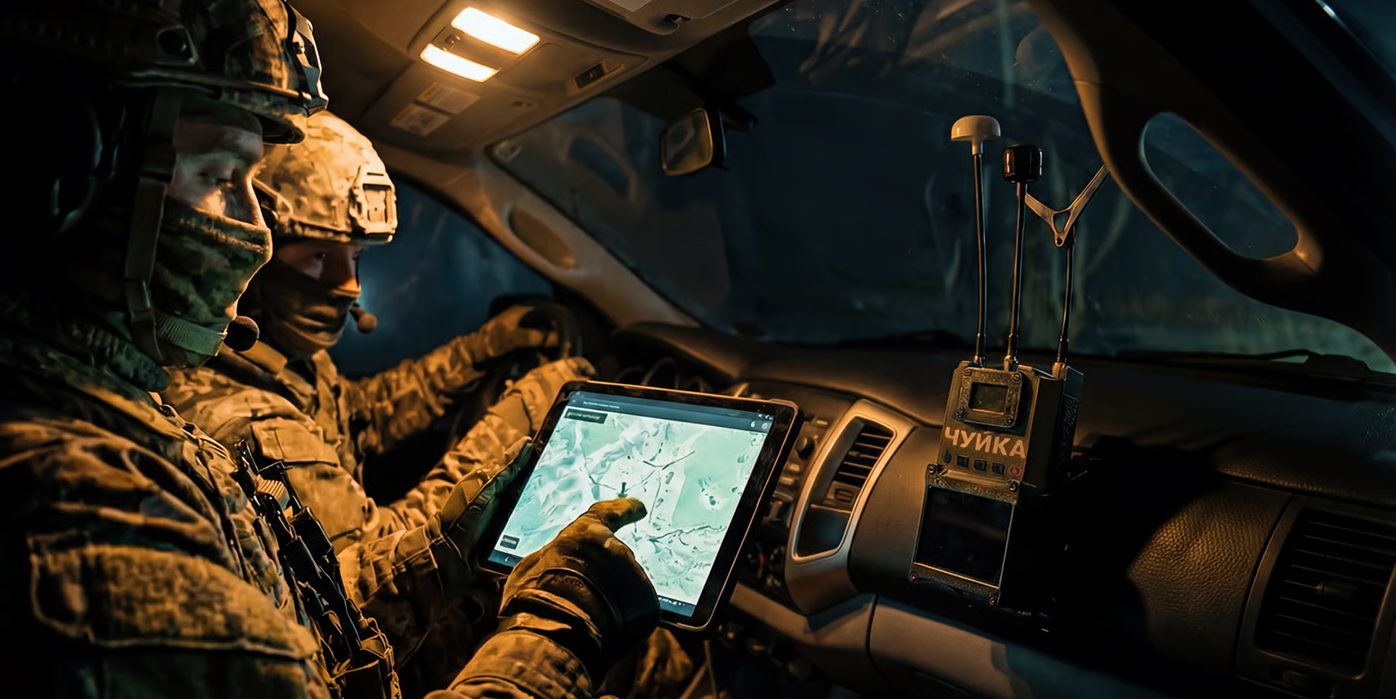
Testing our devices at a military training ground
Modification and technical characteristics
"Hrets XL" Modular EW System

"Hrets 4MC" EW Anti-Drop

"Hrets 5 UL" EW

"AntiSkid" EW Backpack

"Hrets 5ML" EW

"Hrets 4 MCO" EW

"Hrets 4G" Signal Suppressor

"Hrets 5MCO" EW

"Hrets 4M" EW

"Hrets 3M" EW

"Hrets" EW is an electronic warfare system designed for the active suppression of control, data transmission, and navigation channels of unmanned aerial vehicles, including FPV drones and Mavic-type quadcopters, across a wide operating frequency range.
The device generates radio-electronic interference within specified frequency bands, creating a field that blocks communication between the drone and its operator. As a result, the UAV loses stable control, which may lead to a forced landing, activation of the Return-to-Home (RTH) mode, or disruption of its mission. The system can operate in either selective suppression mode, targeting specific frequency bands, or in simultaneous mode with all active channels engaged, providing an extended protection zone and increased effectiveness by overlapping interference across multiple frequency ranges. The "Hrets" electronic warfare (EW) system is designed for stationary, vehicle-mounted, and mobile deployment. The system is used to protect military facilities, equipment, transport convoys, infrastructure, positions, and personnel, as well as to cover observation posts, evacuation routes, and field fortifications.
Key Features
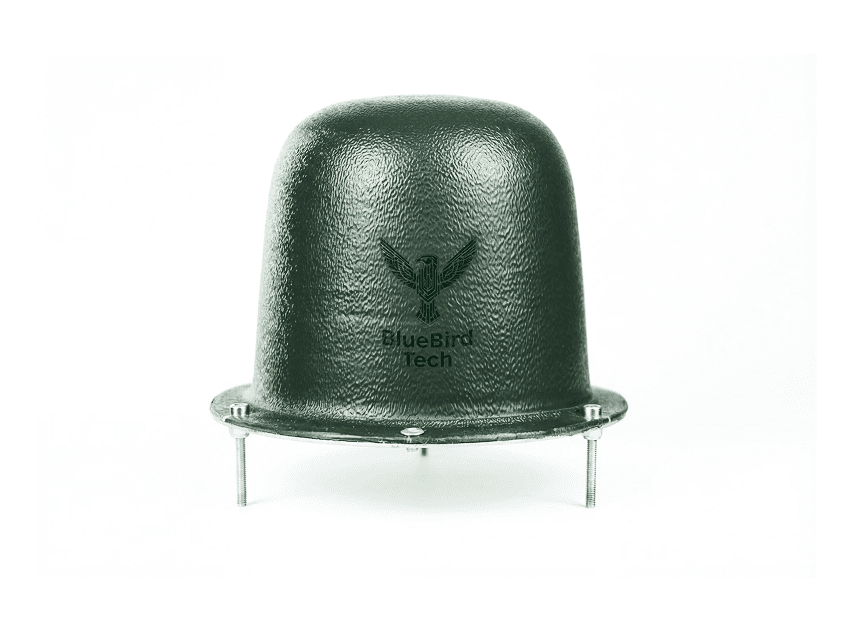
Antenna systems of various types (sector, quadrifilar, or helical) create either a directional or zonal radiation pattern, allowing interference to be effectively concentrated in areas where UAVs are likely to operate and increasing the neutralization range.
Antenna systems of various types (sector, quadrifilar, or helical) create either a directional or zonal radiation pattern, allowing interference to be effectively concentrated in areas where UAVs are likely to operate and increasing the neutralization range.
Technical characteristics
Antenna systems of various types (sector, quadrifilar, or helical) create either a directional or zonal radiation pattern, allowing interference to be effectively concentrated in areas where UAVs are likely to operate and increasing the neutralization range.
The active cooling system maintains a stable temperature for the electronic modules during prolonged operation and high power loads, preventing overheating and a decrease in emission efficiency.
The system's operating temperature range is from –30°C to +50°C, ensuring stable performance in cold, hot, and rapidly changing temperature conditions during field and mobile operations.
The housing, made of heat-dissipating materials with an IP44–IP55 protection rating, provides resistance to dust, moisture, and mechanical impacts during outdoor operation.
The control system is implemented through individual switches, buttons, or a remote with active channel indicators, allowing the operator to quickly activate the required interference bands and monitor the device's operation in real time.
Mounting elements, in the form of brackets or magnetic fasteners, allow for quick installation on vehicles, poles, or stationary positions, enabling rapid deployment of the system without the need for additional tools.
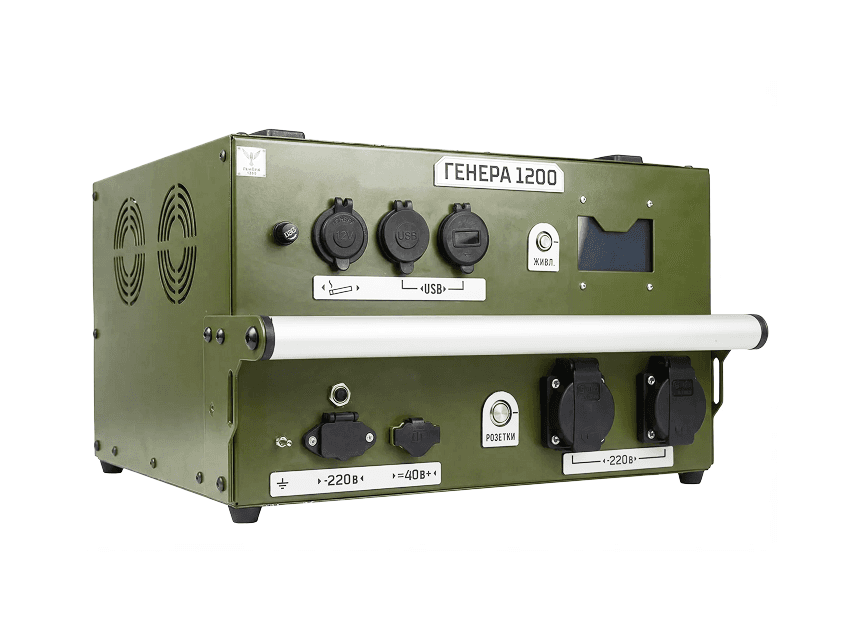
The power supply is designed to support connection to 220 V mains or to autonomous, onboard 20–36 V/28 V (depending on the model) sources, providing versatility for use in both stationary and mobile environments.
Technical characteristics
Antenna systems of various types (sector, quadrifilar, or helical) create either a directional or zonal radiation pattern, allowing interference to be effectively concentrated in areas where UAVs are likely to operate and increasing the neutralization range.
The active cooling system maintains a stable temperature for the electronic modules during prolonged operation and high power loads, preventing overheating and a decrease in emission efficiency.
The system's operating temperature range is from –30°C to +50°C, ensuring stable performance in cold, hot, and rapidly changing temperature conditions during field and mobile operations.
The housing, made of heat-dissipating materials with an IP44–IP55 protection rating, provides resistance to dust, moisture, and mechanical impacts during outdoor operation.
The control system is implemented through individual switches, buttons, or a remote with active channel indicators, allowing the operator to quickly activate the required interference bands and monitor the device's operation in real time.
Mounting elements, in the form of brackets or magnetic fasteners, allow for quick installation on vehicles, poles, or stationary positions, enabling rapid deployment of the system without the need for additional tools.
The power supply is designed to support connection to 220 V mains or to autonomous, onboard 20–36 V/28 V (depending on the model) sources, providing versatility for use in both stationary and mobile environments.