AI-powered drone swarms: how they work and change warfare and civilian technologies
Artificial intelligence is increasingly being integrated into unmanned systems, transforming not only the technical approaches to their use but also the very logic of modern operations — both military and civilian. One of the key directions of this development is drone swarms — networks of unmanned vehicles capable of operating in a coordinated, adaptive, and decentralized manner, effectively functioning as a single system with distributed “intelligence.”
Swarm technologies open up new possibilities for tasks where speed, scale, and coordination are critical: from search and rescue operations and critical infrastructure monitoring to agriculture, logistics, and environmental control.
What is a drone swarm, and why this technology has become relevant
A drone swarm is a group of autonomous or semi-autonomous unmanned vehicles that interact with each other as a single system to accomplish a shared mission. Unlike the traditional approach of individual control, each drone analyzes its environment, exchanges data, and makes local decisions. As a result, the swarm can quickly adapt, compensate for the loss of individual units, and continue the mission without critical dependence on a single control center.
The relevance of this technology is driven by a combination of factors: the declining cost of drones, advances in artificial intelligence algorithms, and the evolving nature of modern conflicts, in which unmanned systems have become a key tool. In this context, drone swarms represent a logical stage of evolution—they combine scale, speed, and the ability to operate effectively in dynamic environments.
Principles of drone swarm operation
Drone swarms operate on the principle of collective behavior, similar to a flock of birds or a colony of ants. Each unmanned vehicle follows basic rules — avoiding collisions, maintaining distance, coordinating movement, and responding to changes.
Coordination is achieved through algorithms that enable each drone to perform its assigned role at any given moment, whether it is acting as a reconnaissance drone, transmitting data, or adjusting its route. The system can modify its behavior in real time without restarting the mission, ensuring flexibility.
Modern swarms are primarily based on decentralized control: each drone operates autonomously, and the overall system remains functional even if individual units are lost. This makes it significantly more resilient compared to centralized models.
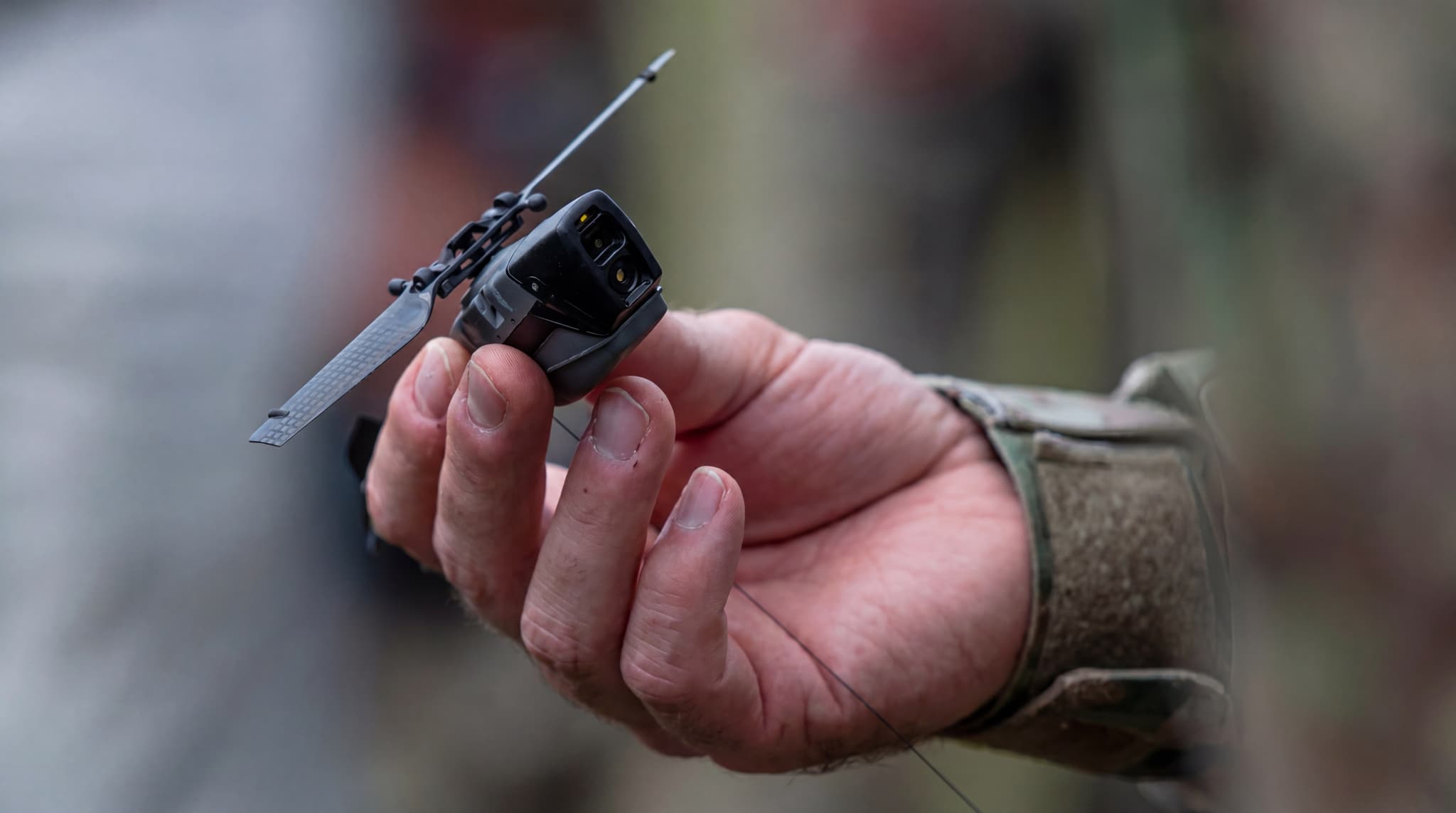
A crucial role is played by continuous data exchange through secure channels and network architectures. The combination of machine learning, computer vision, autonomous navigation, and advanced computing systems enables drones to analyze their environment and act according to the situation. Depending on the mission, swarm networks can incorporate different types of platforms, including military recon drones designed for intelligence-gathering tasks.
Applications of drone swarms
Drone swarms are used in both military and civilian sectors. In combat scenarios, they are deployed for reconnaissance, target detection, fire coordination, electronic warfare, and kamikaze drone operations, as well as for overwhelming air defense systems. Different platforms can perform different roles within a coordinated network, including Bebra UAV drones for reconnaissance and other unmanned missions.
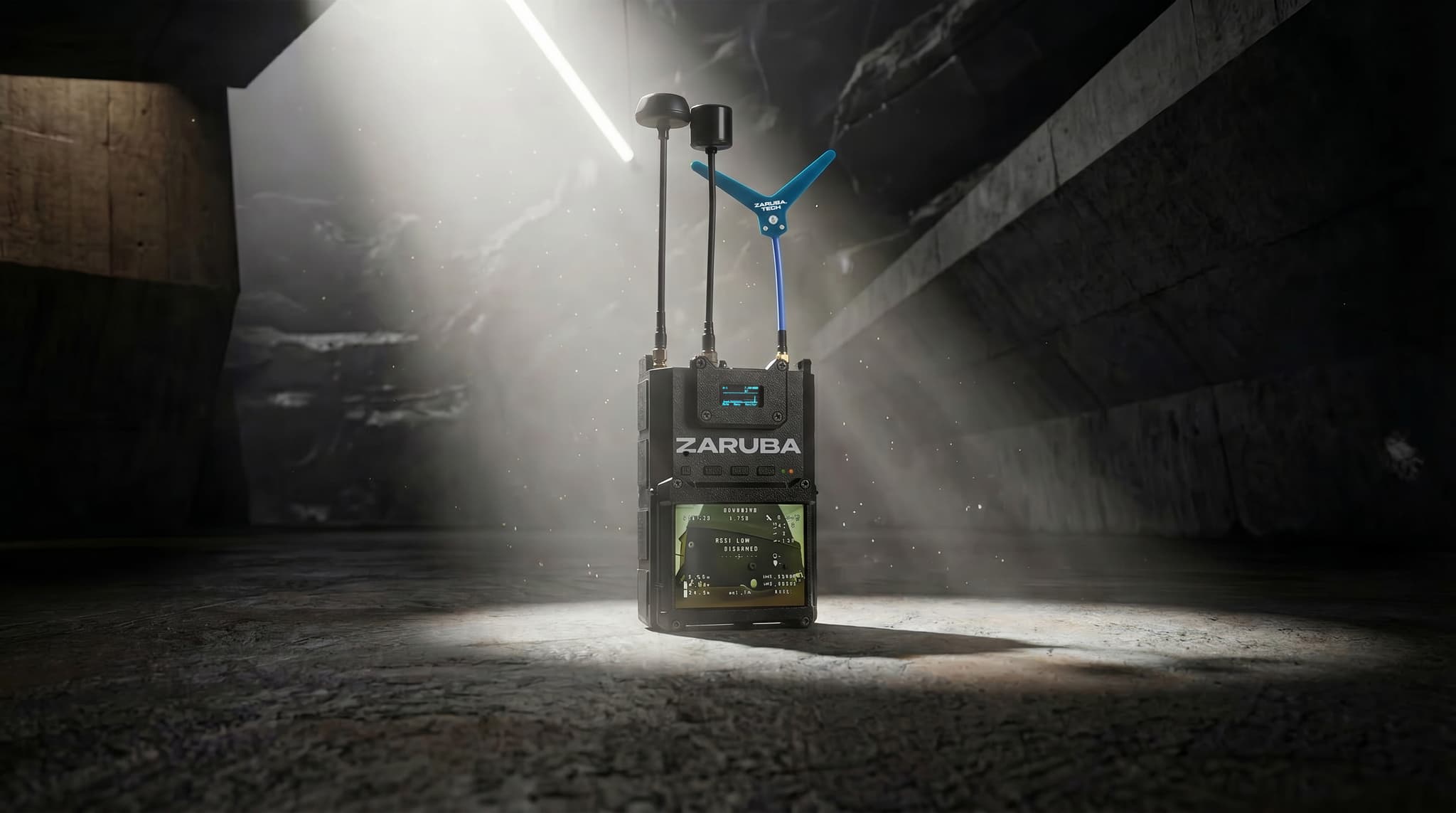
In the civilian sector, they are employed for search and rescue operations, environmental monitoring, agriculture, logistics, and other tasks where rapid coordination of a large number of platforms is essential. Individual platforms, such as a long-range FPV drone, can also complement these systems by providing extended-range capabilities for specific missions. Zaruba FPV drones represent another type of unmanned platform that can be used for specialized applications where maneuverability and flexibility are important.
Their key advantages are scalability, fault tolerance, and rapid task execution, which reduce risks to humans. However, these benefits come with challenges, including technical failures, cyber threats, and ethical concerns related to autonomous decision-making and control over such systems.
Global development and the future of swarm technologies
The development of swarm systems already has a pronounced global dimension: the USA is actively investing in autonomous platforms, China is rapidly advancing this field in both military and technological sectors, while the EU focuses on regulation and safety; Israel and Turkey also remain key players. At the same time, the international community is still shaping approaches to controlling such technologies, as debates over autonomous weapons and the role of AI in warfare continue, and no universal rules yet exist — heightening the risk of a new technological arms race.
Against this backdrop, drone swarms remain an emerging technology: in the future, their autonomy is expected to increase, and they will be integrated with other systems — from robotic platforms to urban infrastructure. However, alongside these advancements, there is a growing need for clear principles of accountability, safety, and international regulation.
Prospects and challenges of AI-powered drone swarms
AI-powered drone swarms are already shaping a new paradigm for the use of unmanned systems. They combine autonomy, scale, and the ability to operate as a single adaptive network, opening up extensive possibilities in both military and civilian sectors. These capabilities are supported by a growing ecosystem of unmanned platforms and related technologies, with a full product range available for different operational requirements.
At the same time, their development brings new challenges — ranging from technical and cybersecurity issues to ethical and legal concerns. In a global context, this makes swarm technologies not only a tool for innovation but also a factor in international competition.
The further adoption of such systems will depend on balancing technological progress, safety, and effective regulation, which will determine their role in future operations and everyday life.