The nature of warfare is undergoing a fundamental transformation. The conflicts of the 21st century bear little resemblance to the mass mobilizations and set-piece battles that defined previous eras.
The Rise of Asymmetric Warfare
Traditional military advantages no longer guarantee victory. Smaller forces equipped with advanced technology can challenge conventional armies in ways that were impossible just decades ago.
In modern warfare, the side with better information often defeats the side with more firepower.
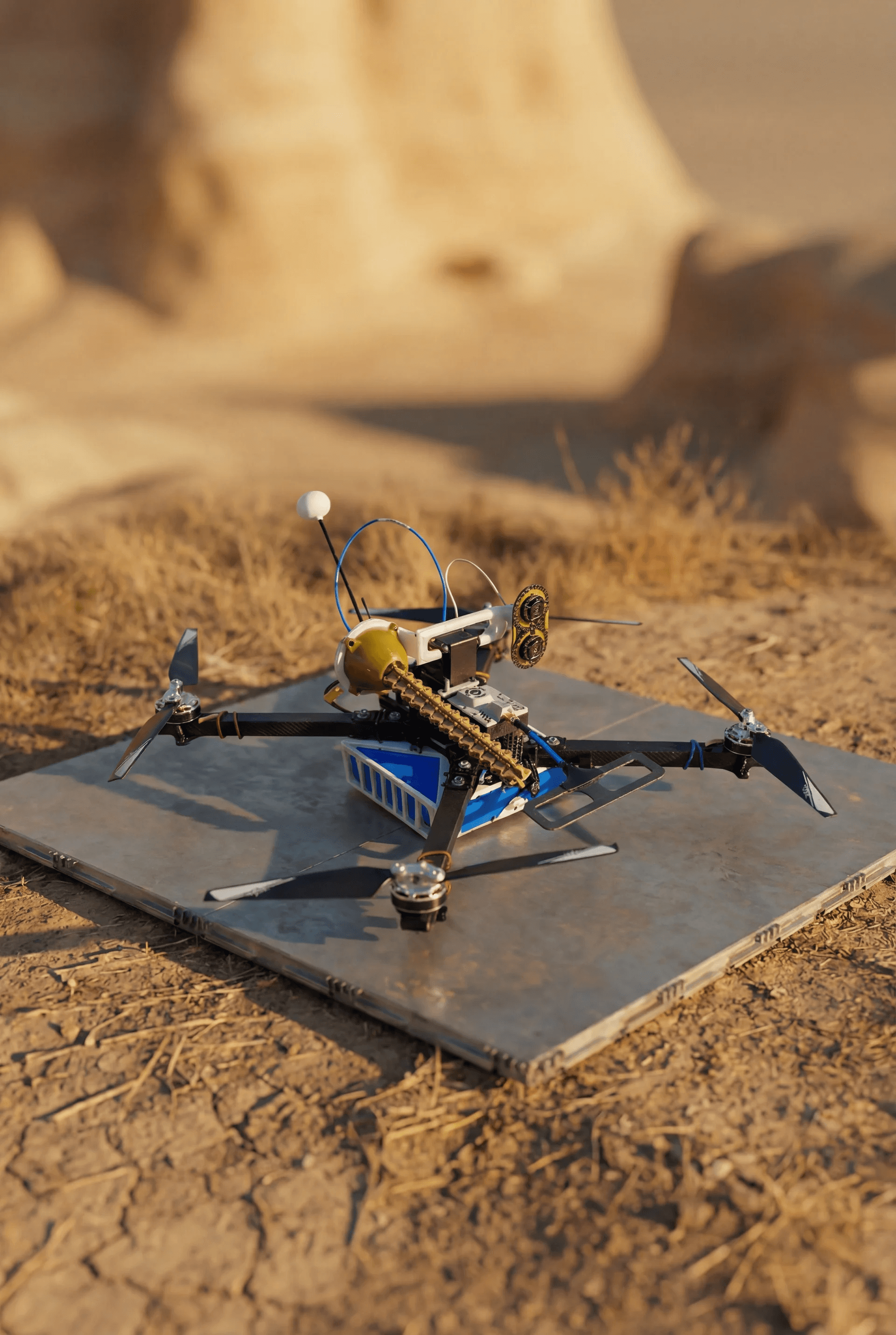
Drones, cyber weapons, and precision munitions have democratized access to military capabilities. A single operator can now deliver effects that previously required entire formations.
The Information Dimension
Information has become the critical resource of modern conflict. The ability to gather, process, and act on data faster than adversaries provides decisive advantages.
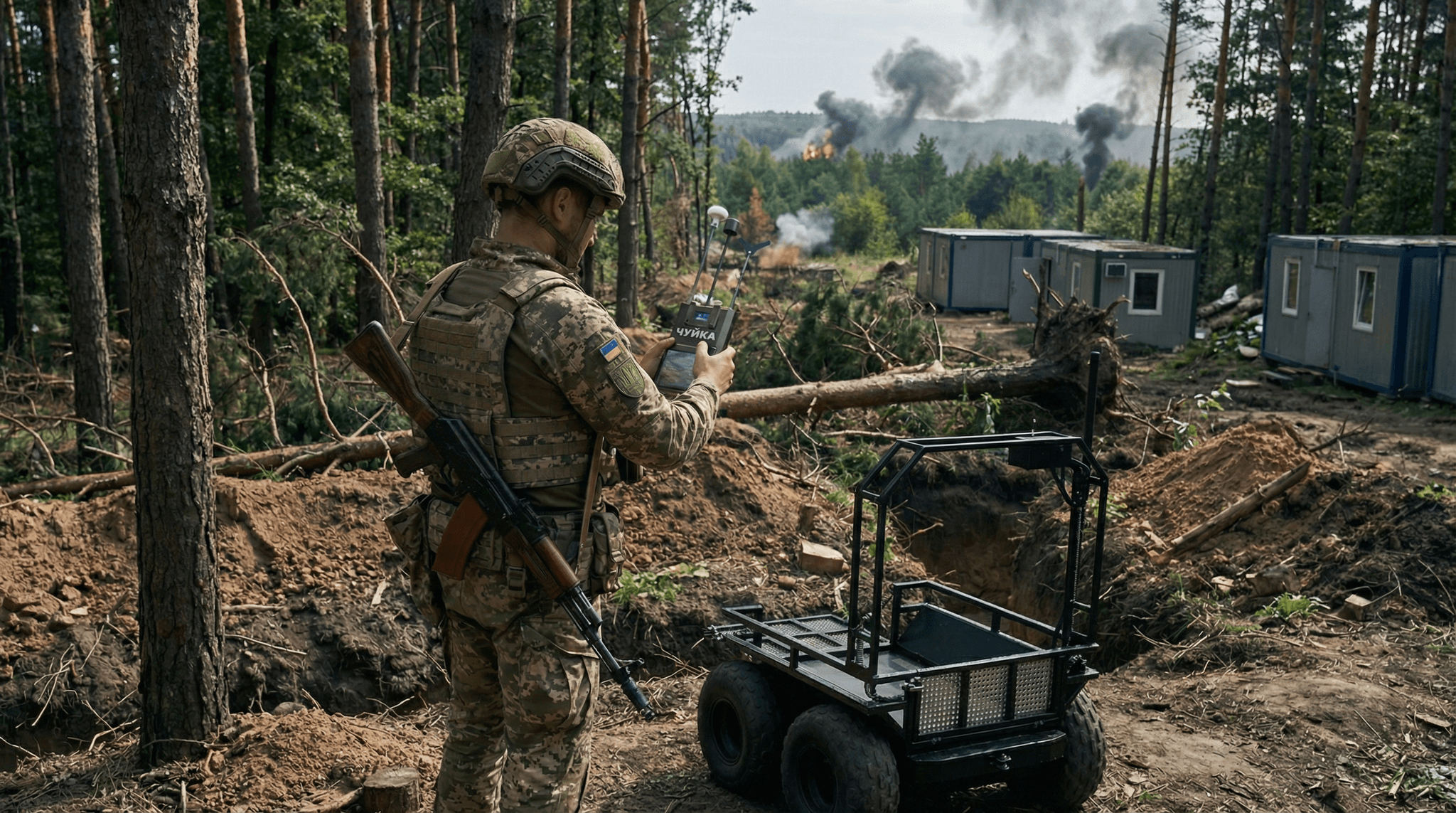
Real-time battlefield intelligence through drone surveillance
Electronic warfare to deny enemy communications
Cyber operations targeting critical infrastructure
Social media as a tool for influence operations
Lessons from Ukraine
The ongoing conflict in Ukraine has provided stark demonstrations of 21st century warfare principles. Commercial drones modified for combat operations have changed the calculus of armored warfare.
The conflict has demonstrated both the potential and limitations of advanced technology in warfare. Neither side has achieved the decisive victories that theorists predicted from technological superiority alone.
Future Implications
Military organizations worldwide are studying these lessons and adapting their doctrines accordingly. The integration of AI, autonomous systems, and networked operations will continue to reshape how wars are fought.
For defense technology companies, understanding these trends is essential for developing products that address real operational needs rather than theoretical capabilities.