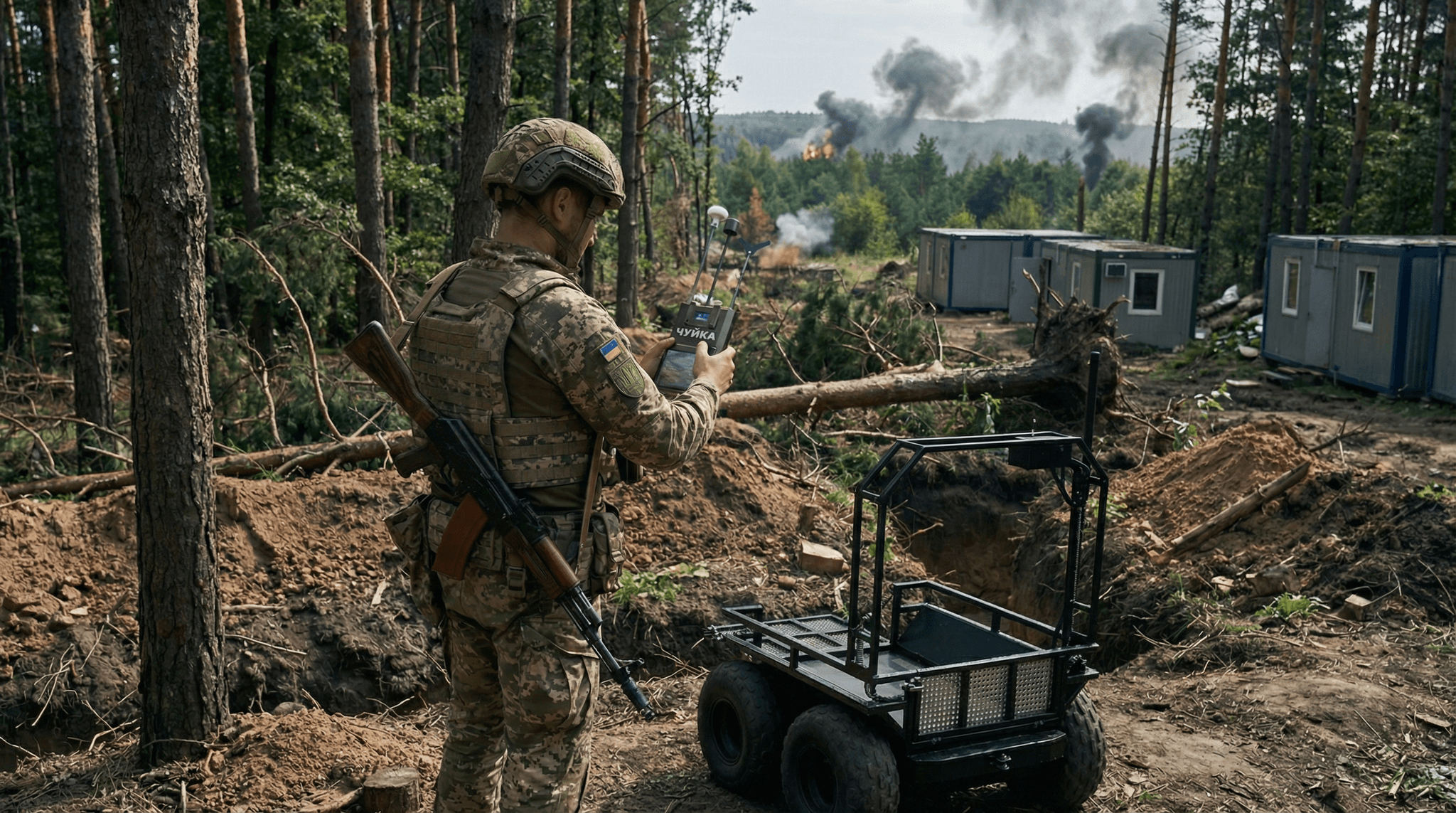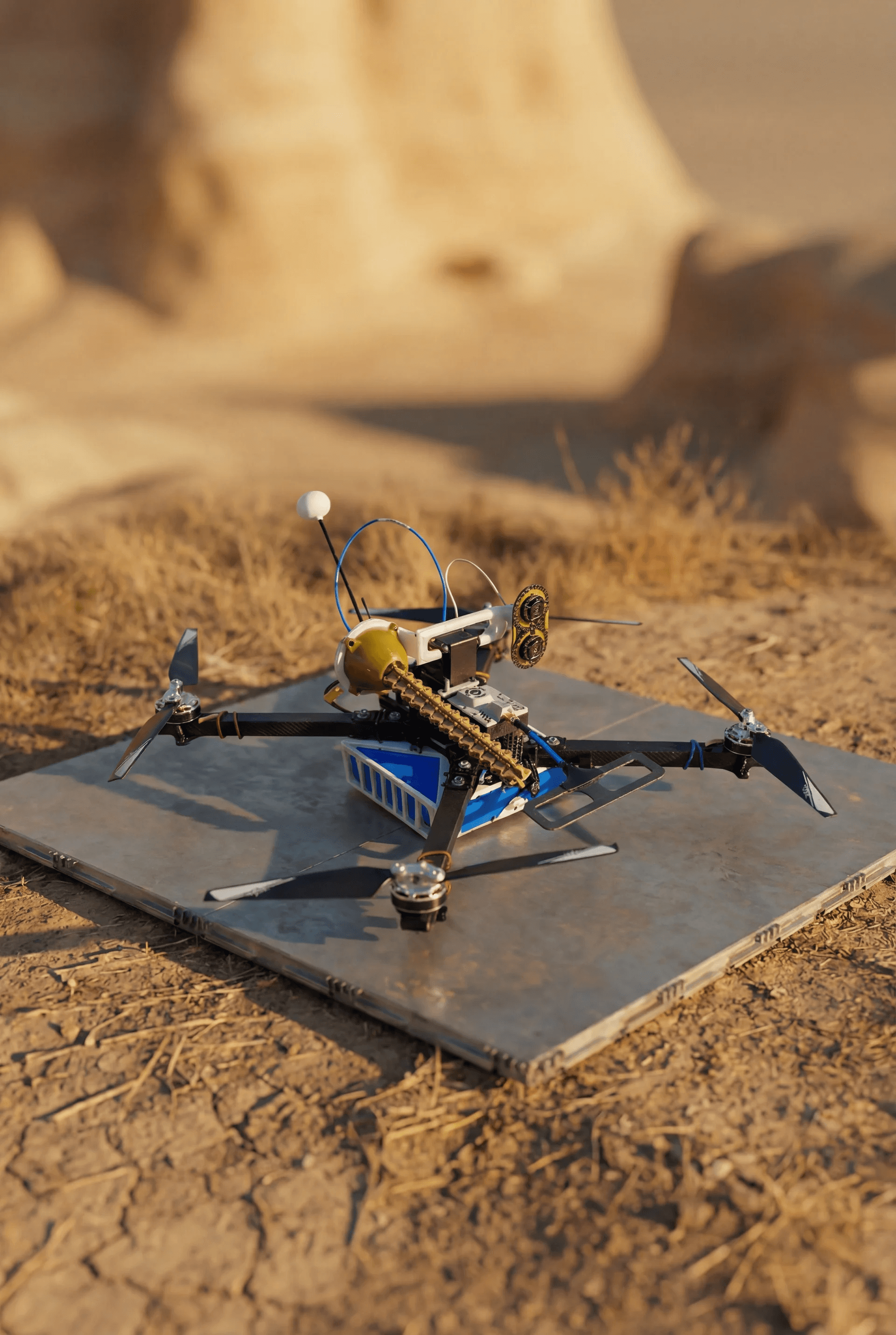
Drone swarm technology represents one of the most significant developments in military affairs since the introduction of precision-guided munitions. The ability to coordinate hundreds or thousands of unmanned vehicles creates capabilities that fundamentally change the nature of combat.
Swarm Intelligence
Unlike traditional drone operations controlled by individual pilots, swarms operate through distributed coordination algorithms. Each unit makes decisions based on local information and simple rules, yet the collective behavior produces sophisticated tactical effects.
A swarm is more than the sum of its parts. The whole exhibits capabilities that no individual unit possesses.
Tactical Applications
Drone swarms enable new operational concepts:
Saturation attacks that overwhelm air defenses
Wide-area surveillance and reconnaissance
Distributed electronic warfare
Logistics and resupply operations
Search and rescue missions
Technical Challenges
Developing effective swarm capabilities requires solving difficult technical problems:
Communication in contested electromagnetic environments
Coordination algorithms that scale to large numbers
Power and endurance limitations of small platforms
Navigation in GPS-denied conditions
Integration with human command structures
Counter-Swarm Defenses
The emergence of swarm threats has spurred development of counter-technologies. Directed energy weapons, electronic warfare systems, and counter-swarm drones are all being developed to address this new challenge.
The competition between swarm capabilities and counter-swarm defenses will shape military technology development for years to come. Companies that can deliver effective solutions in either domain will play critical roles in future defense systems.